Govt dept busy with plans to improve water supply
"Out of the three metros in Gauteng, Tshwane receives the least amount of bulk water even though it is the largest city in the province in terms of geographical size."
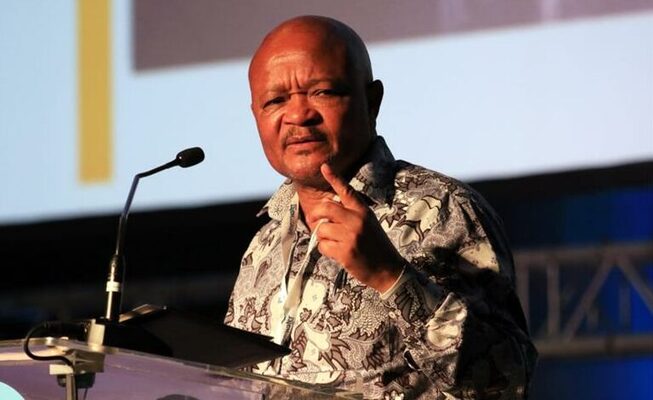
The Department of Water and Sanitation is working on a plan to improve water supply to provinces, including Gauteng, it has revealed.
Water and sanitation minister Senzo Mchunu revealed the plan during a virtual water and sanitation portfolio committee meeting on January 31.
He said the objective of the reconfiguration was to:
– fast-track water supply and sanitation services- address transformation problems
– increase water access to unserviced areas and
– enhance market capitalisation for infrastructure projects.
“Consultations with the affected stakeholders are ongoing,” he said.
“A Gazette notice for public comments has been published and [the comment period] closed on January, 27.”
He said the reconfiguration of water boards would ensure that the ever-increasing demand for services was being met.
“The reality is that the expenditure to implement projects and the demand for services is too high yet, the delivery by government institutions is too low and we need to fix this as a matter of urgency.”
He said the reconfiguration of the water boards was a resolution taken at a national water and sanitation summit last year.
Mchunu reiterated that reconfiguration would not result in job losses.
“It is only meant to strengthen capacity, improve institutional efficiencies and enable water boards to better support water services authorities.”
Recently Rand Water installed generators at some of its sites to reduce the impact of load-shedding on the water supply to municipalities.
Spokesperson Makenosi Maroo said the generator capacity will, unfortunately, not cover all Rand Water sites.
“Power outages remain one of the biggest threats to our networks as it affects continuous water supply to municipalities.”
Tshwane mayor Randall Williams this week said his metro planned to ask Rand Water for more water to cope with water demand and consumption.
“Out of the three metros in Gauteng, Tshwane receives the least amount of bulk water. This is a matter which we intend to interrogate further particularly because Tshwane is the largest city in the province in terms of geographical size. It also has a significant manufacturing sector, which drives water consumption.”
ALSO READ: Three to appear in court for possession of housebreaking tools
Do you have more information about the story?
Please send us an email to editorial@rekord.co.za or phone us on 083 625 4114.
For free breaking and community news, visit Rekord’s websites: Rekord East
For more news and interesting articles, like Rekord on Facebook, follow us on Twitter or Instagram