Protection of Pretoria biodiversity hotspots tightens
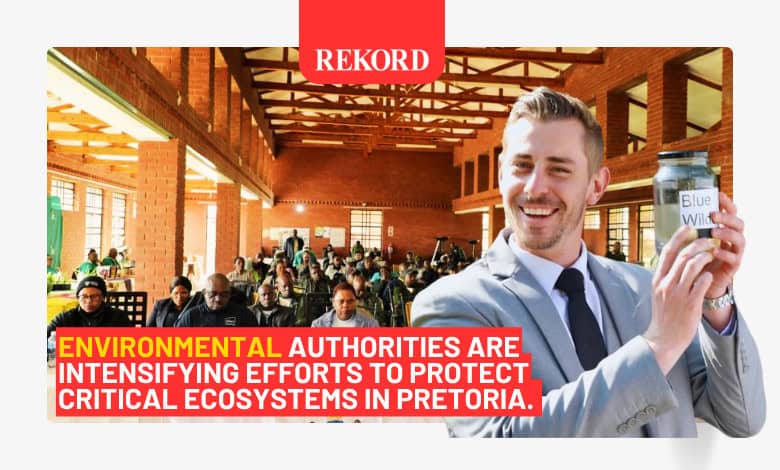
Environmental authorities are intensifying efforts to protect critical ecosystems in Pretoria. From combating invasive species and illegal dumping to preserving biodiversity corridors amid rapid urban growth, the province is focusing on local action to safeguard natural heritage and strengthen climate resilience.
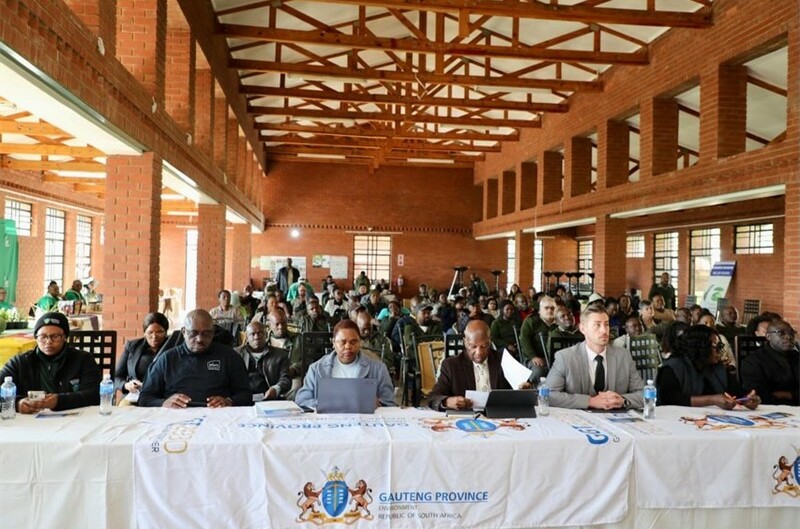
The Gauteng Department of Environment says it is strengthening protections for critical biodiversity areas in Pretoria as rapid urban development, invasive species, pollution and illegal dumping are increasing pressure on the province’s remaining natural habitats.
Gauteng PA MEC for Environment Ewan Botha said the province is using its Gauteng Conservation Plan Version 4.0 to identify environmentally sensitive areas that require stricter protection from development.
Botha spoke at Gauteng’s International Day for Biological Diversity commemoration at the Roodeplaat Youth Centre in Pretoria North.
The announcement comes amid growing concerns from residents and environmental groups over the expansion of housing estates, commercial developments and infrastructure projects in eastern and northern Pretoria – areas that contain important ecological corridors and wetlands.
Botha told Rekord the conservation plan identifies areas that are essential for maintaining ecosystem health, wildlife movement and climate resilience.
“These corridors will either be classified as Ecological Support Areas or Critical Biodiversity Areas. Main pinch points within the corridor network will be classified as Critical Biodiversity Areas, providing us information on where we should focus our protection strategies,” he said.
The classification is expected to influence future development applications by highlighting environmentally sensitive areas that should be avoided during planning and environmental impact assessment processes.

He pointed out that at the same time, provincial authorities are stepping up interventions at Roodeplaat Nature Reserve and surrounding wetland systems, which continue to face threats from illegal dumping, pollution and environmental degradation.
“The department implements compliance monitoring and enforcement interventions, environmental awareness programmes and co-ordinated intergovernmental engagements aimed at preventing environmental degradation, unlawful waste activities and pollution incidents that may negatively impact sensitive ecosystems and surrounding communities,” said Botha.
He explained that environmental enforcement measures may be instituted where violations of environmental legislation are identified.
The province is also intensifying efforts to combat invasive alien plant species, which have become a growing threat to biodiversity in several conservation areas.
Through partnerships with the Department of Forestry, Fisheries and the Environment and the Tshwane metro, the department is implementing the Working for Water Programme across protected areas, including Roodeplaat and Leeuwfontein nature reserves north of Pretoria.
Targeted clearing operations are focusing on invasive species such as black wattle and pompom weed, while a dedicated project is underway to remove water hyacinth from Roodeplaat Dam.
Botha warned that uncontrolled water hyacinth infestations can severely impact water quality, aquatic biodiversity and oxygen levels within the dam ecosystem.
Climate change remains another major concern for Botha. He said provincial climate projections indicate that Gauteng is expected to experience higher temperatures and longer dry periods in the coming decades, placing additional stress on biodiversity and natural ecosystems.
“The resultant effects on biodiversity are loss and changes to habitats, degradation and changes to vegetation. There is also a threat to wetlands and water ecosystems,” he said.
The department is also working with conservation organisations and research institutions to monitor threatened species and biodiversity trends across the province.
Among these initiatives is a partnership with the South African National Biodiversity Institute through the Custodians of Rare and Endangered Wildflowers programme, which tracks vulnerable plant species in Gauteng.
Illegal dumping and unlawful occupation of environmentally sensitive land remain ongoing challenges throughout Pretoria, prompting closer co-operation between environmental authorities, municipalities and law enforcement agencies.
Looking ahead, Botha urged developers to incorporate biodiversity considerations into planning processes and avoid wetlands, ecological corridors and other sensitive habitats wherever possible.
ALSO READ: Minister: Conservation remains priority at Pretoria Botanical Garden
Do you have more information about the story?
Please send us an email to bennittb@rekord.co.za or phone us on 083 625 4114.
For free breaking and community news, visit Rekord’s websites: Rekord East
For more news and interesting articles, like Rekord on Facebook, follow us on Twitter or Instagram or TikTok or WhatsApp Channel