Cholera outbreak: No Pretoria cases, Tshwane closely monitoring situation
Infection is caused by drinking contaminated water or consuming contaminated food.
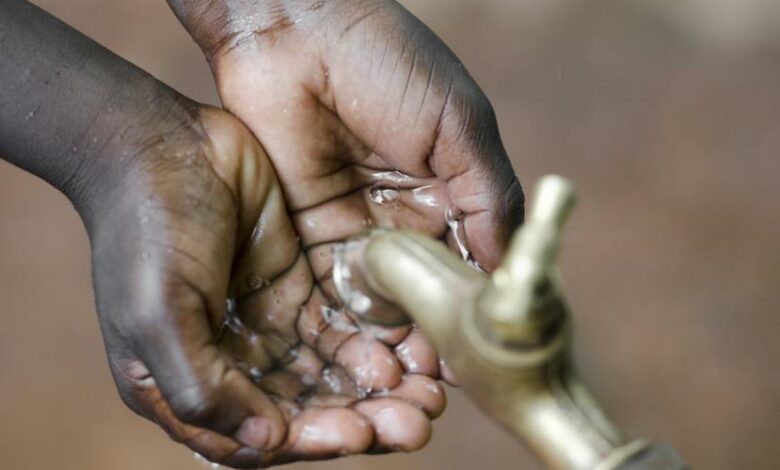
While no cases of cholera have been confirmed in Pretoria, the Tshwane metro’s health department is closely monitoring the current outbreak that has raised concern after three cases were reported in Johannesburg.
Rina Marx, MMC for Health, said the confirmed cases had a recent travel history to Malawi, a cholera-endemic country.
Cholera is an intestinal bacterial infection which can cause severe diarrhoea, nausea, vomiting, cramps and dehydration.
Infection is caused by drinking contaminated water or consuming contaminated food.
Symptoms usually appear within two or three days of exposure to the bacteria.
“Since January 2022, 14 African countries have reported cholera outbreaks and as of January 31, 2023, three countries in the Southern African region, namely Malawi, Zambia and Mozambique, have reported ongoing outbreaks.
“It is important to note that not all people who are infected develop symptoms.
“However, according to the World Health Organization, cholera remains a global threat to public health. “Research shows that there are 1,3 million to 4 million cases of cholera each year,” she said.
Marx added that in terms of Tshwane’s response to mitigate the spread of cholera, they have dedicated teams that undertake water sampling once a month from streams, rivers and dams across all seven regions of Tshwane.
“So far, all samples taken in Tshwane have tested negative for cholera.
“However, our health care providers are on standby to respond to all suspected cases, should they arise.
“If detected early, cholera is treatable through oral or intravenous hydration as well as antibiotics for severely ill patients.”
She highlighted that prevention is always better than cure, and encouraged an improved hygiene standard, like ensuring that hands are washed before eating and preparing food, and after going to the toilet and changing nappies, food is cooked thoroughly and ensuring fruit and vegetables are washed with safe, clean water.
Cholera information pamphlets are available at public health facilities.
Do you have more information about the story?
Please send us an email to editorial@rekord.co.za or phone us on 083 625 4114.
For free breaking and community news, visit Rekord’s websites: Rekord East
For more news and interesting articles, like Rekord on Facebook, follow us on Twitter or Instagram