Sosh mother pleads with government to create more awareness of autism
“People think that my son is a violent person but he just has difficulty expressing himself.”
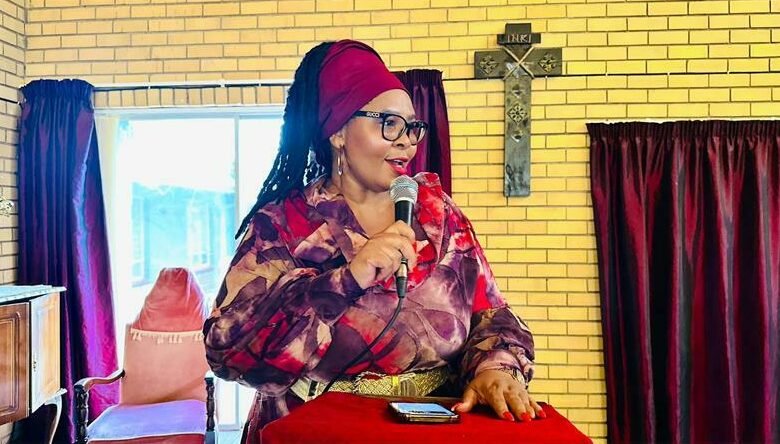
A 38-year-old mother from Soshanguve said the government was not doing enough to teach teachers and the community about children who suffer from autism.
Sunday, April 2, was World Autism Awareness Day.
“People think that my son, Andiswa, is a violent person but he just has difficulty expressing himself,” Yonela Bulube said.
“I am grateful now that some of the neighbours try to understand him, even his peers are slowly understanding him.”
She said most people thought that autism was some kind of a disease that can be cured, but she said that was not the case..
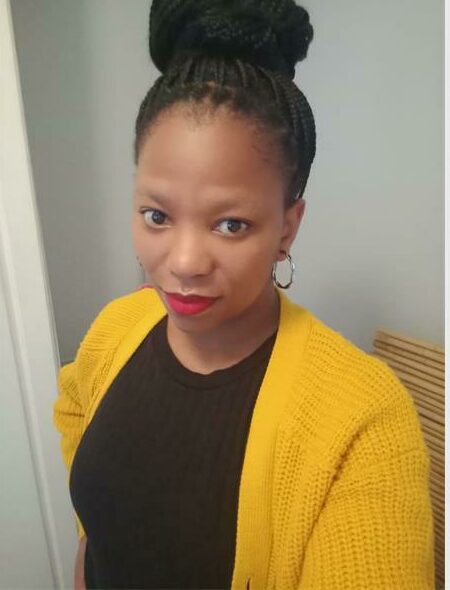
Bulube told Rekord that autism was a neurological condition that affected communication behaviour and a complex group of neurodevelopmental disabilities.
In addition, Bulube pleaded with the government to do more in making sure that more people were informed of such things, as she also wasn’t aware of it herself until her son was diagnosed with it.
Bulube’s plea comes in the wake of the commemoration of World Autism Awareness Day by the Gauteng MEC for Health and Wellness, Nomantu Nkomo-Ralehoko.
During the proceedings over the weekend, Nkomo-Ralehoko emphasised the need to establish more centres so that proper support is given to children with autism and their families.
“In my interactions with families of children who have been diagnosed with ASD, Down’s syndrome and cerebral palsy it became clear to me that we need to improve our efforts as government to ensure that the little ones get the best care there is as this improves their chances of leading an independent life.
“It is very important that we increase the establishment of centres of excellence at our health facilities so that families can be closer to the services and support needed,” said the MEC.
According to the department, 1 in 160 children is born with autism spectrum disorder (ASD) which tends to persist into adolescence and adulthood.
The department said it has established centres to ensure comprehensive care and support for children with special needs.
“These community-based centres are a one-stop clinic for children with neurological and developmental disorders.
“The centres offer a multidisciplinary approach, provided by a multitude of role players,” the department said.
These include physiotherapy, occupational therapy, dietetics, speech and audiology, psychology, social work, pharmacy, medical officers, family physicians and dental practitioners.
Do you have more information about the story?
Please send us an email to editorial@rekord.co.za or phone us on 083 625 4114.
For free breaking and community news, visit Rekord’s websites: Rekord East
For more news and interesting articles, like Rekord on Facebook, follow us on Twitter or Instagram