Proposed tariff increases not much help to Tshwane’s lagging coffers
According to Tshwane Finance MMC Peter Sutton even if the budget was implemented, increases and tariffs approved and all parties kept to their spending obligations, Tshwane’s cash liquidity challenges would not be overcome.
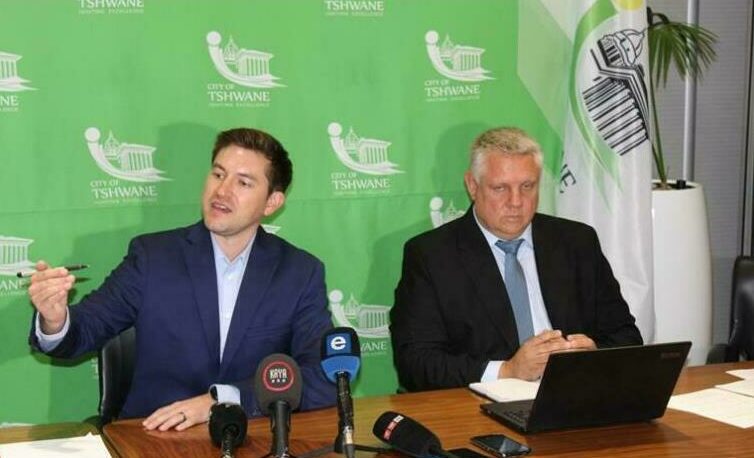
Proposed tariff increases might not be enough to pull the municipality out of its financial morass, the Tshwane metro has warned.
This was as residents must brace for an 18% electricity, a 9.2% water and sanitation, and a 5% property rate increase in July.
The increases are part of the metro’s 2023/24 draft medium-term revenue and expenditure framework proposals.
The metro has since embarked on public engagement for the consideration of proposals increasing tariffs on electricity, water and other core services.
The service charges for electricity, water, sanitation and refuse removal are estimated at over R20-billion.
“The City, however, remains in a cash liquidity challenge,” said finance MMC Peter Sutton.
“This budget, if implemented, and all parties keeping their obligation will not fix this liquidity problem.”
He said the City needed at least three years to “holistically” fix the liquidity challenge.
This would be done by increasing the revenue base and reducing fixed and semi-fixed costs.
The proposed tariffs are at the backbone of revenue collection having not recovered to pre-Covid levels, while expenditure has increased due to tough economic conditions and poor governance decisions.
The poor governance decisions have seen households move further off-grid.
The proposed electricity tariff increases are linked to the recently approved tax by the National Energy Regulator of South Africa (Nersa) to Eskom, while water taxes were linked to bulk purchases from Rand Water.
Before the start of the upcoming financial year, Tshwane recently tabled to spend a budget of R44.7-billion consisting of an operating budget of R44.5-billion.
Service charges related to electricity, water, sanitation and refuse removal constitute the biggest component of the revenue basket at R25.9 billion for the 2023/24 financial year.
Tshwane also expects to generate R9.6-billion from property rates in the financial year.
Tshwane metro said its challenge, however, remained on ensuring that the proposed tariffs were affordable to residents, whilst ensuring that the metro could recover the cost of rendering services.
According to Sutton, the metro had not implemented any profits on the increase and it only had until June 30 to adopt the budget.
“Tshwane adds a zero increase on top of this,” he said.
“If Nersa lowers the 18% increase to, say, 15% the City will align with that.”
Sutton said, however, the increases would not be expected to strengthen the metro’s fight in maintaining a healthy financial position.
In November 2022, the Tshwane metro’s debtors’ book stood at R17.2-billion.
Residential debt remains a big concern as 58.2% of the debt is owed by residential customers.
On March16 the debtor’s book worsened to R20.8-billion.
Sutton said it was expected for Tshwane’s financial health to only improve by 2026 as it had to pay operational expenses while servicing debt obligations.
Mayor Cilliers Brink recently said the metro could not continue the status quo of expecting consumers to pay above inflation and cost-related increases.
“Tshwane will need to make its own set of changes to adapt to changing circumstances.”
He said the continued reliance of Tshwane on the much-needed supply of electricity was financially exhausting due to constant load-shedding damaging the distribution network.
“Tshwane also loses a bigger and bigger portion of the electricity distribution business as more and more households and businesses go off-grid.
“In practical terms, load-shedding leads to breakdowns; not just in the electricity network, but in water and sanitation services.”
Do you have more information about the story?
Please send us an email to editorial@rekord.co.za or phone us on 083 625 4114.
For free breaking and community news, visit Rekord’s websites: Rekord East
For more news and interesting articles, like Rekord on Facebook, follow us on Twitter or Instagram