Tshwane not in hurry to bite at Eskom debt relief scheme
The Tshwane metro is taking a look before you leap approach to a proposal that could improve its debt to Eskom, it says.
The Tshwane metro is taking a look before you leap approach to a proposal that could improve its debt to Eskom, it says.
Finance minister Enoch Godongwana recently proposed that the power utility receive R254-billion in debt relief over the next three years.
This was to cover the R306-billion municipalities owed the power utility as of December 2022.
But the metro says it will not hastily take a bite at the deal that would result in some of its debt to Eskom being written off due to several constraining concerns.
The debt relief package enforces strict conditions on municipalities such as ensuring that revenue base collection for water and electricity is maintained and spending patterns are aligned to collection levels.
It also means that financial health must be restored before borrowing and municipal funds are strictly focused on the delivery of core basic services.
If a municipality fails to meet any of the conditions during the agreed period, the benefits of the scheme will immediately cease.
Eskom will be obliged to implement its credit control and debt management policy on the defaulting municipality
The municipality would immediately be required to Eskom arrears including interest and penalties. Eskom may then resume legal proceedings against the municipality to recoup debt, interest and penalties.
National Treasury could also further institute financial misconduct and/or criminal proceedings against any official responsible for the municipality failing to meet the conditions due to a lack of transparency and expenditure control.
Tshwane spokesperson Lindela Mashigo said “the metro has not applied yet” because of concern that the package would put it at risk of losing its National Energy Regulator SA (Nersa) licence to join Eskom’s distribution network.
Tshwane’s concerns about the scheme’s conditions are that Tshwane will not be able to maintain its current Eskom bill.
It is also worried that the package limits its ability to borrow funds for three years and that Nersa can unilaterally revoke its license.
“Tshwane is reviewing the conditions attached to the relief and will submit an application in due course,” Mashigo said.
On April 21, the municipality owed Eskom more than R1-billion.
Tshwane has battled to pay Eskom in full over the years, mainly due to poor revenue collection, and unplanned operational costs amongst others.
Eskom previously expressed dissatisfaction with Tshwane’s erratic payment.
According to Eskom, Tshwane had entered into a payment arrangement yet would partially honour its financial obligations.
“The metro is still failing to honour the payments of the accounts when due, which has the risk of compounding the overdue debt to unmanageable proportions.”
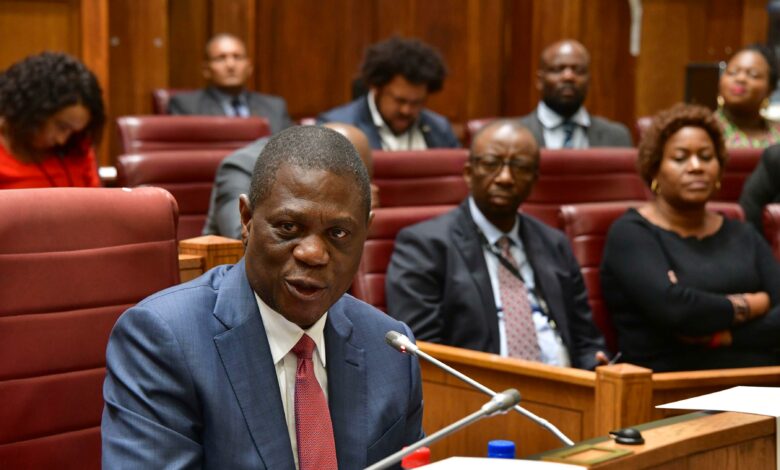
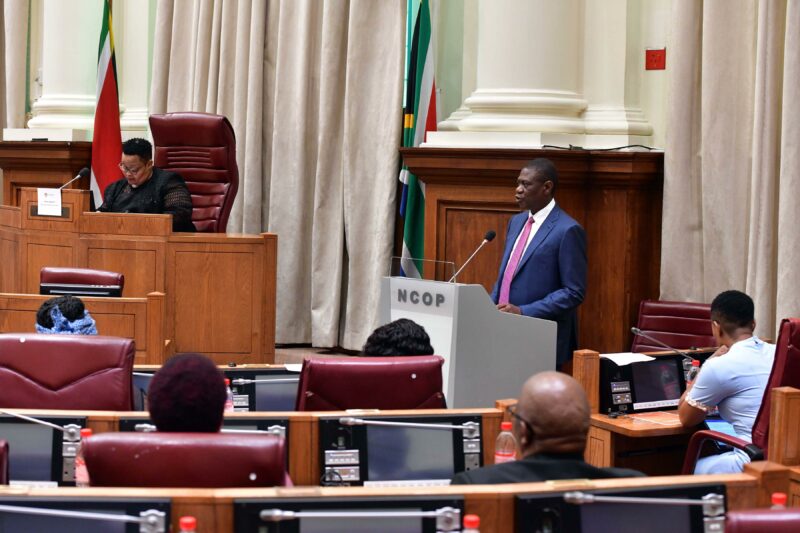
Deputy President Paul Mashatile recently said the Department of Cooperative Governance and Traditional Affairs, National Treasury and other departments were helping municipalities pay Eskom what they owed to ensure that they delivered critical services.
“At the end of December 2022, municipalities owed Eskom about R56.3-billion.
“The debt is rising,” said Mashatile.
He said the government had introduced the debt relief package to improve Eskom’s balance sheet.
“As a government, we recognise that debt relief alone will not return Eskom to its financial sustainability.
“A key assumption considered in the debt-relief determination is the implementation of the recent tariff increase approved by the regulator.
“The increases are 18.65% in 2023/24, and 12.74% in 2024/25 financial years,” said Mashatile.
“Without these increases, the debt-relief arrangement is not sustainable.”
The South African Local Government Association (Salga) recently advocated for friendlier package conditions for municipalities.
It called on national and provincial treasuries to give them sufficient time to meet the “burdensome conditions”.
Salga also proposed that the package incorporates the government grant system to allow municipalities to repair the infrastructure damaged or vandalised as a result of load-shedding.
“The relief plan should also take into consideration the enormous impact load-shedding has on municipal revenue and expenditure, and the resultant challenges municipalities will face in tabling a funded budget.
“Salga further does not support the voluntary revocation by municipalities of their distribution licensee [status] if they are unable to meet the debt relief conditions.”
Do you have more information about the story?
Please send us an email to editorial@rekord.co.za or phone us on 083 625 4114.
For free breaking and community news, visit Rekord’s websites: Rekord East
For more news and interesting articles, like Rekord on Facebook, follow us on Twitter or Instagram