KNP incorporates tech in fight against poaching
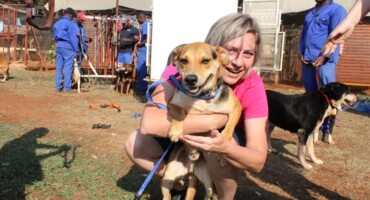
Other additions to the park include K-9 units fighting poaching remote surveillance.

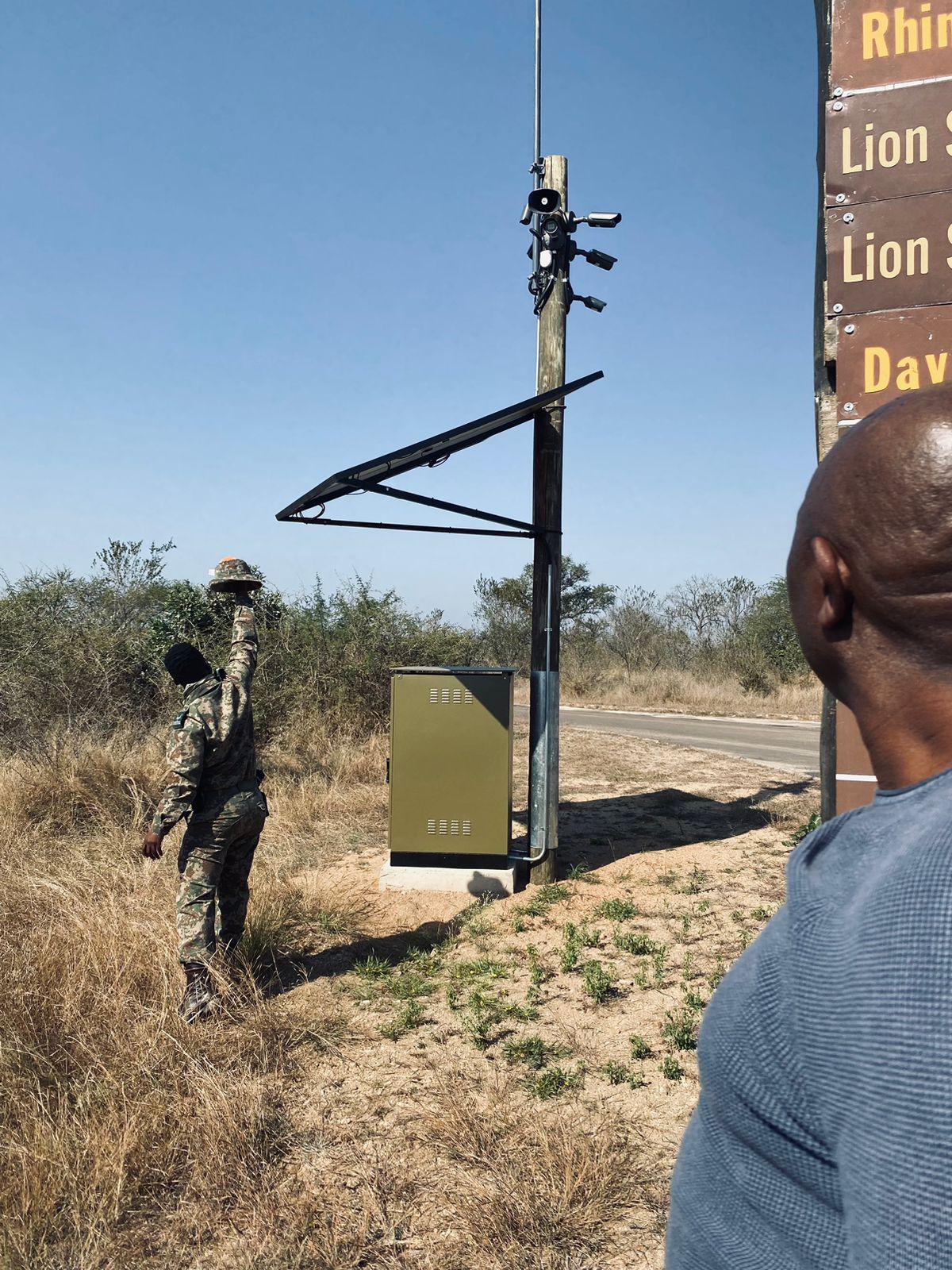
Solar powered hubs, cameras and alarm speakers are just some of the few modern technologies erected in the Kruger national park’s (KNP) Skukuza campsites to bolster the fight against theft, poaching and other crimes.
KNP has incorporated modern technology into its vast terrain ravaged with smugglers and poachers among other law breakers.
The relentless rhino poaching for a span of 10 years had caused the rhino population in the KNP to decline from about 10 000 animals in 2008 to about 2 800 animals in 2021.
The KNP reported that in the 2020 calendar year, it lost 245 rhino to poaching while about 329 were attacked and lost in 2019.
SANParks had also launched the process of dehorning in March 2021 as a bid to disrupt poaching activities, however, the exercise has proven costly at amounts between R10 000 and R15 000 per animal according to its 2020/21 report.
The bulk of the rhino poaching occurred more in the southern KNP which has been facing severe pressure with attacks.
The cameras, vehicle recognition devices and other tools have recently been strategically set up near intensive protection zones (IPZ) which cover nine types of landscapes in the southern KNP site. The site also suffers the greatest human incursion and poaching rates due to the rhino densities and intense human settlement.
The KNP has since installed three cameras, with 12 in total planned for installation to fight poaching and vehicle smuggling, as well as dogs to drive up the arrest of poachers.
Sandra Sterling, at the mission area joint operations centre, said these measures yielded success and KNP security was now better equipped to protect the park.
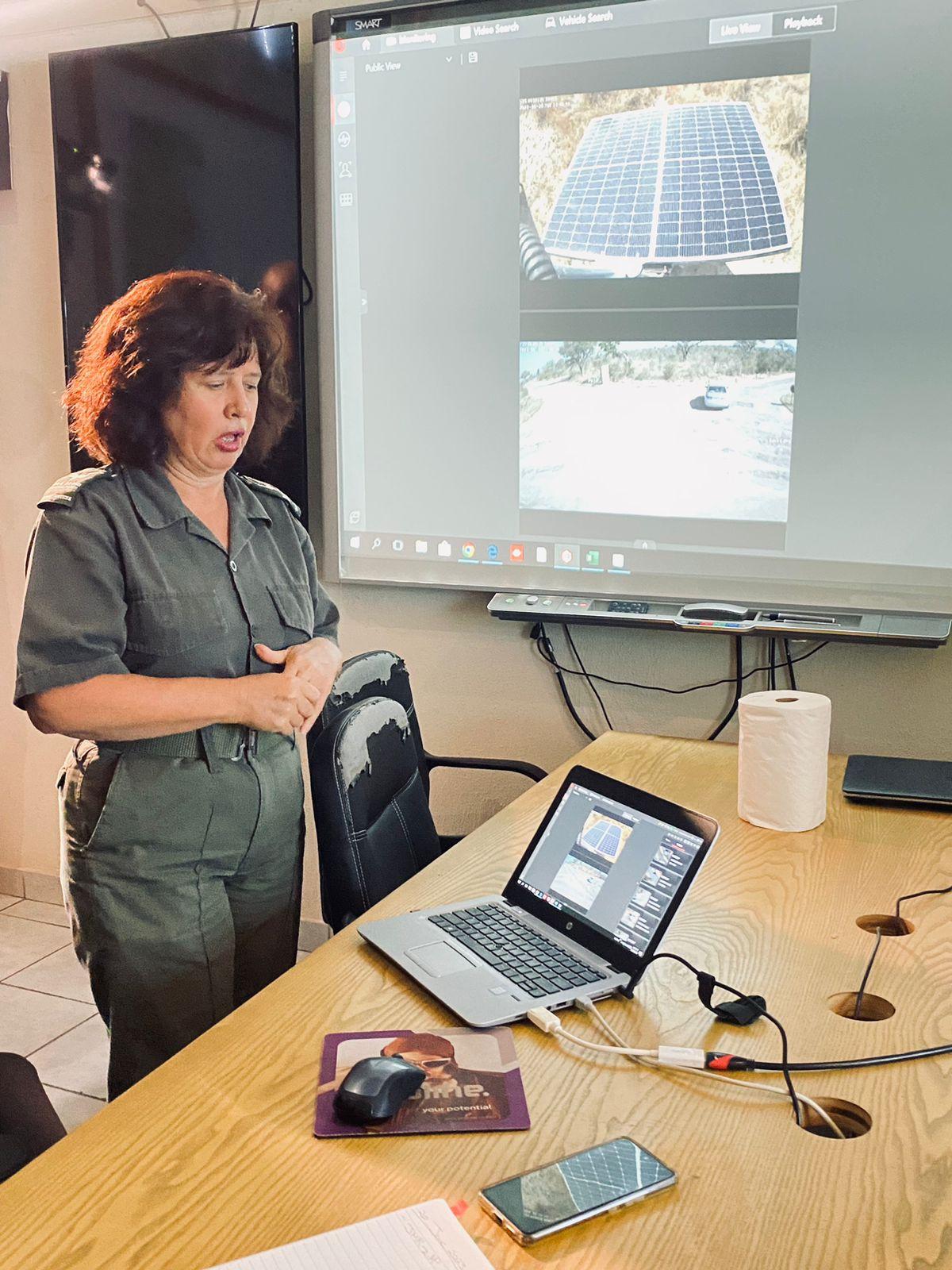
“We communicate with rangers to ensure successful operations, while also now being better equipped to deal with tourists who are lost without deploying helicopters.
“The cameras allow for us to narrow down points of wanted and unwanted movements.”
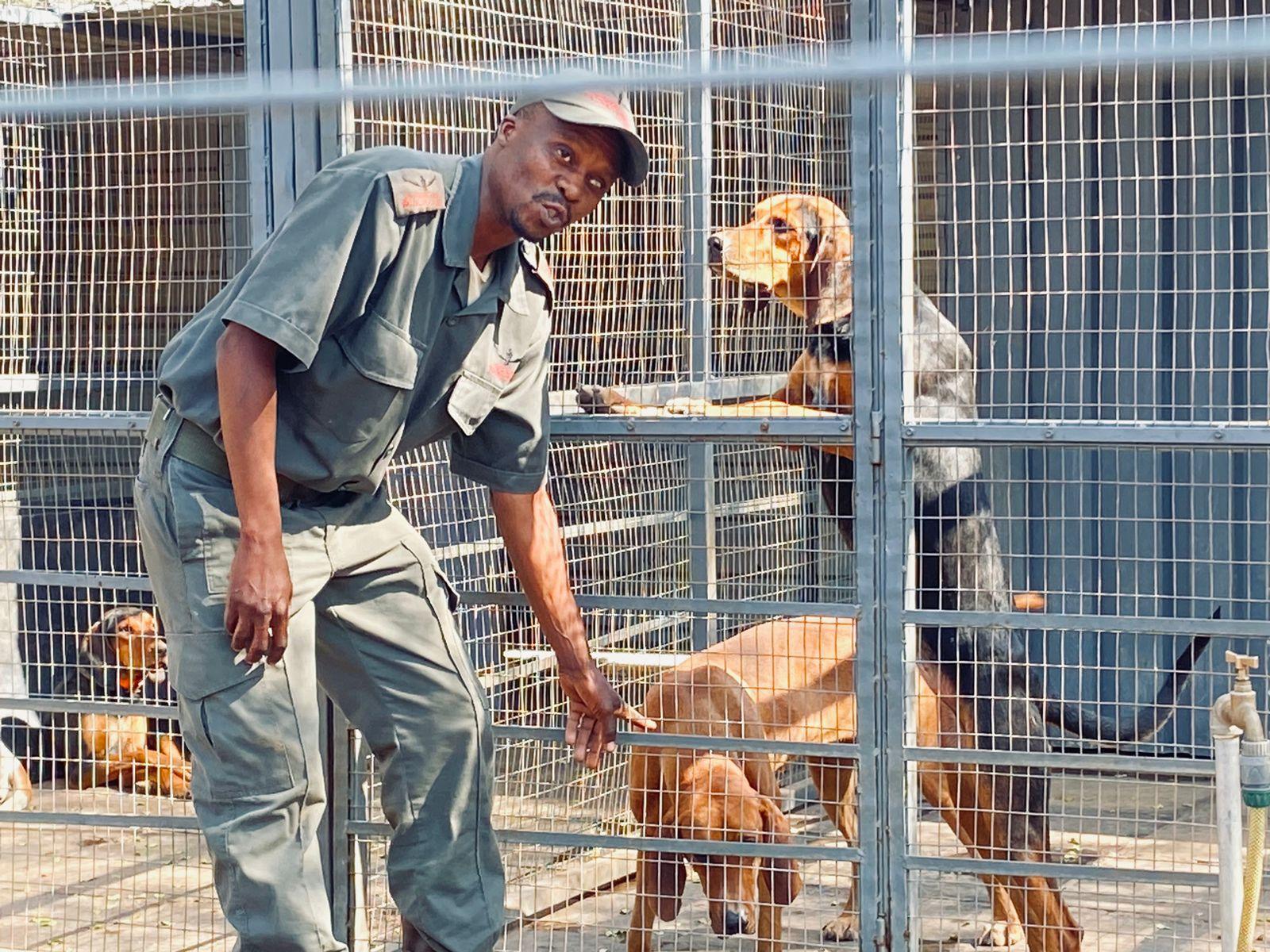
Samuel Madalane, who is a K9 operator at KNP, said anti-poaching remote surveillance along with other tools including helicopters were instrumental in driving down poaching.
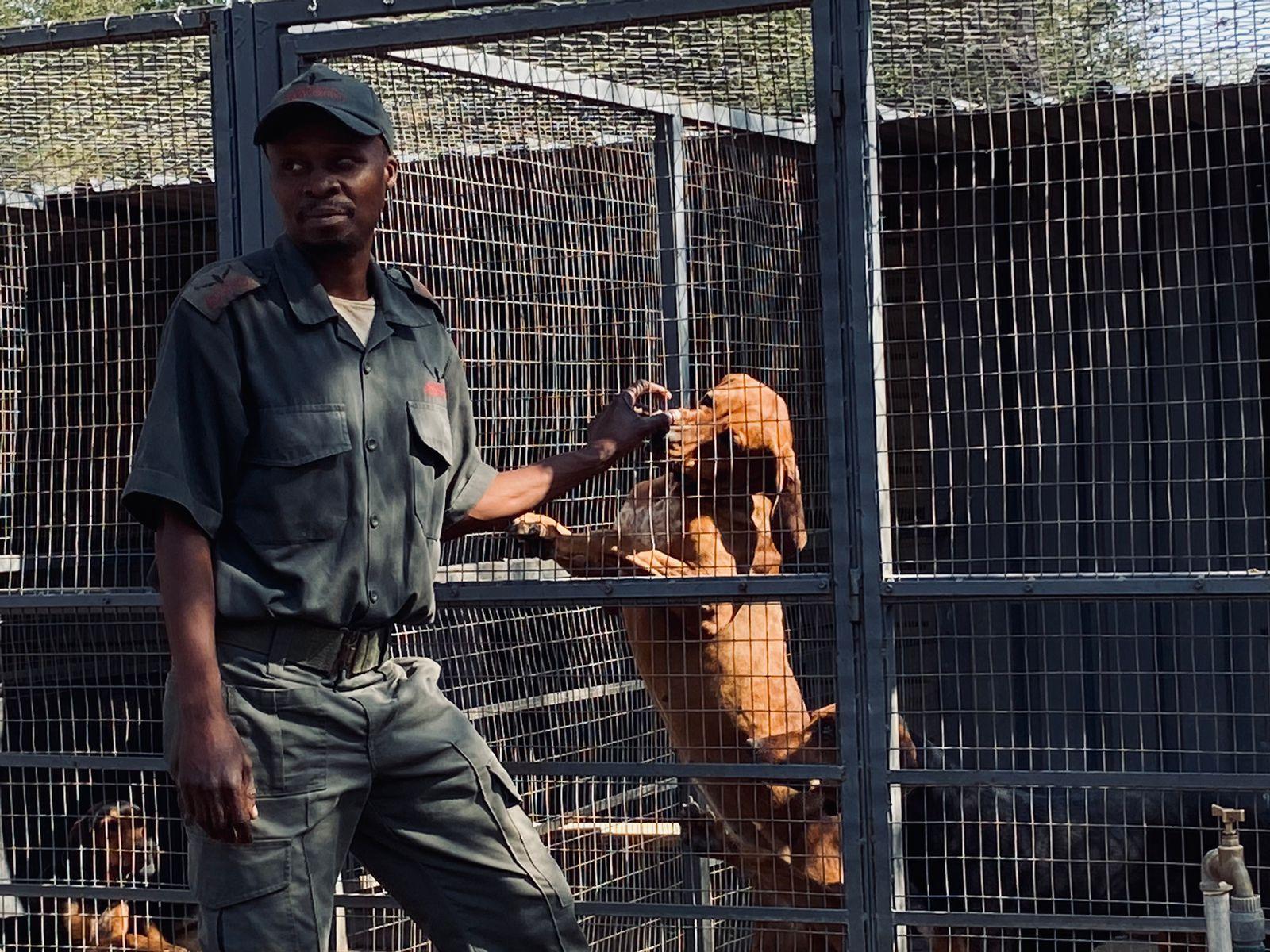
“The camera systems planted in the park assist in detecting vehicle movements and how many vehicles circulate an area, whilst maintaining updates of occupants in transit.”
Madalane said in the past he would have to embark on three operations where dogs were now being used successfully.
He said the pack dogs which freely roamed during operations were tracked by a helicopter.
“They are often safe as the two helicopters chase game away from their path.”
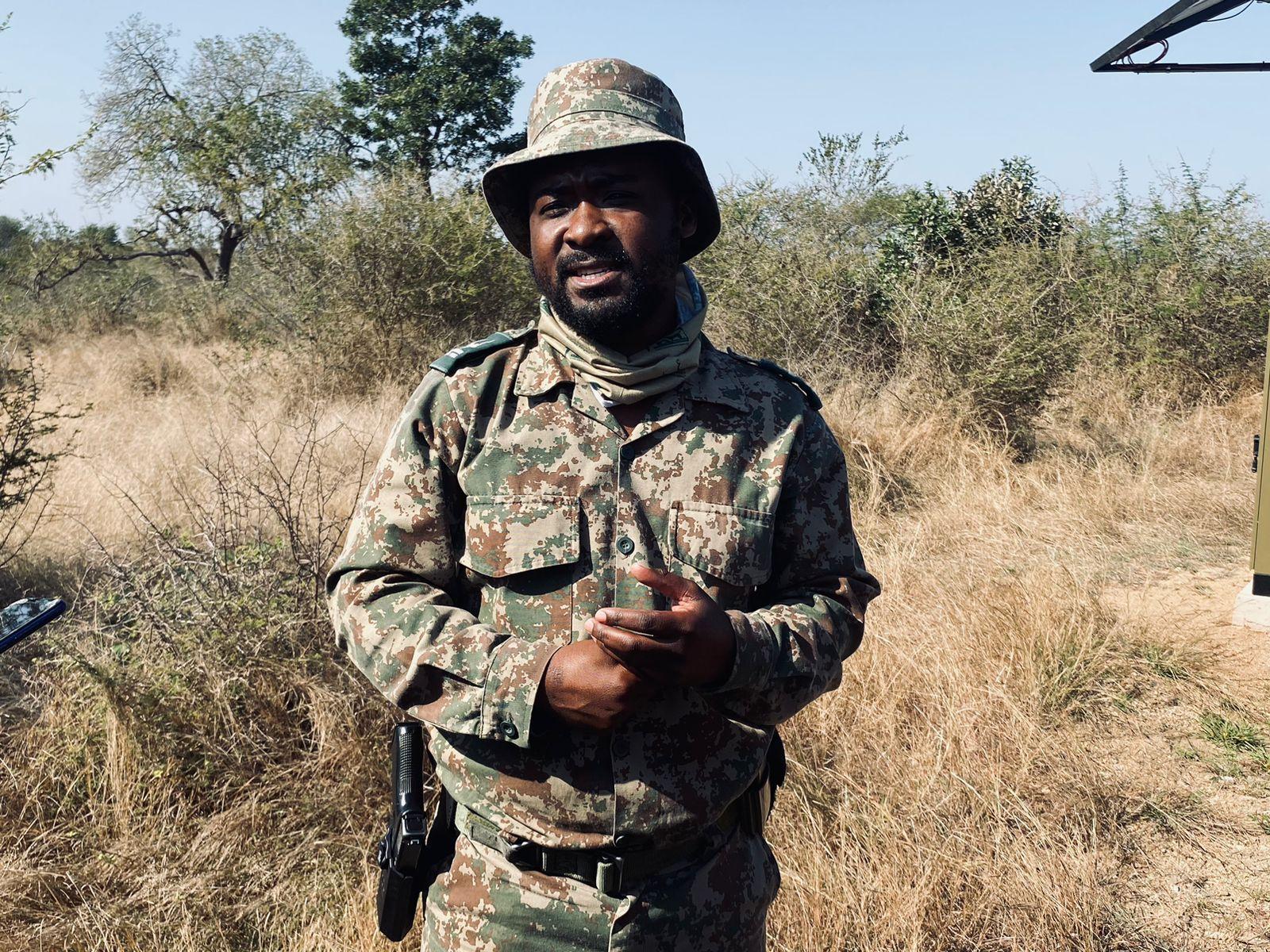
Prosecutor Lot Mgiba said SANParks had lagged in prosecutions due to suspects absconding.
Mgiba said however on June 20, a conviction in a 2016 case was successfully attained.
“The [three] convicts were found in possession of six rhino horns and matched to three rhino carcasses.”
He said two had been granted bail, while one remained in custody throughout trial.
“The two out on bail absconded, however one was rearrested, and he plead not guilty.
“The evidence linked their firearm to the bullet found in the carcass.”
He said the convict was sentenced to 32 years imprisonment.
Man allegedly attacked by taxi driver in Wonderboom
Do you have more information about the story?
Please send us an email to editorial@rekord.co.za or phone us on 083 625 4114.
For free breaking and community news, visit Rekord’s websites: Rekord East
For more news and interesting articles, like Rekord on Facebook, follow us on Twitter or Instagram