Afrikaans turns 100: Pretoria residents reflect on century of language and identity
Locals reflect on Afrikaans’ 100-year journey, celebrating its evolution, diversity, and cultural impact.
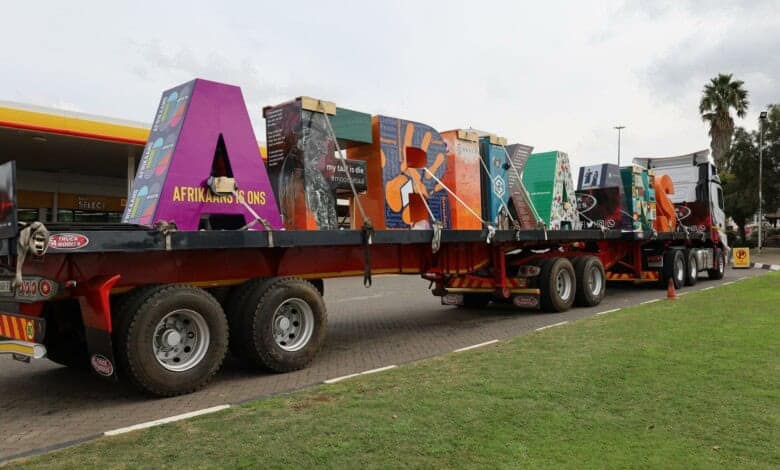
Pretoria residents have reflected on what the Afrikaans language means to them, following the centennial celebrations on May 8.
The cultural milestone was widely celebrated, and has also sparked reflection among locals.
The centenary is more than a commemoration of words, it is a celebration of identity, evolution, and resilience.
Rekord spoke to authors, cultural advocates, and community voices about what this moment means to them and the future of Afrikaans.
Rosalee Meyer, an Afrikaans author and poet from Moreleta Park, in the east of Pretoria, says the language is deeply personal and as important as breathing.
“It really is an enormous privilege to live, write, read, and express myself in a language that is as important to me as breathing,” she says. “I am forever grateful to the pioneers who made sacrifices to establish the platform for Afrikaans to be birthed and kept it going forward.”
Looking at Afrikaans in modern South Africa, Meyer believes the language should evolve with the times.
“It is a heartfelt and precious milestone, but Afrikaans needs to be freed from traditional chains. Let it wear a new and colourful jacket. We should make space for every dialect, stop frowning upon neologisms, and embrace the way the youth dances with Afrikaans: joyful and playful. Its origins come from everywhere,” Meyer explains.
She says preservation, institutions, festivals, and musicians contribute to the language’s survival, but individuals carry the ultimate responsibility.
“Keep loving your language, speak it proudly, teach it to others in fun ways. Make Afrikaans a bridge builder between strangers.”
Another resident Hugo van Niekerk says the centenary celebration represents a triumph of identity.
“The Afrikaans language is the symbol of a new people group on the African continent that has come through great challenges to establish its own identity and mandate.”
He believes this milestone offers inspiration beyond Afrikaans.
“In modern South Africa, this milestone serves as a reminder to every language group to celebrate their identity. This is key to building a unified South Africa,” Van Niekerk explains.
On preservation, he calls for broader efforts.
“More should be done to celebrate and preserve Afrikaans and every language in our country. By embracing our diversity, we can heal from past wounds and build a shared future.”
Ward 85 councillor Jacqui Uys says her culture is rooted in the Afrikaans language.
She said language and culture are inseparable.
“Our cultures are rooted in our language, and being academically recognised helps a language grow and stay alive. Over the last 100 years, Afrikaans has continued to develop, keeping our culture alive.”
She emphasises Afrikaans’ unique diversity.
“Afrikaans has a rich and complex history, with different cultural and racial groups actively speaking it. Initiatives like the Afrikaans 100 tour have helped bring these groups together, reminding us that when we celebrate commonalities, we find unity in diversity.”
However, Uys notes ongoing challenges.
“Afrikaans cultural organisations are strong, but they face funding constraints and lack government support.”
Afrikaans’s 100th birthday has been marked with various celebrations. Die Federasie van Afrikaanse Kultuur (FAK) Liedjietuin (Song Garden) at the Voortrekker Monument has launched The Afrikaans100 board game, designed to be both fun and educational.
“Anyone, young and old, can play together. Whether it’s grandparents or children as young as 10, everyone can enjoy the game. Anyone who loves Afrikaans or wants to learn more about it will really enjoy it,” says Nico Steyn, operations manager of Sputnik Board Games.
Steyn explains that the game was developed in collaboration with the FAK.
“Last year, we decided to create a board game to celebrate Afrikaans’ birthday. We wanted something fun that would also help players learn more about our language, expanding its reach and appreciation.”
Do you have more information about the story?
Please send us an email to bennittb@rekord.co.za or phone us on 083 625 4114.
For free breaking and community news, visit Rekord’s websites: Rekord East
For more news and interesting articles, like Rekord on Facebook, follow us on Twitter or Instagram or TikTok.