Rowland’s life story highlights inclusion this Casual Day
As Casual Day approaches on September 5, the journey of Waterkloof Ridge's William Rowland reminds us that disability rights are a shared responsibility, and that ongoing awareness, advocacy, and compassion are essential to creating an inclusive society for all.
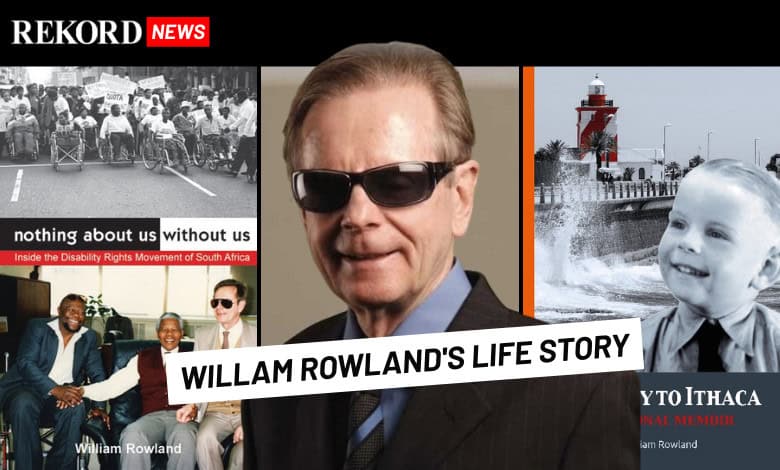
William Rowland’s life is a testament to courage, resilience, and relentless advocacy for the rights of people with disabilities.
Born in Sea Point on March 7, 1940, his life was irrevocably changed at the age of four.
While playing with two friends, tragedy struck: the mother of one child produced a gun and fired. One girl died, and Rowland was left blind. A gunshot went through his temple, severing his optic nerves.
Most children would have retreated into despair, yet he chose a different path, a path defined not by limitation, but by purpose.
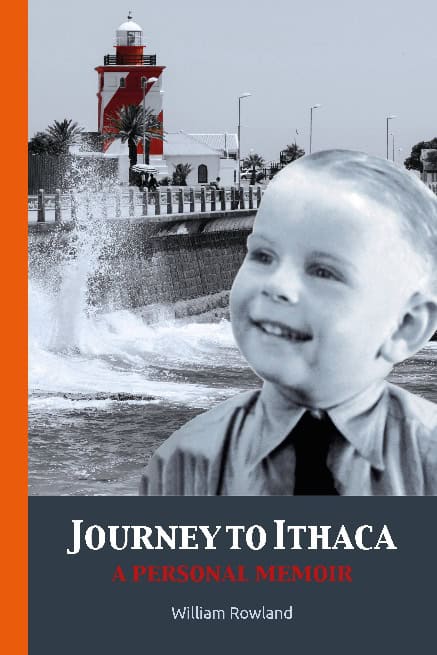
The book, published in 2024 by UJ Press, is enjoying prominence again and describes his journey and achievements as an intellectual, activist, and leader, highlighting his determination to live a full life despite his blindness.
The essence of Rowland’s story, however, extends beyond policy and advocacy.
Forgiveness and resilience define his life.
Many years after losing his sight, he stood in the Anglican Church in Cape Town and reflected on his personal journey of release from the past.
“To find peace within yourself and to eliminate bitterness and regret,” he said to Rekord, “is the essence of forgiveness.”
He recalled one of his final memories of sight: peeking through a small gap in blackout curtains during the Second World War and seeing the night sky.
That fleeting glimpse of the stars became symbolic of a life guided not by what he could see, but by what he could imagine and achieve.
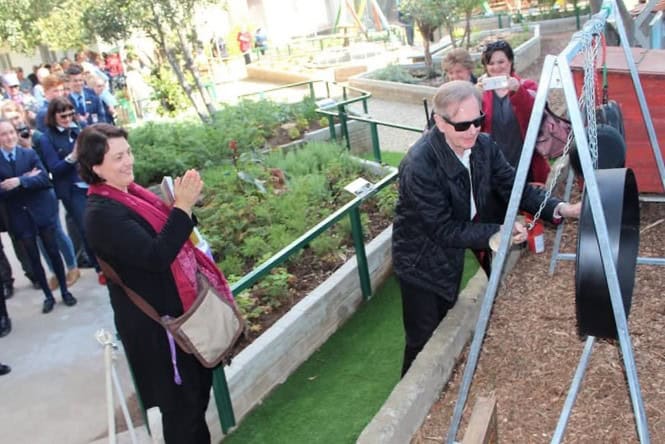
Despite the loss of sight, Rowland’s early experiences taught him resilience.
His journey from childhood tragedy to national leadership on the rights of people with disabilities is documented in his memoir, Journey to Ithaca (UJ Press, 2024), which traces his life as a blind activist, poet, and intellectual.
The book highlights how Rowland transformed personal adversity into a lifelong commitment to advancing disability rights.
Reflecting on activism for the rights of people with disabilities in Pretoria in the 1980s, Rowland said: “My tenure of leadership in the disability rights movement coincided with the liberation struggle in South Africa in the late 1980s and afterwards. As a result of this, people with disabilities are recognised as one of the groups to benefit from the Bill of Rights.”
This alignment with broader national movements is regarded by many as one of his greatest achievements.
“The fight in the 80s for the rights of people with disabilities is a very strong part of my life story. Our biggest achievements were alignment with the liberation struggle and confronting the government with disability demands.”
Rowland’s academic journey was equally remarkable. After schooling in Worcester, he pursued his studies in London, qualifying as a physiotherapist, which provided him with a foundation to understand the body and mind’s adaptability to blindness.
Returning to South Africa, he joined the South African National Council for the Blind, eventually being appointed CEO in 1976.
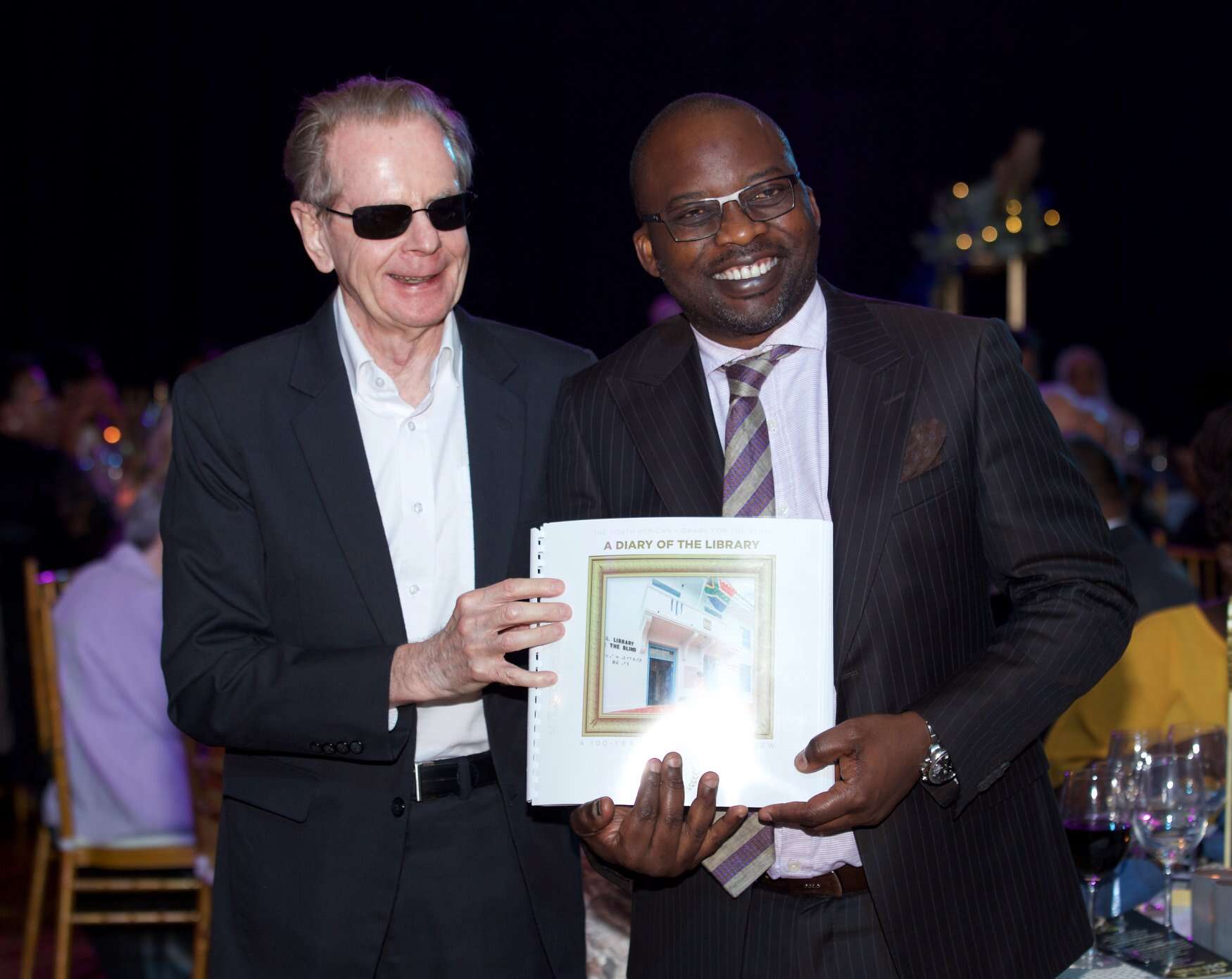
In this role, he played a pivotal part in shaping both national and international disability policies.
Yet his leadership was not purely technical; it was deeply political.
Alongside advocacy, Rowland has been a prolific writer.
His poetry, beginning with Die Huis Waar Ek Woon (Tafelberg, 1974), captures the world as he experiences it through senses other than sight.
He later turned to children’s literature, writing Klaparro die Reuse Verkleurmannetjie, Die Dogtertjie en die Masjien, and Die Reus van Tafelberg.
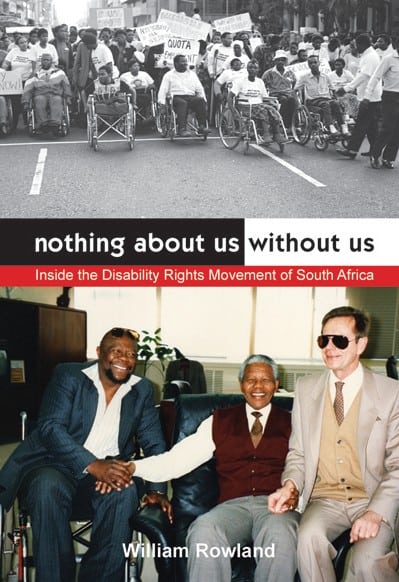
His historical account, Nothing About Us Without Us – Inside the Disability Rights Movement of South Africa (Unisa Press, 2004), documents the long and difficult struggle for equality, ensuring future generations understand the roots of the movement.
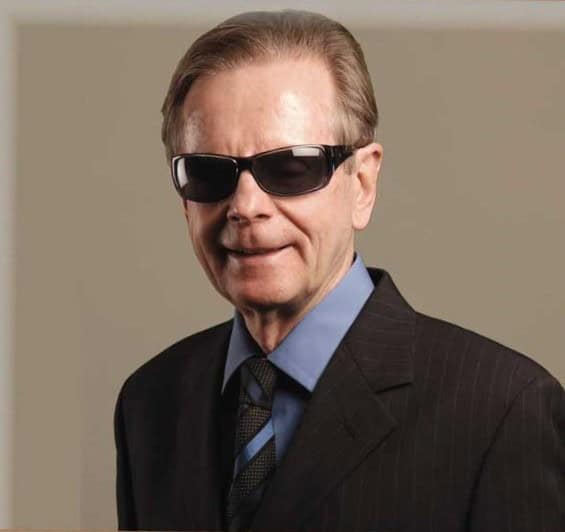
Today, at 85, Rowland lives in Waterkloof Ridge, Pretoria.
He remains active, consulting in the disability field, reading, writing, and maintaining his fitness through regular gym visits.
His life embodies the principle that disability does not equate to incapacity.
His reflections are particularly timely, as South Africa observes Casual Day in September, an initiative raising funds and awareness for people with disabilities.
Casual Day is a reminder that millions of South Africans still live with barriers that limit access, opportunity, and equality.
Rowland underscores that while progress has been made, the struggle is far from over.
“Disability rights should remain central in government planning and policy implementation,” he said, “but it is often omitted in initiatives such as the National Dialogue.”
Rowland also emphasises the importance of personal and collective memory in understanding the movement’s progress.
His project, Rediscovering My Own History, goes beyond nostalgia, seeking to confirm true facts and their impacts.
For him, understanding the past is critical to guiding the future.
“My project was more than nostalgia. The urge was to confirm the true facts of my personal past and their effect.”
– Casual Day stickers are available nationwide through Associations of and for Persons with Disabilities (APDs), NPOs, Government departments, schools, and retailers including Clicks, Pick n Pay, Alpha Pharm, JAM Clothing, The Hub, Eskort, Toys R Us, Babies R Us, Waltons, Boerboel, and selected Food Lovers Market stores, and online at casualday.co.za.
Do you have more information about the story?
Please send us an email to bennittb@rekord.co.za or phone us on 083 625 4114.
For free breaking and community news, visit Rekord’s websites: Rekord East
For more news and interesting articles, like Rekord on Facebook, follow us on Twitter or Instagram or TikTok.