Soshanguve men’s forum combats GBV and unemployment through mentorship
Founded in 2008, Akasosha Men’s Forum provides safe spaces for men to discuss struggles, challenge harmful norms, and fight cycles of poverty and gender-based violence.
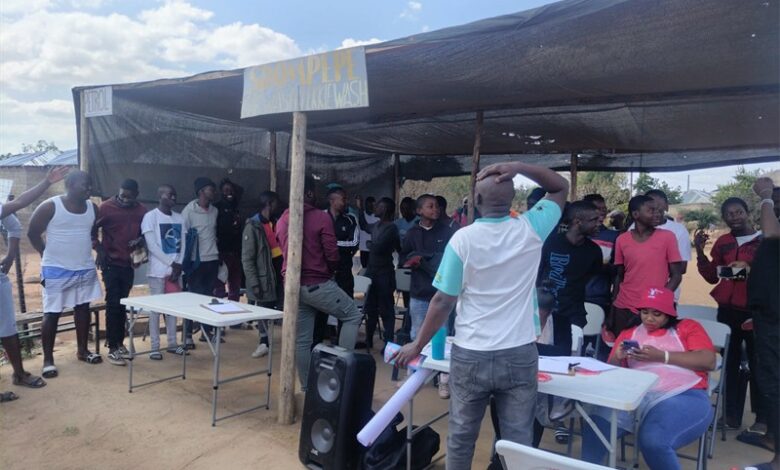
A group of men in the north of Pretoria have brought it upon themselves to tackle the burdens carried by men in their community, to fight the stigmas that often accompany crime and gender-based violence.
In communities such as Soshanguve and Akasia, men often carry heavy burdens in silence, including the pressures of unemployment, depression, substance abuse, and harmful stereotypes of masculinity.
For years, these challenges have contributed to broken families, rising gender-based violence (GBV), and cycles of poverty.
In response, a group of men in Soshanguve came together in 2008 to form Akasosha Men’s Forum, a multicultural non-profit organisation dedicated to providing men with a safe space to heal, learn, and grow.
Founded by Thomas Khumalo and registered with the Department of Social Development the same year, Akasosha has steadily grown from a small group of 10 men meeting in a community hall to a powerful movement with over 100 active members. They have reached more than 5 000 beneficiaries across Soshanguve, Winterveldt, Mabopane, and even Marikana.
Lutendo Munyai of Akasosha said that the mission is the creation of a non-judgmental space where men can openly discuss their struggles and redefine masculinity in healthier, more responsible ways.
“Strength is not in silence. True strength is seeking growth and leaning on your brothers.
“The forum addresses issues often ignored in men’s circles such as mental health, depression, substance abuse, absentee fatherhood, and GBV,” said Munyai.
Munyai said through support groups, counselling, and mentorship programmes, men are encouraged to confront harmful norms and build stronger families and communities.
Akasosha’s work spans multiple areas of intervention. Its Fatherhood Circle equips men with practical parenting skills, while encouraging emotional presence at home.
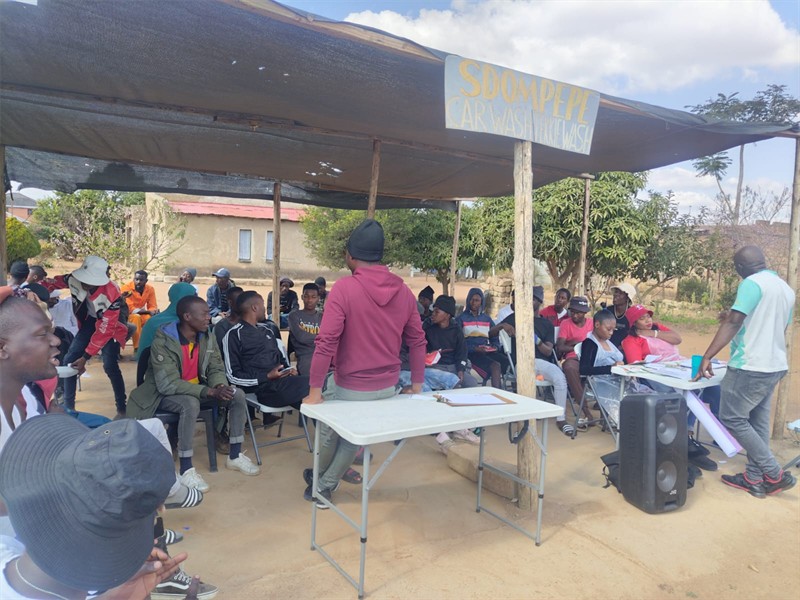
Initiatives such as Take Your Child to the Forum Day strengthen father-child relationships and model positive male role models in the community.
Unemployment and poverty are also pressing challenges. To address these, the forum organises career fairs, skills development workshops, and networking opportunities that connect men with companies and business ventures.
Munyai mentioned that members who once struggled with joblessness or addiction have turned their lives around through the forum’s support, moving into employment and becoming mentors themselves.
“GBV remains one of South Africa’s most urgent crises. The forum combats this through education on trauma, consent, and healthy relationships, encouraging men to actively intervene and speak out.
“The forum also runs community awareness campaigns and therapeutic groups that involve women, youth, and LGBTQIA+ community members, recognising that GBV and toxic masculinity affect everyone,” said Munyai.
Over the years, Akasosha has built strong partnerships with government departments, schools, churches, and civil society organisations.
Together with the Department of Social Development and Hlanganisa Community Fund, the forum drives GBV and substance abuse awareness campaigns.
Its collaboration with the Department of Health includes providing HIV Testing Services, glucose and blood pressure screening, and referrals to local clinics.
In schools, the forum partners with the Masifunde Changemaker Network to train learners on leadership, GBV, climate change, and school safety.
These efforts have led to tangible community projects, such as recycling and gardening initiatives in high schools, driven by learners themselves.
Other collaborations include work with the South African National AIDS Council, Community-Oriented Substance Use Programme, People Against Abuse, and Katekani Community Projects, making Akasosha a vital hub for psychosocial support and social change.
“Despite its successes, the forum faces ongoing challenges. Limited funding restricts the scope of its programmes, while stigma around men seeking help still prevents some from joining.
“We continue to overcome these obstacles through peer-to-peer recruitment, fundraising events, and visible community impact.”
The organisation envisions creating a formal skills academy, expanding its job placement partnerships, and establishing a community wellness centre offering counselling and legal aid.
“We want to become a nationally recognised model for men’s empowerment, with its programmes integrated into school curricula and replicated across the country.
“Men must take responsibility not only for themselves, but also for their families and communities. By breaking the silence, redefining masculinity, and supporting one another, they can play a central role in addressing South Africa’s toughest social ills.”
Do you have more information about the story?
Please send us an email to bennittb@rekord.co.za or phone us on 083 625 4114.
For free breaking and community news, visit Rekord’s websites: Rekord East
For more news and interesting articles, like Rekord on Facebook, follow us on Twitter or Instagram or TikTok.