Soshanguve water crisis looms as high consumption forces metro to act
With reservoirs running dry, the metro urges urgent savings – but residents say leaks and poor maintenance add to their struggle.
Residents of Soshanguve, north of Pretoria, have been urged to drastically reduce their water usage, as the Tshwane metro battles an escalating consumption crisis that has already left parts of the township without supply.
According to the metro, unusually high water consumption levels have placed severe strain on the system, particularly in Region 1, where Soshanguve is located.
The Soshanguve L tower zone has already run dry, prompting emergency interventions by municipal teams.
Tshwane spokesperson Lindela Mashigo confirmed that measures had been implemented to stabilise the supply, including restricting the inflow into the Soshanguve DD system and reducing the outflow from the Soshanguve L zone.
Despite these efforts, water levels remain critically low, and officials have warned that if consumption is not reduced immediately, further restrictions will become unavoidable.
“The reality is that if residents do not save water now, we will be forced to impose harsher restrictions on both the Soshanguve DD and L systems.
“Every litre wasted today reduces availability for your neighbour, your family, and the broader community tomorrow,” he said.
The metro has called on households to adopt urgent water-saving practices to avoid a deepening crisis.
These include fixing household leaks, using water only for essential purposes such as drinking and cooking, and avoiding non-essential activities like watering gardens during the day, washing cars with hosepipes or filling swimming pools.
Mashigo emphasised that collective responsibility is key to ensuring a stable supply.
“Water is a shared resource, and ignoring these calls to conserve puts the entire community at risk. We need every resident to co-operate.”
Soshanguve and the surrounding areas have faced intermittent water supply challenges in recent years due to infrastructure strain, high population density, and periods of extreme heat that drive up demand.
The latest crisis has reignited frustration among residents, many of whom feel the burden of water shortages more acutely than others.
Block L resident Sheila Molefe said it’s not only residents who contribute to the high usage of water, but also the persistent water leaks in the area.
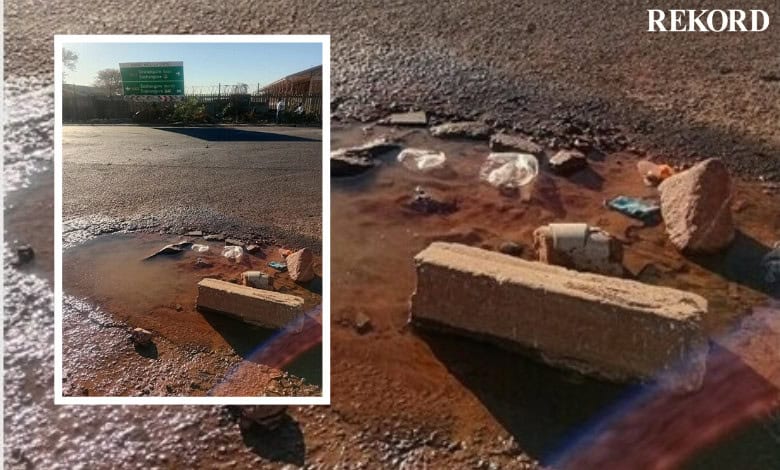
“There is a water leak near the Tshwane University of Technology that has been going on for months now.
“The only communication you receive from Tshwane is them acknowledging your report on a service delivery issue; you will never see them on site or fixing,” said Molefe.
Molefe said the metro must fix the water leaks and stop blaming residents.
“It doesn’t make sense to misuse water when you know that you will pay for it come month’s end. Water leaks contribute to this issue because water runs all day long, and the municipality doesn’t want to take responsibility; instead, they blame us.
“And this is sad, because the elderly and families with young children are the hardest hit when taps run dry. Everyone must play their part because when the system collapses, the most vulnerable suffer the most.”
Do you have more information about the story?
Please send us an email to bennittb@rekord.co.za or phone us on 083 625 4114.
For free breaking and community news, visit Rekord’s websites: Rekord East
For more news and interesting articles, like Rekord on Facebook, follow us on Twitter or Instagram or TikTok.