Feasibility study for electric minibus taxis at Soshanguve Taxi Rank
The goal is to determine whether electric vehicles can successfully replace the traditional diesel-powered minibus taxis that dominate South Africa’s transport system.
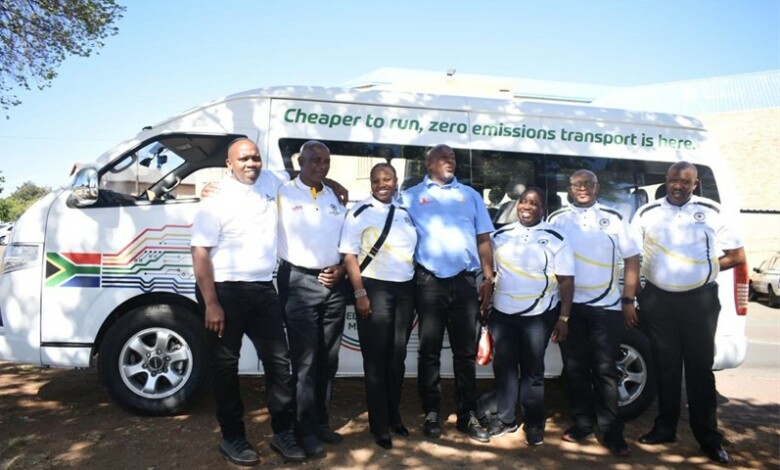
The bustling Soshanguve Taxi Rank in the north of Pretoria became the latest testing ground for a ground-breaking initiative aimed at reshaping South Africa’s public transport sector.
The Ikamva Consulting firm, in partnership with FixEV, on September 18, conducted a real-time feasibility study on the introduction of electric minibus taxis, sparking interest from drivers, taxi associations, and passengers alike.
This study is part of a series of nationwide trials following earlier launches in Tembisa on September 9 and Soweto on September 17.
The goal is to determine whether electric vehicles (EVs) can successfully replace the traditional diesel-powered minibus taxis that dominate South Africa’s transport system.
The Deputy Director of Environmental Co-ordination at the National Department of Transport, Andries Ntjane, underscored the government’s role in supporting green mobility.
“As people from the Department of Transport dealing with the green transport strategy, our task is to make sure that all the standards regarding electric minibus taxis adhere to the laws set out by the government,” Ntjane said.
He emphasised that while the department’s role is largely that of an observer, taxi owners and operators must assess whether the vehicles meet their needs in terms of passenger capacity, durability, and safety.
Ntjane added that the department’s ultimate priority is reducing carbon emissions.
“We expect Ikamva to come and meet with us at a later stage so we can offer them support where they are experiencing shortfalls,” he said.
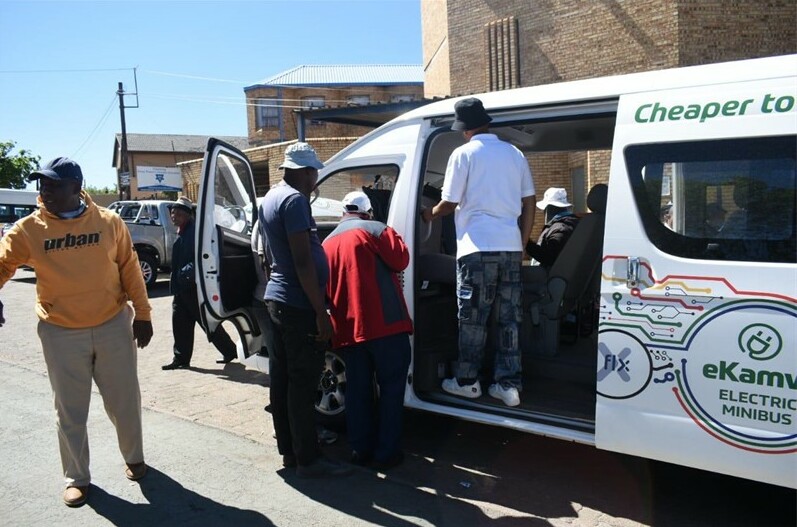
The trial represented more than just environmental progress; it symbolised the potential for real economic relief.
A Hammanskraal Taxi Association representative, David Letebele Tlailane, welcomed the technology, saying electric taxis could address common maintenance issues.
“The electric minibus taxis will solve the problem of injectors in diesel vehicles, and both drivers and passengers will love these vehicles because they don’t make a lot of noise when driven,” he explained.
The South African National Taxi Council Tshwane regional secretary, Maria Mashadi Ntuli, echoed this optimism as she highlighted cost savings as the most significant benefit.
“This initiative will help us save money on petrol and diesel costs. Although some drivers say the vehicle doesn’t yet have the speed they require, I believe it is excellent for scholar transport and short local operations,” she said.
Ntuli encouraged commuters to embrace the change, noting that savings would extend to both operators and passengers.
Local taxi associations also weighed in, with McKid Mogale of the Soshanguve Taxi Owners Association describing his first-hand experience driving the prototype.
“It is a good car, but there are several improvements that still need to be made.
“It will take some time for us as drivers to fully understand how the car functions, but I welcome the introduction, as it will boost our income,” he said.
CEO and founder of Ikamva Consulting Matsidikanye Moswane said the study marks a crucial step toward aligning with global transport trends.
Moswane framed the initiative as part of South Africa’s commitment to the green economy.
“The electric minibus taxi supports what all governments worldwide are pushing, the green transport strategy.
“Petrol and diesel take up to half of taxi operators’ earnings. Electric vehicles will save significant costs for the industry,” he explained.
He conceded that the project is still in its early phases, with more input required from various stakeholders.
He acknowledged that some operators might resist the transition due to uncertainty but stressed the long-term financial and environmental benefits.
Taxi driver Bheki Ngomana said he enjoyed the test drive and was eager for the final product, and fellow driver Sibusiso Maepa, noted the potential for bigger profits.
“The electric minibus taxi will help us save a lot on petrol. As drivers, we will make more money in our pockets,” he said.
Do you have more information about the story?
Please send us an email to bennittb@rekord.co.za or phone us on 083 625 4114.
For free breaking and community news, visit Rekord’s websites: Rekord East
For more news and interesting articles, like Rekord on Facebook, follow us on Twitter or Instagram or TikTok.