Metro’s plea to save water overshadowed by leaks in Centurion, say residents
Thousands of litres are lost daily to burst pipes, undermining efforts to cut consumption in high-demand suburbs. Residents say this leaves them feeling ignored.
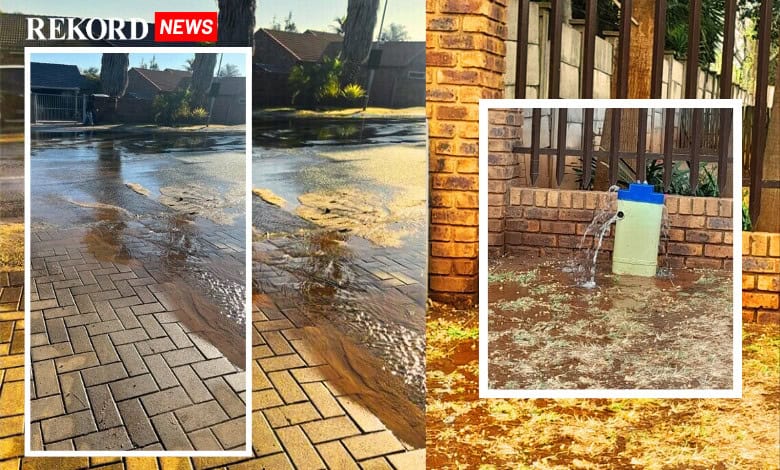
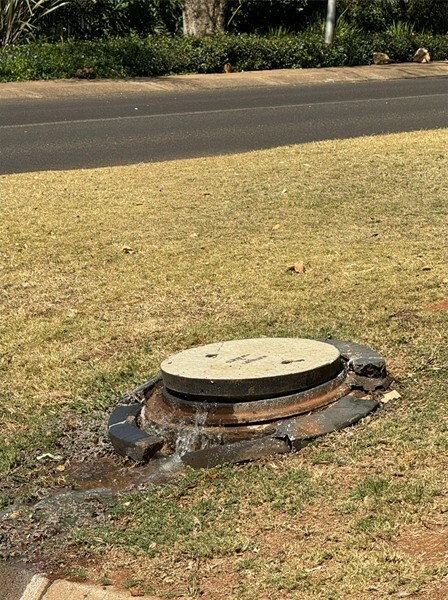
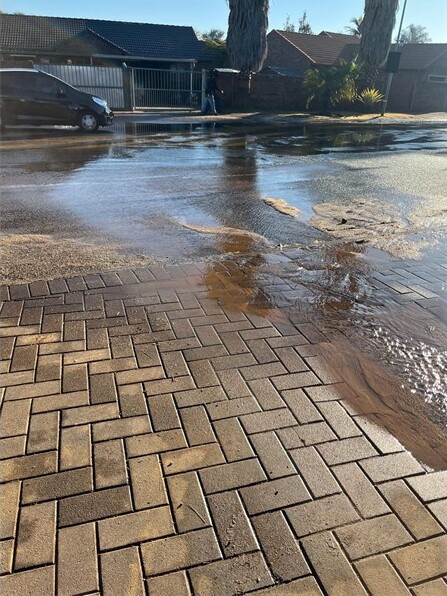
Many Centurion residents have expressed concern over ongoing water leaks that remain unrepaired, arguing that infrastructure failures are undermining efforts to conserve water.
This is after the metro warned on September 18 that its bulk water distribution system is under severe strain, with 20 reservoirs flagged for high consumption in areas, including Brakfontein, Rooihuiskraal, Eldoraigne, Lyttelton, Wierda Park, and The Reeds.
Rooihuiskraal North resident Ingrid Theron said she finds it difficult to see how residents’ efforts to save water can make a difference when leaks remain unfixed.
“It feels pointless to cut back when water keeps leaking in the streets. The metro should fix the pipes first,” she said.
Theron explained that despite repeated reports to the city, leaks continue to waste significant amounts of water, leaving residents feeling ignored.
“We try to save water in every way we can, like taking shorter showers and careful use of water in the garden. But when water continues to pour into the streets from broken pipes, it feels like all our effort is wasted. The slow repairs mean thousands of litres are lost every day,” she said.
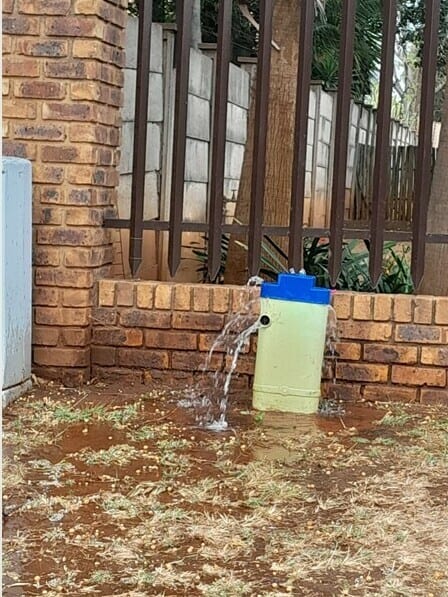
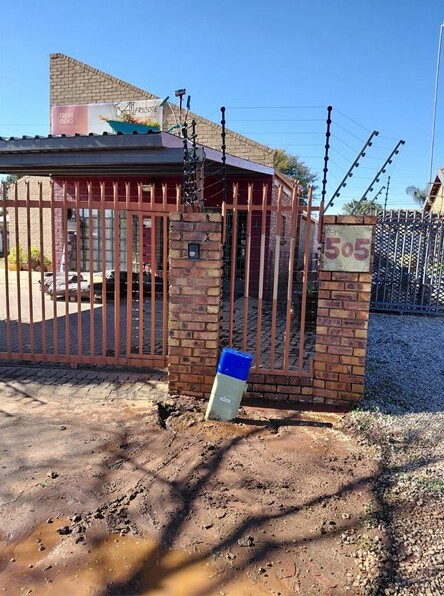
She also noted that some residents have started to question whether reporting leaks is even worth it, as the response often takes weeks or months.
Eldoraigne resident Annie Swanepoel said she had reported multiple leaks in her neighbourhood, but repairs took weeks to be addressed.
“We try to be responsible and save water, but when leaks are ignored for so long, huge amounts of water just go to waste. It’s discouraging to see water disappearing while you wait for the city to act,” Swanepoel said.
She stated that she feels powerless because the metro’s slow response prevents residents from making a real difference in overall water usage.
“Residents are willing to conserve water, but we feel disappointed because the city has not been proactive in fixing infrastructure issues.”
She highlighted that repeated reports of certain water leaks often go unanswered, leaving residents feeling overlooked and allowing water to continue being wasted.
Ward 69 councillor Cindy Billson previously told Rekord that she has repeatedly raised the slow pace of repairs with the metro.
“I have multiple water leaks that I have reported that have not been fixed, or the city takes a long time to fix. It is an extremely serious concern because water continues to be wasted,” Billson said.
She emphasised that residents’ repeated reports must be addressed promptly and described the delays as unacceptable.
Tshwane metro spokesperson Lindela Mashigo announced on September 18 that the problem is not with the metro’s water network itself, but with the behaviour of residents and businesses.
“Consumers continue to ignore the city’s call to use water sparingly. If this trend does not change, our system may run dry,” he cautioned.
This became true when Soshanguve’s water was shut down for 24 hours, as high consumption led to reservoirs running dry.
According to Mashigo, Rand Water is currently pumping 926 million litres of water per day to Tshwane, far above the permitted 662 million litres per day.
He explained that this figure, recorded on September 8, reflects an excess of about 22% above the city’s limit, putting the entire system at risk.
“Sixteen reservoirs were already flagged for excessively high water consumption. By September 18, that number had increased to 20, with more areas now recording demand that outpaces available supply.”
“It is disheartening to note that residents’ behaviour has not changed, despite repeated requests,” said Mashigo.
At the time, he urged residents to remember that Level 1 water restrictions, imposed under the Water Supply By-Laws, remain in place.
“If residents continue to disregard these restrictions, the city will be forced to escalate measures to Level 2 or higher,” Mashigo warned.
He said such a step would have financial consequences, as stricter restrictions carry higher tariffs.
“Punitive measures will also be imposed on transgressors.”
Mashigo urged households and businesses to make a concerted effort to reduce usage.
Do you have more information about the story?
Please send us an email to bennittb@rekord.co.za or phone us on 083 625 4114.
For free breaking and community news, visit Rekord’s websites: Rekord East
For more news and interesting articles, like Rekord on Facebook, follow us on Twitter or Instagram or TikTok.