Hammanskraal taps and tanks dry while tanker costs soar
A year after Mayor Nasiphi Moya’s election, many Hammanskraal residents still lack clean tap water. Despite completed phases of the treatment plant, the metro still relies heavily on costly water tankers. Delays, poor communication, and alleged interference by a ‘water tanker mafia’ have stalled progress, leaving communities frustrated and schools without reliable access to water.
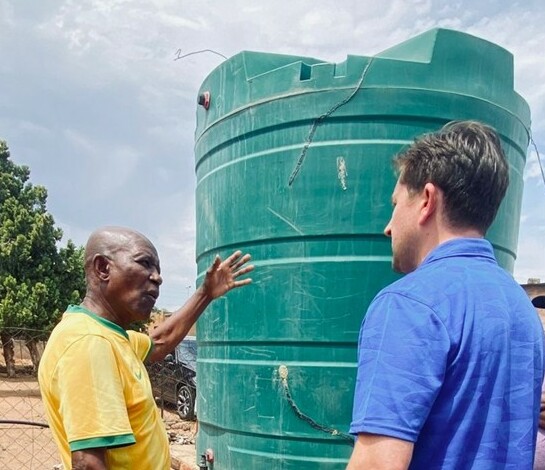
Residents in Hammanskraal are still without clean running water – a year after the metro promised to fix the crisis.
Instead, the community faces growing frustration, dry taps, and allegations of a ‘water tanker mafia’ profiting from delays.
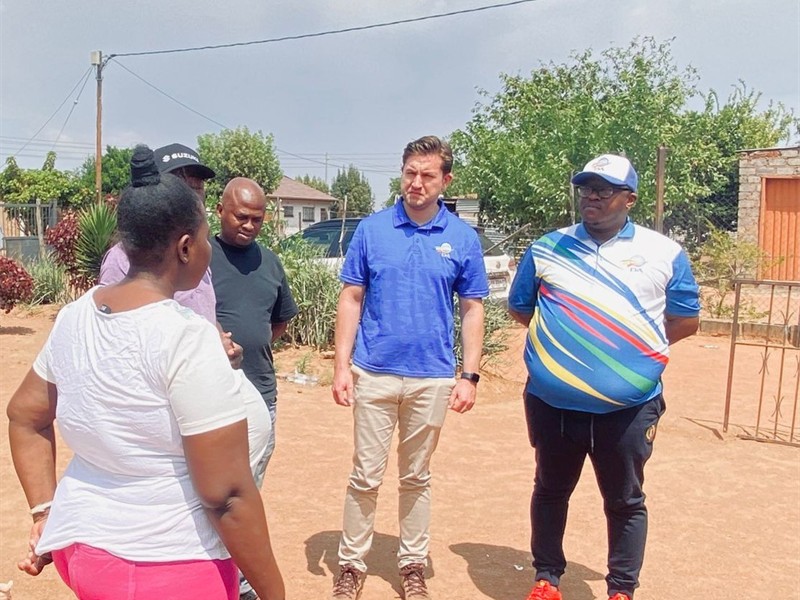
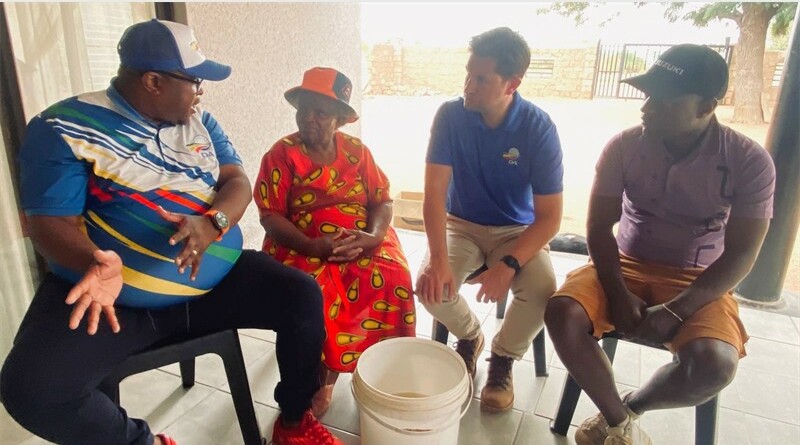
On October 7, DA Tshwane caucus leader Cilliers Brink visited families who say they remain dependent on water tankers or bottled water, despite millions spent on a project meant to bring potable water to their homes.
“Today I met with various families who, by now, should have water in their taps. Instead, they are still dependent on water tankers or forced to buy bottled water.
“This project was supposed to be completed months ago. Yet here we are with no clean water in homes, no explanations from the metro, and no accountability,” Brink said.
He pointed out that a year has passed since the election of Mayor Nasiphi Moya under the ANC-led coalition government.
According to Brink, only some residents in the areas allocated to receive water after completion of Phase 1 of the treatment plant have clean water from Magalies Water.
Brink said the metro, however, now spends more on water tankers than ever before, raising alarm bells about both the sustainability and integrity of water delivery systems in the metro.
Back in 2023, the metro, in partnership with the Department of Water and Sanitation (DWS), developed a plan to resolve Hammanskraal’s long-standing water crisis by bypassing the severely polluted Apies River.
The solution: Source water from the cleaner Pienaars River and treat it through a cutting-edge modular water treatment plant built by Magalies Water.
The Klipdrift Package Plant, hailed as one of the largest modular water treatment projects in Africa, was completed within months.
This facility has the capacity to deliver millions of litres of clean, SANS 241-compliant water daily. But only if the metro completes its part of the project by installing infrastructure, meters, and pipelines to distribute the water.
“All four phases of the metro’s rollout should have been complete by June, but only Phase 1 has been implemented. Even in the areas allocated to receive water from this phase, residents report no water from their taps. The taps are dry,” said Brink.
Ward councillor Jackie Uys confirmed the troubling reality.
“The story here in Hammanskraal is that taps are empty. There is a new fleet of tankers on the roads instead. It is clear there is no intention to deliver water through the taps.”
Instead of progress, residents are witnessing a deepening reliance on water tankers.
“Business is booming for tanker contractors,” Uys said. “But for the community, the suffering continues. Schools are running out of water. They are forced to use their education budgets to buy water. Residents have JoJo tanks but nothing in the tanks.”
A report by the metro’s public accounts committee shows the price of water has increased tenfold by tanker delivery.
This expenditure for the metro amounts to more than R530-million per financial year and according to Peter Meijer of the Freedom Front Plus, is unsustainable. It means the metro pays 1 cent for a litre of water, but 10 cents per litre to have it delivered by tanker.
In July, amid rising public frustration, the metro admitted that delays in completing permanent pipelines were to blame for the water crisis.
At the time, a temporary, ageing pipeline prone to leaks and under-capacity was still in use to flush the system, and clean water from the Klipdrift plant could not reach most residents.
On July 23, the metro, the national Department of Water and Sanitation and Magalies Water acknowledged these and other problematic issues and promised action.
Module 2 of the Klipdrift plant, capable of supplying 12.5 million litres per day, was handed over to the metro on June 29, but pipeline construction and system testing were still incomplete.
While officials apologised and deployed more tankers, no timeline was given for completion of the remaining phases.
“We are now three months past the deadline,” Brink said. “There is no transparency. The metro has not communicated with residents. There is no commitment on when the rest of the phases of the project will go live.”
Meanwhile, Moya appeared before Parliament’s co-operative governance and traditional affairs committee on September 4, where, according to Brink, she failed to provide a clear explanation for the delays.
She, however, revealed another shocking issue: the infiltration of the water delivery system by armed criminal syndicates.
“We have a problem with water tanker mafias in the city,” Moya told the committee. “When we took a decision to reduce our use of water tankers, these mafias, armed with rifles, attempted to block access to hydrants.”
To combat this, she explained the metro will be procuring 15 municipal-owned emergency water tankers. She explained these are meant to serve areas with infrastructure issues and to reduce reliance on private contractors.
While this is framed as a cost-saving measure, the irony is not lost on residents or critics.
“This whole project was meant to eliminate the need for water tankers,” Brink noted. “Instead, spending is at a record high, and the community is still without water from taps.”
Brink also believes the political context is damning.
In the 2021 local elections, ActionSA, now in coalition with the ANC and EFF in Tshwane, made Hammanskraal’s water crisis a central campaign issue.
“Now that they are in government, they have abandoned the project,” Brink added. “The work that was needed to deliver clean water and end the tanker monopoly was done under a DA-led coalition. That progress is now at risk.”
Schools are perhaps the starkest example of the human cost. Brink was told during his visit that with no water, many schools are using already strained budgets to purchase water.
Do you have more information about the story?
Please send us an email to bennittb@rekord.co.za or phone us on 083 625 4114.
For free breaking and community news, visit Rekord’s websites: Rekord East
For more news and interesting articles, like Rekord on Facebook, follow us on Twitter or Instagram or TikTok.