Residents reminded to protect eyesight with regular exams and care
Health officials warned that many eye conditions show no early symptoms, urging residents to schedule regular checks to detect and treat problems before they cause permanent vision loss.
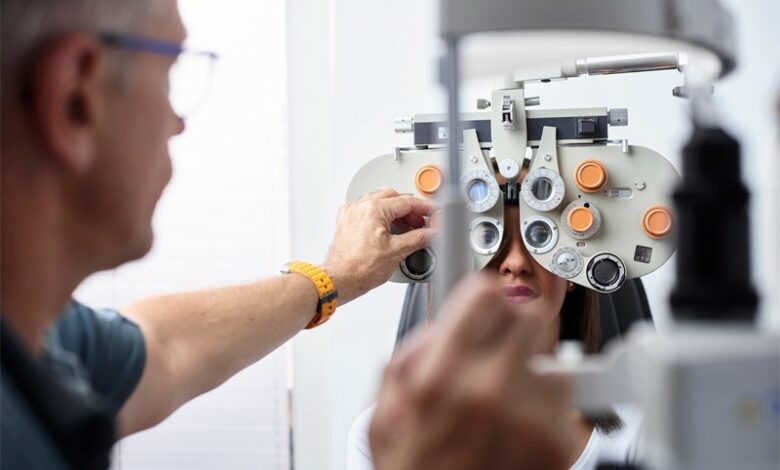
Tshwane District Health Services, in collaboration with NGOs, hosted an event on October 3 in Hatfield during which they shared ways that residents can protect their eyes.
This event marked World Retina Day (the last Saturday in September) and International Sight Day (October 9).
This year, residents were reminded that early detection of eye problems and access to care can help reduce the risk of preventable vision impairment in the future.
According to the World Health Organization (WHO), at least 2.2 billion people have a vision impairment globally.
WHO also states that in at least 1 billion – or almost half – of these cases, vision impairment could have been prevented or has yet to be addressed.
Tshwane District Health Services (TDHS), in collaboration with NGO Orbis International, recently hosted an event in Hatfield, alongside several Tshwane healthcare facilities, to discuss the upcoming implementation of several Tshwane District eye care projects, aimed at preventing avoidable blindness caused by diabetes, retinopathy, and cataracts.
“We are looking forward to working with Orbis on the projects that they will be implementing. These include diabetic retinopathy screening and management, retinopathy of prematurity screening, and also cataract services support,” said TDHS eye care manager, Angie Thobakgale.
Roche Diagnostics recently shared seven things everyone should know about protecting their sight.
First of all, schedule regular eye exams. Many eye diseases have very few or no symptoms in their early stages. A comprehensive dilated eye exam allows doctors to look inside the eye, detect silent conditions such as glaucoma or diabetic retinopathy and intervene before irreversible damage occurs.
Claudette Medefindt, head of science at Retina South Africa, adds, “An annual eye examination can detect retinal disease early and help prevent avoidable vision loss.
“Retina South Africa exists to support people living with retinal conditions through information-sharing, education, training and counselling. We also work with partners to champion initiatives that promote eye health and encourage regular checks.
“We want people to know they don’t have to face vision problems alone – reach out to us for guidance, resources and support.”
Next, respect your retina. This light-sensitive layer at the back of the eye sends signals to the brain, allowing us to see.
When conditions such as age-related macular degeneration (AMD) or diabetic macular oedema (DME) damage the retina, central vision can be lost.
These diseases are progressive and irreversible – but with awareness and early treatment, sight can be preserved.
You should also see a specialist, especially if you have diabetes. Diabetes damages the tiny blood vessels in the retina, causing diabetic retinopathy – one of the major causes of blindness worldwide.
In its early stages, retinopathy often has no symptoms. That’s why people with diabetes are strongly advised to undergo a dilated retinal exam every one to two years. Caught early, vision can often be saved.
People with type 1, type 2 or diabetes while pregnant risk developing diabetic retinopathy. The longer you have diabetes, the more likely you are to develop it.
It is vital to take care of your eyes, no matter how old you are. Children need vision screening to identify amblyopia or ‘lazy eye’, a leading cause of childhood vision loss.
Adults over 60 face heightened risks of cataracts, glaucoma and AMD. The American Optometric Association (AOA) recommends annual eye examinations for everyone over 60 to detect changes before they interfere with daily life.
Everyday tips such as controlling blood sugar and blood pressure, eating a healthy diet, avoiding smoking, and protecting eyes from UV light all reduce the risk of common retinal and age-related conditions.
Regular physical activity is also an integral part of managing diabetes or dealing with prediabetes, as when you’re active, your cells become more sensitive to insulin, working more effectively to lower your blood glucose.
It is also important to keep up with advancements in treatments. Advances in ophthalmology are changing what it means to live with retinal disease.
More therapies are emerging that reduce the burden of frequent injections, helping people preserve vision with fewer hospital visits and more freedom to live their lives.
Scheduling an eye exam, talking to a loved one about their risk or supporting awareness campaigns in our communities can add up to a significant impact. Beyond affecting eyesight, vision loss impacts independence, emotional well-being, work and family life.
For more insights, support and information, visit retinasa.org.za
Watch here:
www.facebook.com/share/v/1a62S71j9z/
Do you have more information about the story?
Please send us an email to bennittb@rekord.co.za or phone us on 083 625 4114.
For free breaking and community news, visit Rekord’s websites: Rekord East
For more news and interesting articles, like Rekord on Facebook, follow us on Twitter or Instagram or TikTok.