Tshwane steps up action on unlawful land developments
The metro has launched a series of talks with landowners and residents of 17 illegal townships in a bid to find long-term solutions to unlawful developments, service backlogs, and infrastructure strain across the city.
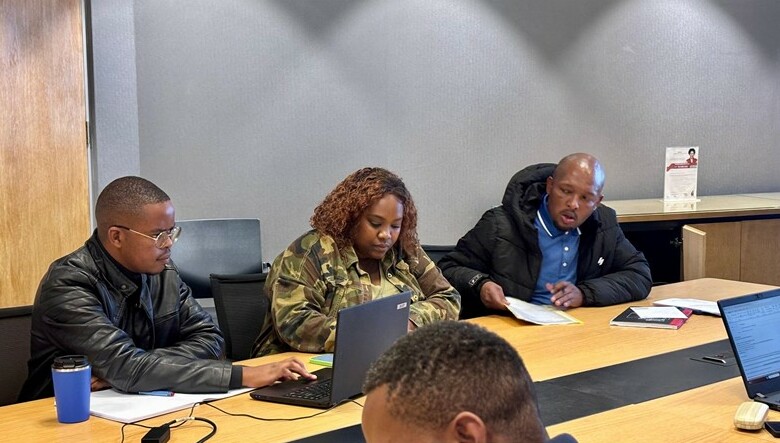
Tshwane’s Illegal Township Mayoral Sub-Committee has launched a new effort to address one of the metro’s most pressing challenges – the spread of unlawfully developed townships.
The committee will begin meeting with landowners and residents of 17 identified illegal settlements this week, aiming to find long-term, lawful solutions that balance urban renewal with community needs.
During a meeting on October 21, the committee announced its intention to start engagements with the legal representatives of the landowners of 17 identified illegal townships on October 23.
The 17 illegally established townships/developments are primarily within the city’s boundaries.
These engagements are to assess the status of the illegal townships within the municipality towards developing mechanisms and measures to correct the illegality.
Alderman Aaron Maluleka, committee chairperson and MMC for Human Settlements, said the second phase of the consultation will take place in the form of public hearings, where affected residents will meet with the sub-committee from November 1.
“The townships now face a host of serious challenges, such as inadequate access to water, electricity, sanitation and roads.
“They further face challenges related to poor spatial integration and service delivery backlogs, increased pressure on over-burdened municipal infrastructure, and safety concerns linked to unlawful land occupation and overcrowding,” Maluleka said.
Maluleka asserted that it’s the committee’s mandate to identify and profile all illegal townships within the city.
He encouraged landowners of such townships to engage with the committee to facilitate constructive dialogue and collaborative solutions.
“Many of the settlements are developed on either Council-owned, private land or land owned by other organs of state, without adherence to the legal framework governing land development and township establishment.
“In most cases, formal township applications were not submitted, environmental and planning approvals were bypassed, and essential bulk infrastructure services were neither planned nor installed,” he said.
He also stressed that all stakeholders’ participation and compliance are needed for their efforts to be successful.
“This is about what we can do with the current situation because these illegal townships are consuming our services on a day-to-day basis, and we’re losing a lot of money.
He stressed that they were not encouraging people to continue invading land.
“City planning must help us and not allow people to build without building plans. That should be the first stop, even if it’s private land.
He added that the TMPD must also assist, saying, “There can’t be further expansions. We need to cap off these expansions at the lands we’ve identified.”
Committee member and MMC for Corporate and Shared Services, Kholofelo Morodi, said that these townships pose great risks to residents should they be permitted to exist as is.
ALSO READ: Bronkhorstspruit tavern shooting suspect caught, another at large after tragedy
Do you have more information about the story?
Please send us an email to bennittb@rekord.co.za or phone us on 083 625 4114.
For free breaking and community news, visit Rekord’s websites: Rekord East
For more news and interesting articles, like Rekord on Facebook, follow us on Twitter or Instagram or TikTok.