Illegal Ga-Rankuwa pipelines removed to protect Tshwane water supply
Nine unauthorised connections were disconnected, highlighting risks of theft to network efficiency, pressure, and service delivery across the city.
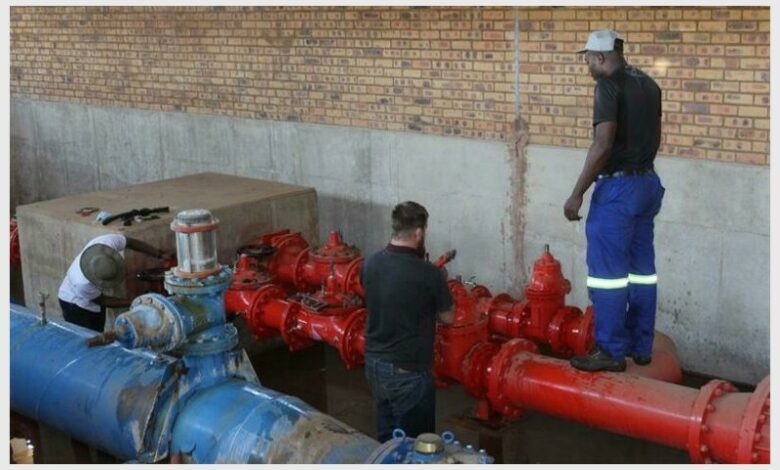
The Tshwane metro has intensified its efforts to curb illegal water connections that continue to threaten the stability and reliability of its water supply system.
The latest enforcement operation focused on the Ga-Rankuwa Industrial network.
The metro’s regional Water and Sanitation team disconnected nine unauthorised water connections and removed more than 200m of illegally installed piping from a 200mm distribution line supplying the Ga-Rankuwa Industrial area.
According to the metro, the illicit pipeline was diverting large volumes of water to Kgabalatsane, an informal settlement situated in the neighbouring North West Province.
Illegal connections such as this have far-reaching consequences for legitimate consumers and the municipality’s financial sustainability.
These unauthorised pipelines not only reduce water pressure and disrupt service reliability, but they also contribute to non-revenue water losses, one of the key challenges affecting municipalities across the country.
Tshwane spokesperson Lindela Mashigo said such illegal activities pose a serious risk to the city’s water infrastructure.
“These unlawful connections undermine our network’s efficiency and compromise service delivery.
“They also increase the risk of contamination, frequent pipe bursts and accelerated infrastructure wear, which leads to costly repairs and service interruptions,” said Mashigo.
The metro has ramped up its monitoring and enforcement programme, prioritising high-risk areas and municipal boundary zones where cross-border tampering is most prevalent.
Joint operations with law enforcement agencies and collaboration with neighbouring municipalities are being reinforced to tackle water theft that often extends beyond the metro’s jurisdiction.
Mashigo emphasised that these efforts form part of a broader strategy to protect critical water infrastructure and ensure all the water supplied to the city reaches paying consumers fairly and sustainably.
“We are committed to building a more efficient and equitable municipality where residents can rely on consistent service without losses caused by theft and vandalism,” he said.
The metro is also calling on residents, businesses, and community leaders to play an active role in reporting suspicious activities that may involve water theft or infrastructure tampering.
Communities are urged to report illegal connections or vandalism to the TMPD on 012 358 7095/7096. All reports, the city assures, will be treated confidentially and investigated thoroughly.
The municipality has reaffirmed that it will continue conducting regular inspections, pipe tracing, and by-law enforcement drives across all regions to deter future incidents.
“Every illegal connection we remove is a step toward a more sustainable and reliable water network,” said Mashigo.
Do you have more information about the story?
Please send us an email to bennittb@rekord.co.za or phone us on 083 625 4114.
For free breaking and community news, visit Rekord’s websites: Rekord East
For more news and interesting articles, like Rekord on Facebook, follow us on Twitter or Instagram or TikTok.