Community reclaims Fleur Park
From planting succulents to restoring benches, Lyttelton neighbours are working together to revitalise Fleur Park, fostering connection, safety, and a sense of shared ownership.

Fleur Park in Lyttelton Manor is beginning to bloom again thanks to the commitment of its residents who have taken ownership of their shared community space.
What was once a neglected park where litter accumulated, fences were broken, and safety concerns grew is slowly being transformed into a place of pride, colour, and connection.
The initiative was initially spearheaded by resident Anel du Preez, with support from members of the Lyttelton Ratepayers Association. It has since grown into a community-driven project focused on restoring Fleur Park to its full potential as a safe and welcoming public space.
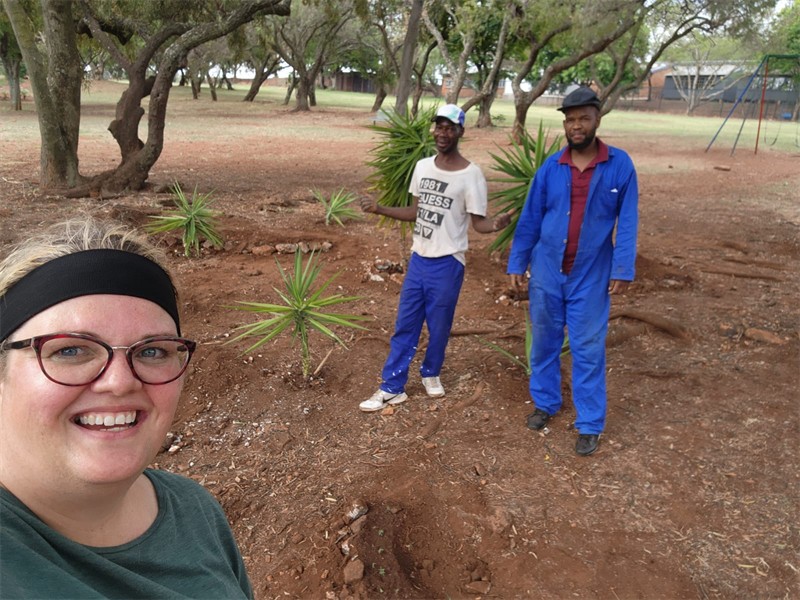
For Du Preez, the inspiration behind the project began with a personal need.
She explained that she wanted a better and safer place for her two young boys to play, as the park had become unsafe with broken glass scattered on the ground and neglected surroundings.
“Over time, this desire turned into something far greater. While it began as a personal effort, it evolved into a movement that aims to bring neighbours together again,” she said.
Du Preez noted that many residents have become isolated behind fences, and the park offers the perfect opportunity for people from different backgrounds to connect, talk, and work together toward something meaningful.
“Fleur Park is positioned in the heart of Lyttelton, surrounded by a school, a church, a guest house, and family homes. It has always had the potential to serve as a vibrant community hub,” she said.
“Each afternoon, schoolchildren from the nearby primary school gather there to wait for their transport, while taxis park around the edges of the park for long periods.”
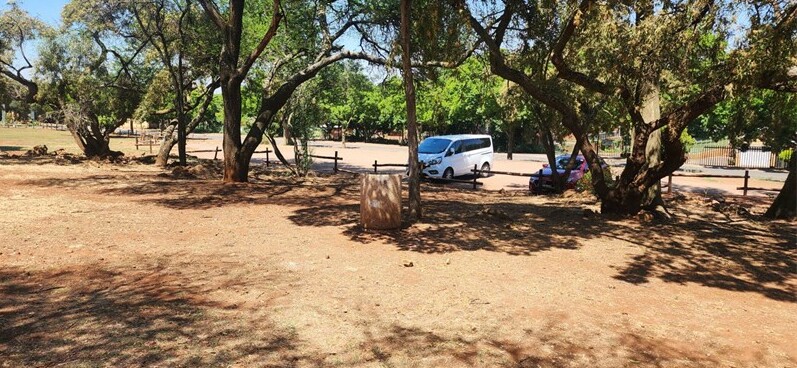
According to her, the park has faced challenges that have limited its use for years.
She noted that this has led to concerns about safety, as unsupervised children often play near the road.
Informal vendors have also allegedly set up stalls selling sweets and snacks, contributing to litter being left behind.
In addition to the daily school activity, the park is used by residents who walk their dogs or play sports.
Du Preez shared her concerns that it has also attracted people who drink alcohol and braai in the evenings, leaving behind broken bottles and burnt coals.
“Some homeless individuals have also sought shelter there, which has created further safety concerns. Over time, the park’s condition declined, and vandalism, littering, and unsafe behaviour became common.”
She said that rather than waiting for the situation to worsen, residents decided to take action and step in.
The project now focuses on maintaining and beautifying the park within the guidelines of municipal by-laws.
“This includes cleaning the park, removing litter, and maintaining flowerbeds,” she said.
She added that while large-scale renovations are not yet possible, the small improvements already being made are changing how people see and use the space.
The community has also received strong support from the Tshwane Metro.
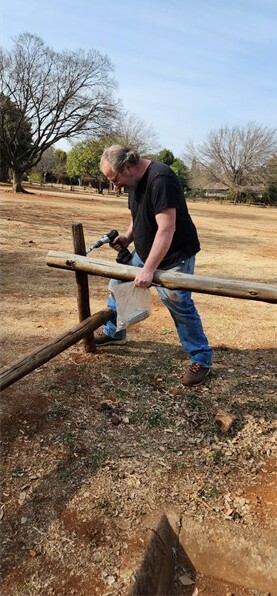
Du Preez stated that the municipality was enthusiastic about their initiative and offered to supply paint so that benches and swings could be restored. She said that the local municipal team in their sector was excited to help and willing to work with the residents.
“Every Tuesday, small groups of residents gather to clean, plant, and maintain the park.
“Some offer their gardeners for a few days each month to assist. Others bring tools, plants, or paint.
“A resident with experience in landscaping has volunteered to develop a maintenance plan for the park, which will help guide future work,” she added.
The long-term vision for Fleur Park is both practical and imaginative.
She said that one of their goals is to one day include a small bike track where children can safely ride and play without going into the street.
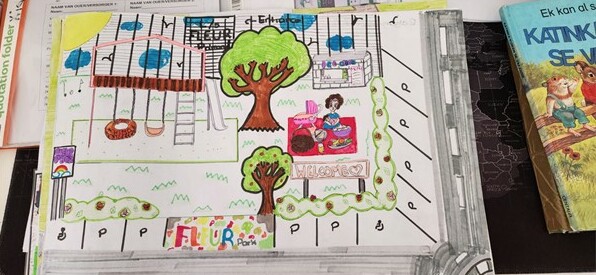
Residents also want to introduce developmental elements that encourage learning and creativity. She added that it is essential for the park to be a safe space so that more residents can use it regularly.
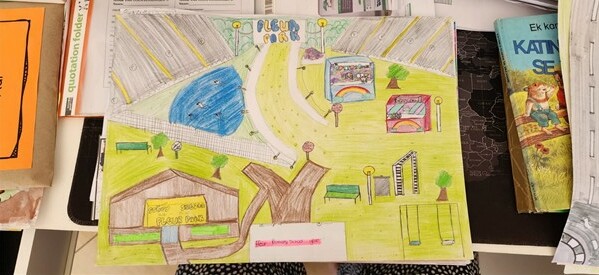
“To make the project manageable and encourage more people to get involved, the park has been divided into sections.
“Each section can be adopted by residents who agree to take care of it for a year. They are encouraged to come up with their own ideas for their area, using plants, decorations or creative designs from their gardens.”
Du Preez explained that after 12 months, residents can either continue with their area, hand it over to someone new, or help mentor another volunteer.
She said the idea is to give people the freedom to make decisions and take responsibility while keeping the municipality informed of all developments, since it is still their park.
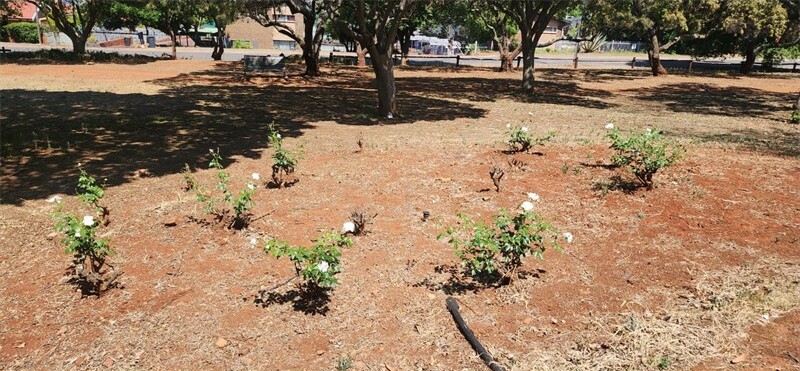
Another important part of the project is sustainability. With water shortages being a recurring issue, residents are choosing to plant drought-resistant species such as succulents and cacti.
“This ensures that the park can remain green and attractive without placing additional pressure on water resources.”
Du Preez believes that the energy and enthusiasm of the volunteers are proof that communities can create change through collective effort.
“The revitalisation of the park is being done in phases, with each step designed to engage residents and strengthen community spirit.
“Each phase builds on the last, slowly creating a safe, beautiful, and welcoming space that everyone can enjoy,” she said.
While the current focus remains on Fleur Park, she added that the goal is to eventually expand to other parks in Lyttelton.
Do you have more information about the story?
Please send us an email to bennittb@rekord.co.za or phone us on 083 625 4114.
For free breaking and community news, visit Rekord’s websites: Rekord East
For more news and interesting articles, like Rekord on Facebook, follow us on Twitter or Instagram or TikTok.