Leaks, losses, and blame: Metro’s deepening struggle to save water
As nearly 40% of the city’s water goes to waste, the metro promises urgent repairs and new technology to stem the flow – but trust remains low.
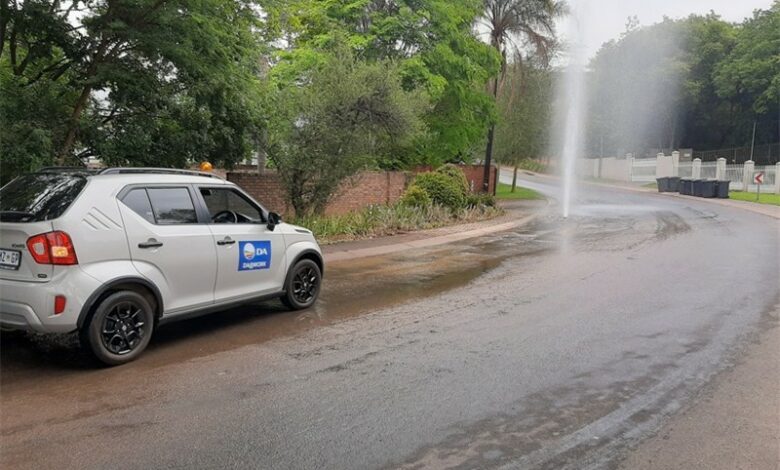
Pretoria’s mounting water losses have reignited public outrage, with officials and opposition parties trading blame over the capital’s crumbling infrastructure and growing repair backlog.
Former Mayor Cilliers Brink said the city is losing almost 39% of the water it buys for residents, an increase of four percentage points over the past year.
“That means four out of every 10 litres of clean water never reaches a tap,” Brink said.
“A recent council report indicates there are around 10 000 unattended leaks, and only a fraction are fixed on time.”
Brink accused the current ANC-led coalition of diverting money away from essential maintenance towards water tanker contracts and security tenders.
“Instead of fixing the leaks, the administration has increased spending on water tankers and security companies that benefit their patronage network,” he said.
“DA councillors are fighting to force the municipality to attend to leaks because that’s the only short-term way to ensure taps don’t run dry.”
He said they will redirect money from corruption and waste to repair infrastructure and restore water to residents.
In response, Tshwane metro spokesperson Lindela Mashigo confirmed that the latest audited figure for non-revenue water losses is still undergoing internal verification as part of the city’s annual water balance assessment.
He, however, emphasised that efforts are underway to reduce these water losses.
“The metro continues to implement targeted interventions to progressively reduce non-revenue water through network maintenance, metering accuracy, and enforcement against illegal connections,” Mashigo said.
He added that 443 reported leaks from the 2024/25 financial year remain outstanding, with repair teams working to resolve them within an average of 48 hours.
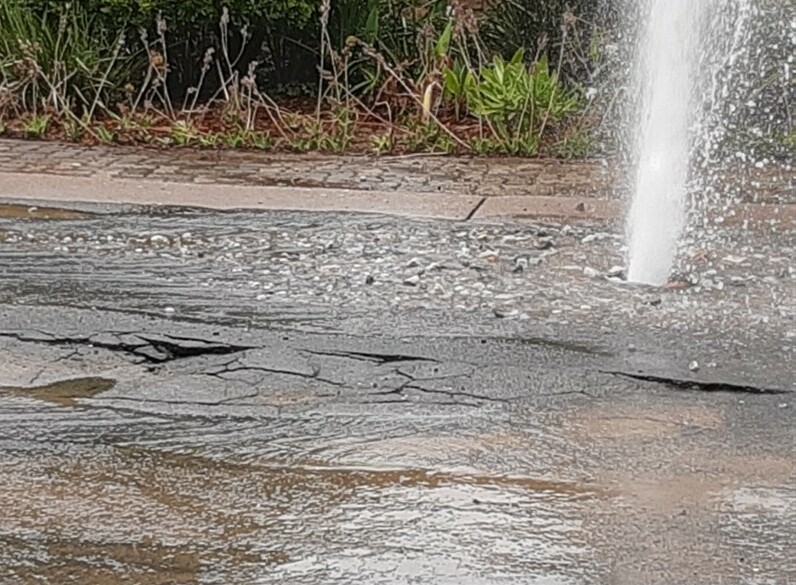
Mashigo said the metro has mobilised additional resources to fast-track repairs.
He conceded that aged infrastructure, illegal connections, and leaks on the reticulation network remain the main causes of water losses.
“The metro has prioritised replacing critical pipeline sections and intensified enforcement operations to curb unlawful connections, particularly in high-loss zones,” he said.
“We recognise that ageing pipes and infrastructure failure are a major challenge, and we are addressing them through an ongoing replacement programme.”
To manage high consumption levels in certain areas, the metro is installing pressure-management systems and conducting community awareness campaigns to promote responsible water use.
Mashigo said metering audits are also being carried out to ensure accurate billing and to identify irregular consumption patterns.
“Public education programmes are ongoing and have yielded positive results,” he added.
He noted that leak-detection technology and smart metering form part of the city’s plans to detect wastage early.
Residents, however, remain sceptical.
Helen Alpino, a DA aspirant councillor, said the metro’s slow response undermines its own conservation efforts.
“Pressure release valves are being installed in Lynnwood Ridge, Murrayfield, and Equestria as part of the Water Reticulation Project, and sectorisation is being done to eliminate low pressure,” Alpino said.
“A pressure continuation system is being introduced to minimise pipe bursts.”
She said that despite notifying the metro immediately about major leaks, officials arrived far too late to prevent enormous waste.
Alpino described the situation as ‘deeply frustrating’, saying residents are urged to save every drop under water restrictions while the metro shows little urgency in protecting this precious resource.
“The metro’s administration cannot preach conservation while allowing such neglect of vital infrastructure,” she said.
Mashigo confirmed that a comprehensive plan is in place to improve water management over the next financial year, including pipe replacement, smart metering, system audits, and preventive maintenance.
The plan, he said, aligns with the city’s broader goal of achieving a sustainable reduction in water losses and improving infrastructure reliability.
ALSO READ: Mamelodi youth leader joins global gender equality network
Do you have more information about the story?
Please send us an email to bennittb@rekord.co.za or phone us on 083 625 4114.
For free breaking and community news, visit Rekord’s websites: Rekord East
For more news and interesting articles, like Rekord on Facebook, follow us on Twitter or Instagram or TikTok.