Faulty Olievenhoutbosch prepaid meters to be replaced
MMC Frans Boshielo says the phased replacement project will restore accurate billing and lay the groundwork for future modern metering systems.
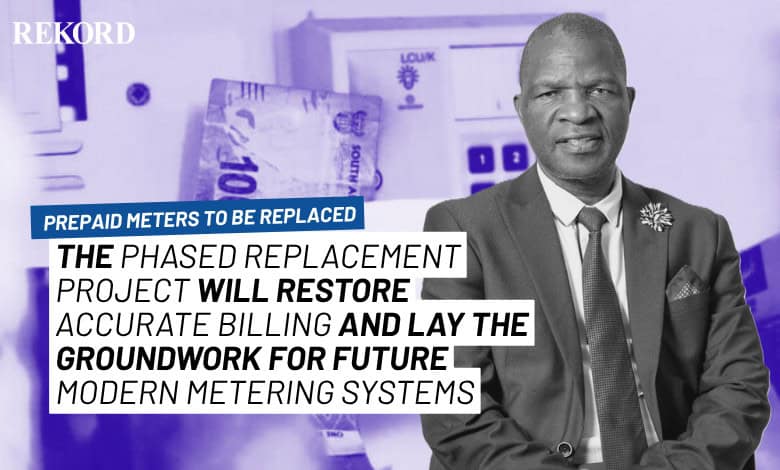
The metro has stepped up efforts to improve water service delivery in Region 4 by replacing faulty prepaid water meters in Olievenhoutbosch.
MMC for Utility Services Frans Boshielo said the project aims to address longstanding issues linked to the prepaid meters.
The meters were installed in the area during the early 2000s as part of a pilot project.
He said around 11 200 meters were introduced at the time, to promote responsible water consumption, reduce water wastage, and ensure residents paid only for the water they used.
“However, over time, the prepaid meters began to deteriorate due to faulty batteries, defective electronic components, and vandalism.”
Boshielo said these failures led to substantial water losses and a decline in revenue collection for the city.
He added that the issue had become both a service delivery and financial concern for the municipality.
“Reliable revenue from water services is critical for the city to provide essential services, maintain infrastructure, and invest in sustainable water management systems,” he said.
“To address these challenges, the current Multiparty Coalition Government, through the Mayoral Committee, has resolved to replace all faulty prepaid meters with conventional ones.”
The MMC said the intervention would help restore accurate billing, improve service reliability and strengthen the city’s financial position.
Installation work has already begun in Olievenhoutbosch.
According to Boshielo, once the first 10 meters are successfully replaced and tested, the metro will resume normal tariff billing as approved by the council.
He said the replacement process would be implemented in phases to ensure strict quality control and minimal disruption to residents.
Boshielo also called on residents of Ward 106 to co-operate with metro officials and allow them to complete the necessary work.
“Every effort is being made to expedite the completion of the project.”
He added that this initiative is not the end of prepaid water metering in the city but rather a step toward improvement.
“This project will lay the foundation for the future reintroduction of modern prepaid metering systems that are more reliable and tamper-proof,” he said.
PR Councillor Adriana Randall explained that one of the contributing factors to the metro’s water revenue losses in Olievenhoutbosch was linked to the old tariffs still being charged on the prepaid water meters.
Randall alleged that the metro had continued using outdated tariff structures on the prepaid meters instead of the current council-approved ones, meaning it was not collecting water revenue at the correct or updated rate.
“The water tariffs linked to prepaid water meters that were charged in Olievenhoutbosch were the old tariffs, not the current approved ones, and they contributed significantly towards water revenue losses for the city,” she said.
She said this was one of the key reasons the current prepaid meters are being replaced.
Randall also noted that after visiting residents in the area, many expressed concern about switching to conventional meters and having to pay for water directly.
“I visited residents recently, and many from unemployed households who may struggle financially are worried about paying for water with conventional meters.”
She added that there was an urgent need for qualifying residents to register for indigent support to ensure they receive financial relief for municipal services.
Jabulani Skhosana from Ext 15 said the metro’s decision to replace faulty prepaid meters was welcome, but it came with mixed feelings in the community.
He explained that while the change could improve accuracy and prevent billing issues, some residents feared the financial implications of moving to conventional meters.
“Many of us have been used to managing our water usage through prepaid meters, and it helped us control spending,” said Skhosana.
He said residents were now anxious about receiving monthly bills and possibly facing disconnections if they could not afford to pay on time.
However, Skhosana acknowledged that the new system could bring benefits if it were properly managed and supported by the metro.
“If this change means we will finally get a consistent water supply, accurate billing, and less frustration with faulty meters, then we can support it,” he said.
He also urged the city to educate residents about the new system and ensure that indigent households are properly registered for assistance before the transition is completed.
Do you have more information about the story?
Please send us an email to bennittb@rekord.co.za or phone us on 083 625 4114.
For free breaking and community news, visit Rekord’s websites: Rekord East
For more news and interesting articles, like Rekord on Facebook, follow us on Twitter or Instagram or TikTok.