UP-Cycled event showcases students creativity
Consumer and Food Science students transformed surplus food into innovative products at the UP-Cycled 2025 event, showcasing sustainability, food rescue partnerships, and student-led solutions to hunger.
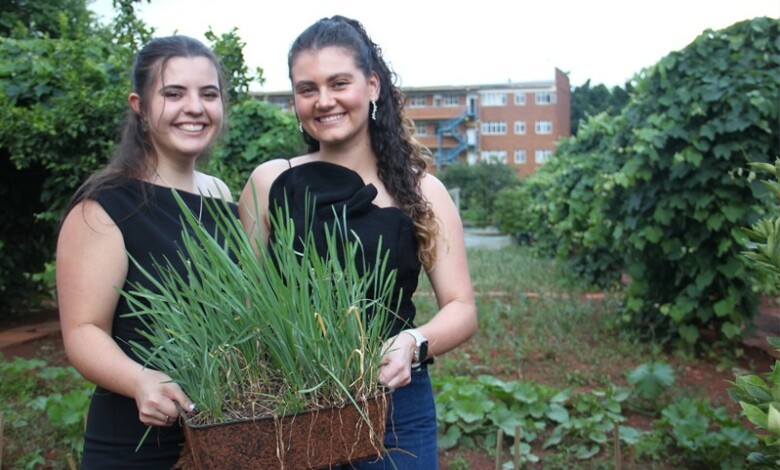
The University of Pretoria’s Department of Consumer and Food Science hosted its annual UP-Cycled graduation function for fourth-year students, marking a vibrant celebration of sustainability.
The event, known this year as ‘UP-Cycled 2025: From Landfill2Runway’, showcased how rejected or surplus food can be transformed into new consumer products instead of being sent to landfill sites.
Upcycling, the central theme of the initiative, highlights how surplus can become opportunity. New menu items can be created, unused food can be donated to partners such as the food-rescue organisation, SA Harvest, and tracking systems can be put in place to map where surplus food goes.
Lecturers in the department have consistently emphasised that sustainability is not an add-on but a way of thinking for students.
The department has positioned itself as one of the best at UP in integrating sustainability across research, teaching and learning, and the UP-Cycled event is a living demonstration of that commitment.
Lecturer in Sustainable Consumption and Food Retail, Nadene Marx-Pienaar, described the event as ‘a feast of celebration’.
She explained that the department’s partnership with food rescue organisation, SA Harvest, began in 2023, when a team from the department met with the organisation, and a dynamic platform began to evolve to extend the organisation’s vision to fight hunger.
She said she was raised with the adage ‘waste not, want not’, which inspired the theme of the first UP-Cycled event.
This year’s theme, ‘From Landfill2Runway’, pushed the boundaries even further by challenging students to consider not only the prevention of waste but the innovation that can arise from it.
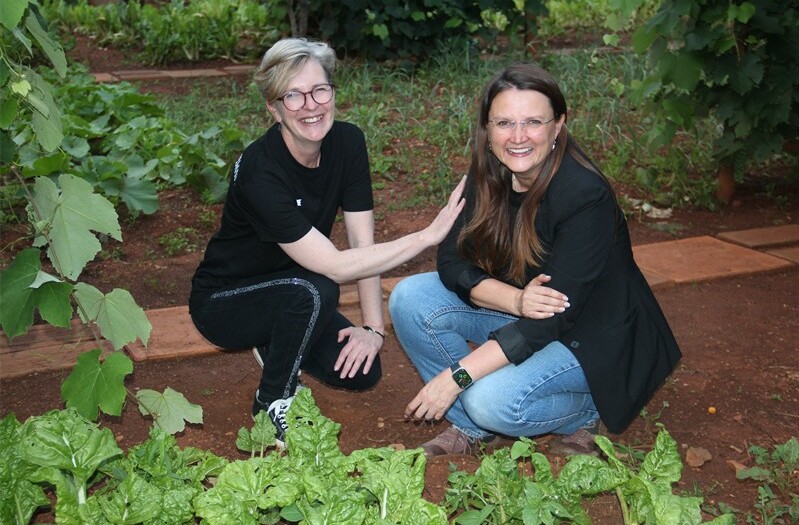
Marx-Pienaar outlined how surplus food can be rescued and redesigned into new, desirable products that prevent waste while meeting consumer needs.
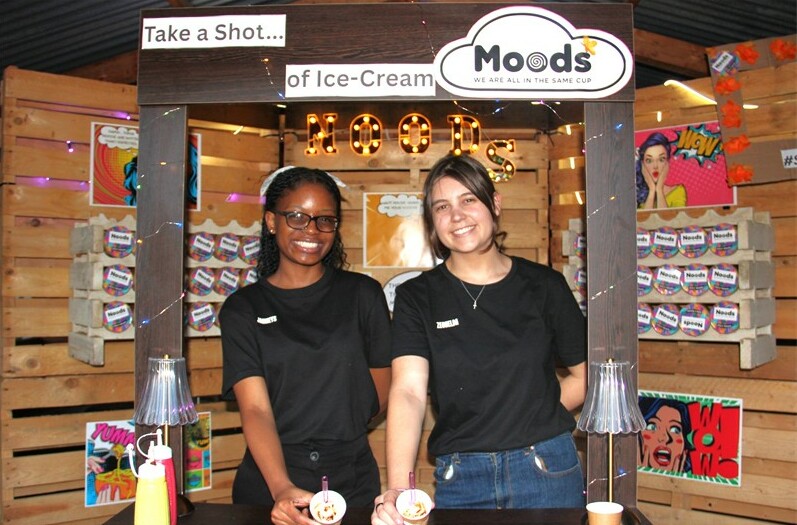
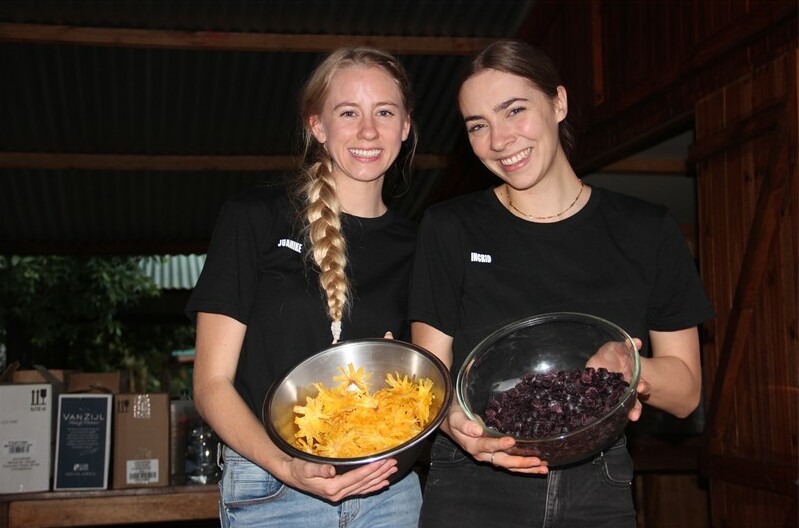
She thanked students for their inspired redesigns of food products that were showcased, including vegan ice cream, a combined dish of dried vegetables, health and beauty blocks made from nutrient-dense ingredients such as dried kale, and a wholesome noodle product.
With rising student hunger becoming an increasingly urgent issue, she said she appreciated the students’ commitment to tackling this challenge on campus.
She also thanked the project’s sponsors, noting how the initiative had grown from 13 sponsors three years ago to 33 this year, many of whom are alumni already offering students a helping hand as they enter the industry.
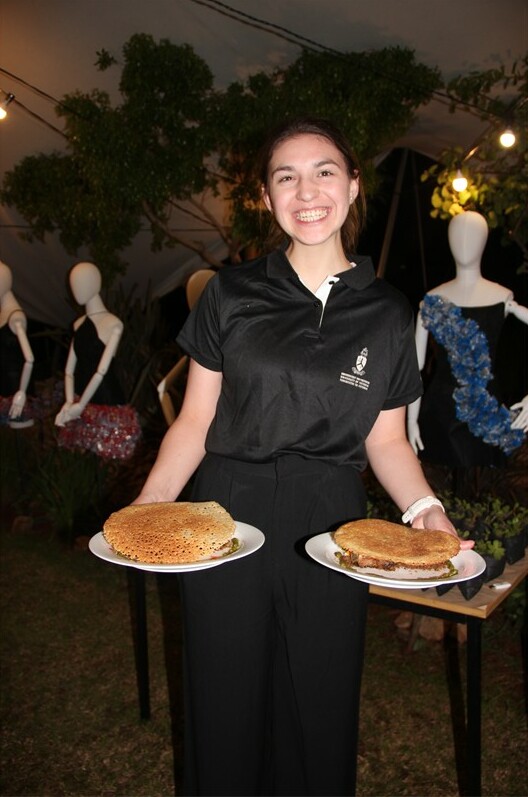
Marx-Pienaar revealed that from March alone, students in the department had plated 19 743 plates of food across various projects, illustrating their teamwork, creativity and willingness to push boundaries.
Lecturer Nadine du Pisanie addressed the audience with a request to support the Jackets of Hope project, which provides chef’s jackets to first-year students who cannot afford them.
“A jacket for a chef shows respect, safety and professionalism.” She explained how the project helps ensure that all students enter their practical training with dignity and confidence.
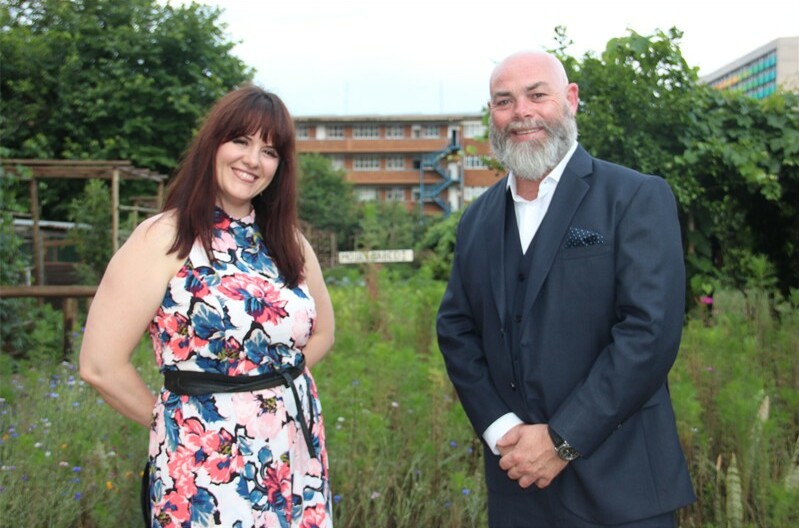
The CEO of SA Harvest, Ozzy Nel, said the organisation was humbled to be associated with the department. He explained that SA Harvest rescues and stocks food that never makes it onto shelves and redistributes it to marginalised communities.
“In our organisation, we believe in upcycling as we believe it interrupts the supply chain to break the cycles of hunger. In South Africa, as we sit, 19 million South Africans do not know where their next meal will be coming from, while 10 million tons of food make their way to landfill.”
He expressed confidence in the students’ work, adding, “We must not underestimate young people helping traumatised communities. These students are rising stars who will leave a legacy.”
Food waste in the retail industry remains a significant challenge. Between 30% and 40% of all food produced is lost or wasted, with 13% lost before it even reaches retailers.
Strict quality standards, overstocking and poor inventory turnover continue to contribute to this loss, making initiatives such as UP-Cycled vital in demonstrating realistic solutions.
The event was fittingly held at Moja Gabedi at 384 Festival Street in Hatfield, a location that carries its own powerful story of transformation.
Once an unofficial rubbish dump and a hotspot for illegal activity, the site has been revitalised into a thriving community engagement hub through the efforts of UP’s Unit for Community Engagement.
Just four years ago, Moja Gabedi lay buried under 3 000 tons of garbage. Today, it stands as a green haven where community members harvest fresh, organic produce, students conduct research and engagement projects, and residents enjoy a safe, natural space.
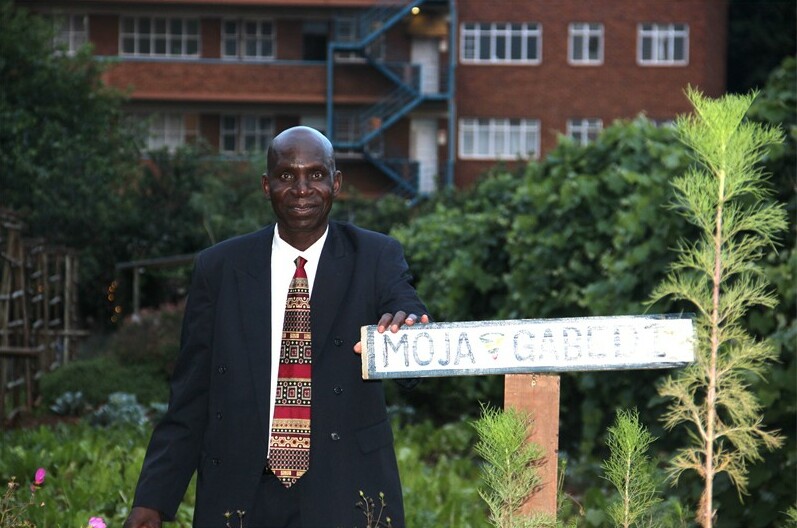
Manager Innocent Chauke, who began working at Moja Gabedi during the early stages of its rejuvenation in 2020, said he has witnessed how its transformation has changed people’s lives.
“The production of organic vegetables and fruit for the community is an achievement,” he said.
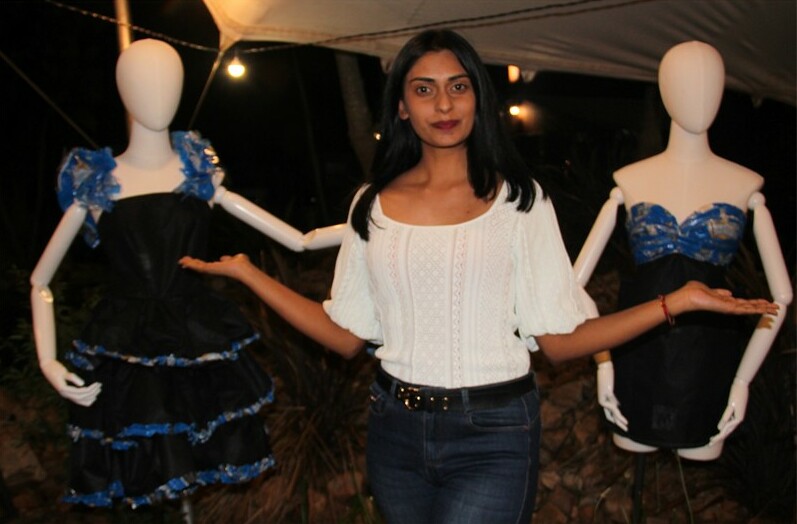
The event was also graced with creations from the department’s fashion design students who took recycled materials, such as bread bags, to make garments, showing their ingenuity to create sustainable fashion.
Do you have more information about the story?
Please send us an email to bennittb@rekord.co.za or phone us on 083 625 4114.
For free breaking and community news, visit Rekord’s websites: Rekord East
For more news and interesting articles, like Rekord on Facebook, follow us on Twitter or Instagram or TikTok.