Onderstepoort showcases veterinary achievements
The University of Pretoria’s Faculty of Veterinary Science continues to set the benchmark for veterinary care and wildlife research in South Africa. With its mix of groundbreaking science, community engagement, and unforgettable animal stories, Onderstepoort proves that innovation and heart can go hand in hand.
Science journalists on a visit to the University of Pretoria’s Faculty of Veterinary Science recently got a rare behind-the-scenes look at a year packed with achievements in wildlife conservation, clinical innovation, and veterinary research.
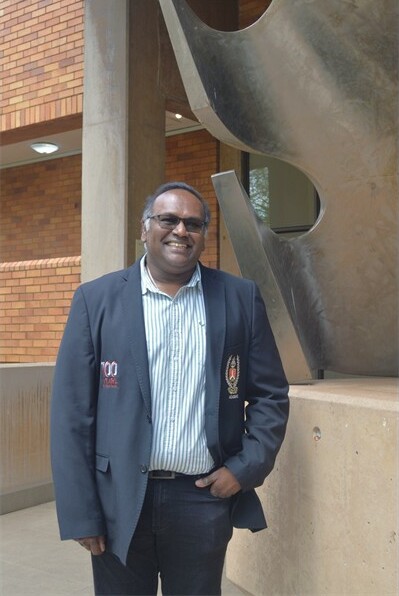
Professor Vinny Naidoo, dean of the faculty, greeted journalists with enthusiasm. “[Last year] has been a remarkable year for us,” he said.
“From wildlife breakthroughs to veterinary firsts, we have seen our research gain international recognition and our students make an impact that extends far beyond this campus.”
A highlight of the tour was visits to specialist units and the research done on wildlife. Since the opening of the Onderstepoort Wildlife Clinic in 2020, the first of its kind in South Africa, the clinic has become a hub for innovation in wildlife medicine.
In collaboration with the Care for Wild Rhino Sanctuary, the faculty performed South Africa’s first-ever CT scan on a live adult rhino, giving conservationists an unprecedented look at the animal’s health.
“The work we are doing on wildlife, as well as zoonotic diseases, has improved care for our iconic species,” Naidoo said. “It is research that directly benefits conservation and animal welfare across the country.”
He referred to the hands-on work students do at the Hans Hoheisen Wildlife Research Station (HHWRS) in the Lowveld. Nestled near Orpen Rest Camp in the Kruger National Park, HHWRS blends research, community engagement, and student training in one unique setting. Final-year veterinary students rotate through the station, gaining hands-on experience with wildlife under the guidance of expert veterinarians.
Naidoo described it as “a place where education, science, and community come together to make a real difference”.
At the Onderstepoort Cat Clinic, Dr Alfred Kgasi, director of Clinical Services at the Onderstepoort Veterinary Academic Hospital (OVAH), highlighted the clinic’s Gold Status accreditation from prominent food manufacturer Royal Canin.
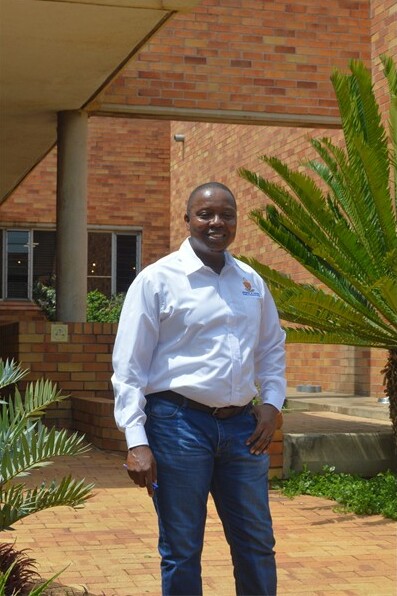
“This certificate recognises the high standards of care we provide to our feline patients, and the dedication of our staff,” he said.
But perhaps the star of the day was Njozi, a female cheetah from the Rietvlei Nature Reserve.
Njozi’s story has captured the hearts of visitors and wildlife enthusiasts alike. Relocated from the Garden Route Game Lodge in 2020, she has successfully raised several cubs, despite some heartbreaking losses.
In mid-2025, veterinarians performed surgery on a new fracture in her forelimb, complicated by a previous poorly healed break. Her recovery has been followed closely by the public, turning her into a symbol of hope and resilience.
“Njozi embodies the dedication of our conservation teams and the skill of our veterinary professionals,” Dr Kgasi said. “Her story reminds us why we do this work: to protect these incredible animals and inspire people to care about wildlife.”
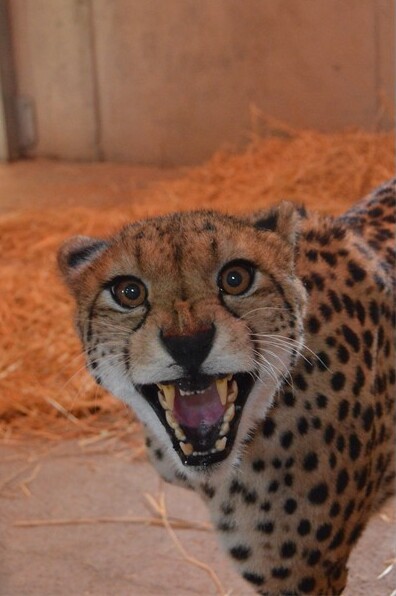
Prof Katja Koeppel confirmed to Rekord that Njozi will continue her rehabilitation at the Cheetah Conservation and Research Centre, ensuring she regains full strength.
Once a permit has been obtained by the Faculty of Veterinary Science from the Gauteng Department of Agriculture and Rural Development, Njozi will be relocated from the wildlife unit at Onderstepoort to the Centre near De Wildt, Hartbeespoortdam.
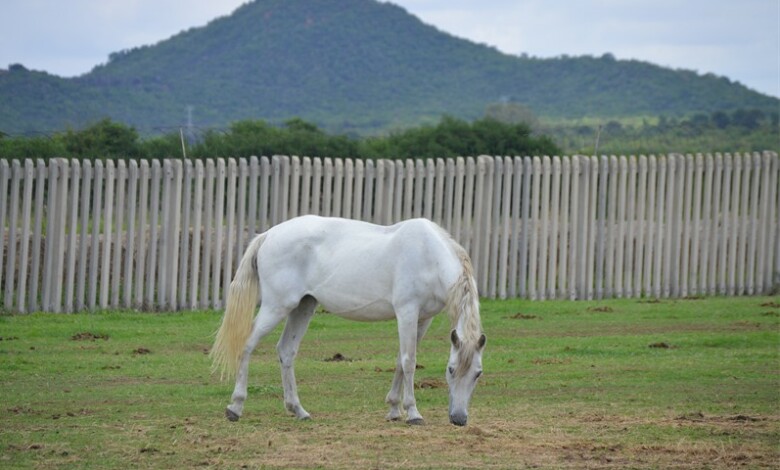
Researchers in the Section of Reproduction achieved South Africa’s first successful equine pregnancies using in-vitro derived embryos, a breakthrough that could help preserve genetic diversity and develop assisted reproductive technologies in the country.
Beyond the science, the faculty’s media tour highlighted the human side of veterinary work. Students, conservationists, and veterinarians shared their daily challenges and triumphs, from treating endangered species to mentoring the next generation of wildlife veterinarians. The energy and passion were palpable.
“Our work is not just about treating animals,” Kgasi said in closing. “It is about research, education, conservation, and making a lasting impact. Every milestone, from Njozi’s recovery to breakthroughs in equine reproduction, shows what can happen when expertise meets commitment and compassion.”
Do you have more information about the story?
Please send us an email to bennittb@rekord.co.za or phone us on 083 625 4114.
For free breaking and community news, visit Rekord’s websites: Rekord East
For more news and interesting articles, like Rekord on Facebook, follow us on Twitter or Instagram or TikTok or WhatsApp Channel