Misuse, not neglect, is cause of sewerage at north entrance
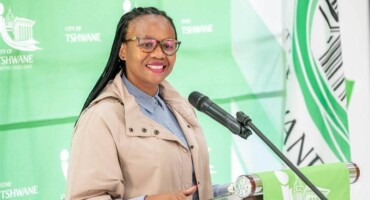
The Tshwane metro has shifted the blame for repeated overflows away from municipal failure – and onto residents. The city insists CCTV inspections show the pipe is sound, arguing that foreign objects flushed into the system are the real cause.
Despite the recent repair of the long-troubled sewer collapse at Pretoria North’s main entrance, the Tshwane metro insists the recurring problems are not the result of municipal neglect, but rather ongoing misuse of the sewer system by residents.
This comes after months of frustration, traffic congestion and foul smells caused by repeated sewer overflows under the bridge along Rachel de Beer Street, near East Street, one of the busiest access routes into Pretoria North.
Metro spokesperson Lindela Mashigo said the municipality has now provided a detailed explanation addressing concerns raised by residents, AfriForum’s North branch and Ward 2 Councillor Quentin Meyer. This follows claims that the problem had resurfaced repeatedly despite earlier assurances that repairs were complete.
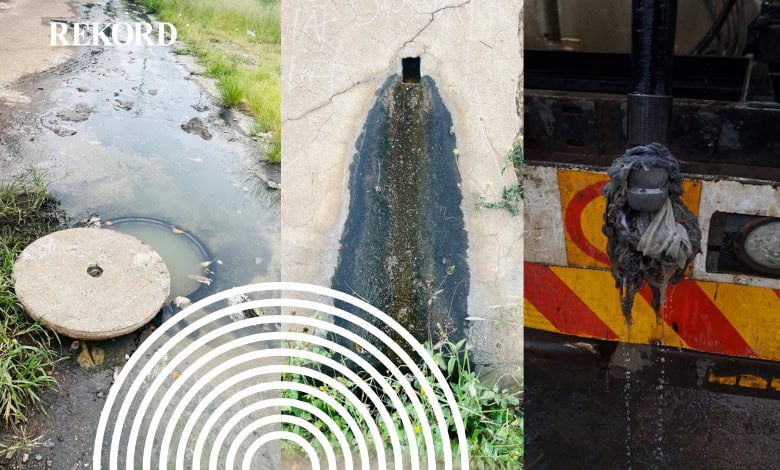
According to the metro, the recurrence of sewer overflows at 215 East Street are largely caused by residents disposing of foreign objects into the sewer system, particularly industrial cloths.
Mashigo said that each time municipal teams were dispatched to clear blockages, jetting equipment removed cloths clogging the pipes, leading to backups and spillages over the bridge embankment.
“The recurrence of the sewer blockages is caused by the disposal of solid or foreign objects into the sewer system, which clogs the system and ultimately results in blockages,” said Mashigo.
The metro further clarified that the collapsed pipe under Rachel de Beer Street was effectively repaired through an in-house relining process, conducted by municipal teams.
This approach, according to Mashigo, saved the metro from paying external contractors while addressing a complex and hazardous engineering problem.
Residents have continued to report water flowing from the side walls of the retaining wall near the repaired section.
The metro explained that this is stormwater, not sewage, and that seepage from the retaining wall has contributed to a new pothole forming in an already weakened section of the road.
Ward 2 Councillor Quentin Meyer acknowledged that while the pipe replacement and trench closure were major milestones, concerns remain about the surrounding infrastructure.
The metro confirmed that the sewer blockage at 215 East Street has been logged five times on its backlog system since December 2024.
Each incident was given priority in line with standard service-level agreements for sewer blockages.
Mashigo noted that response times were sometimes delayed due to restricted access to a manhole at 228 Howard Street, where locked gates prevented immediate entry.
He said the regional foreman signed off on previous repairs and that evidence shows the work was completed, according to the approved scope.
Mashigo stressed that the failures were not due to poor workmanship, but rather the difficult location of the pipe, which is boxed in concrete to support heavy traffic above.
“This was not a basic repair. It involved significant risks and hazards. Internal teams worked extensively to solve a complex engineering challenge, saving the metro money while addressing a persistent problem.”
While some residents believe repeated collapses point to structural failure, the metro maintains that CCTV inspections conducted after repairs confirmed the pipe was sound.
The inspections, Mashigo said, showed that foreign objects – not structural defects – were responsible for ongoing blockages.
Pretoria North resident Werner Louw said residents are cautiously optimistic but remain sceptical.
“We’ve heard explanations before, and we’ve seen repairs fail before.
“We just want to know that this fix will last and that we won’t be dealing with sewage again at the main entrance in a few months’ time,” he said.
“For months, that road was almost undriveable, and the smell was unbearable.”
Addressing concerns about risk management, the metro acknowledged that all sewer spillages pose health and environmental risks and reiterated that the standard turnaround time for attending to sewer blockages is 24 hours.
Mashigo said both stormwater seepage and sewage spills have likely weakened the road structure over time.
The Roads and Stormwater Department is expected to repair the pothole and damaged surface next month. The municipality added that all construction work is subject to a legally permitted defect liability period.
The metro urged residents to stop disposing of foreign objects into the sewer system and said it will engage Councillor Meyer to roll out a local awareness campaign.
“This sewer line services only a small portion of Pretoria North. With co-operation from residents, these blockages can be prevented.”
Do you have more information about the story?
Please send us an email to bennittb@rekord.co.za or phone us on 083 625 4114.
For free breaking and community news, visit Rekord’s websites: Rekord East
For more news and interesting articles, like Rekord on Facebook, follow us on Twitter or Instagram or TikTok or WhatsApp Channel