Relief for Region 1 informal settlements as metro deploys chemical toilets
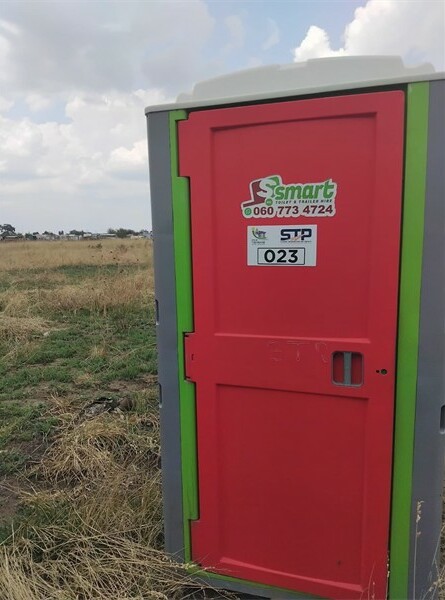
The chemical toilets are meant to improve basic sanitation.
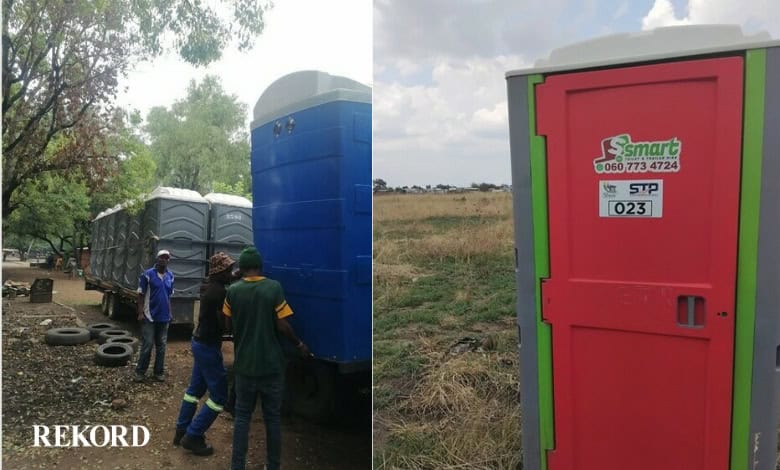
Residents living in informal settlements in Region 1, north of Pretoria, are set to benefit from improved sanitation support following the rollout of chemical toilets by the Tshwane metro as part of its interim sanitation programme.
The initiative forms part of the metro’s broader effort to improve access to basic sanitation services in informal communities while long-term infrastructure solutions are being developed.
According to Alderman Aaron Maluleka, MMC for Human Settlements, the metro has allocated 6 310 chemical toilets across all seven regions of Pretoria, including communities in Region 1.
The rollout comes after the appointment of 10 service providers under a new three-year contract for the hiring, servicing, delivery and relocation of the facilities.
Maluleka explained that the provision of chemical toilets is aimed at ensuring that residents living in informal settlements continue to have access to basic sanitation, especially in areas where full waterborne sanitation infrastructure is not yet available.
“The provision of rudimentary sanitation services is critical in protecting the health, safety and dignity of residents living in informal settlements.
“While the metro continues to work towards long-term infrastructure solutions, these interim measures ensure that communities have access to basic sanitation,” said Maluleka.
The sanitation intervention follows a reassessment conducted by the metro, which revealed an increase in the number of informal settlements across the metro.
While the 2021 Informal Settlements Strategy identified around 210 recognised informal settlements, the latest assessment indicates that the number has grown to 502 settlements, largely due to land invasions and the expansion of existing communities.
Residents in several informal settlements in Region 1 have welcomed the sanitation support, saying it will help improve hygiene and living conditions.
Maletsatsi Mofokeng, a resident from Marry Me informal settlement, said the additional sanitation facilities would make a noticeable difference in the community.
“For many families here, access to proper toilets has always been a challenge. Sometimes people have to walk long distances or share very few facilities.
“If the municipality can provide more chemical toilets and maintain them properly, it will really help improve our living conditions,” said Mofokeng.
Mofokeng said sanitation is one of the most urgent issues affecting informal settlements.
“Sanitation is about dignity and health. When there are not enough toilets, it becomes a serious health risk, especially for children and elderly people.
“We hope the metro will also make sure that the toilets are cleaned and serviced regularly so that they remain usable,” she said.
The municipality noted that chemical toilets play an important role in preventing environmental contamination and reducing the spread of sanitation-related diseases in areas where permanent infrastructure has not yet been installed.
Maluleka said the previous contract for the provision and servicing of chemical toilets expired on February 28, prompting the metro to appoint new service providers to ensure continuity of services.
The newly appointed contractors have already commenced operations to avoid disruptions in sanitation support.
Maluleka said the metro is also at an advanced stage of finalising plans to introduce new sanitation technologies in informal settlements.
These technologies are expected to gradually reduce reliance on chemical toilets by enabling the design and construction of alternative sewer-based sanitation solutions.
“The introduction of these systems will support the transition towards more sustainable sanitation infrastructure for informal settlements across the metro,” he said.
The metro has also urged residents to protect the sanitation facilities and report incidents of vandalism, theft or misuse.
He warned that damage to the facilities undermines service delivery and negatively affects the communities that rely on them for basic sanitation.
ALSO READ: Soshanguve residents frustrated by unresolved sewage issue
Do you have more information about the story?
Please send us an email to bennittb@rekord.co.za or phone us on 083 625 4114.
For free breaking and community news, visit Rekord’s websites: Rekord East
For more news and interesting articles, like Rekord on Facebook, follow us on Twitter or Instagram or TikTok or WhatsApp Channel