
Chiller failure at Steve Biko Academic Hospital causes major surgeries to be postponed
Soaring temperatures in surgical suites halt major orthopaedic procedures while emergency and shorter operations continue.
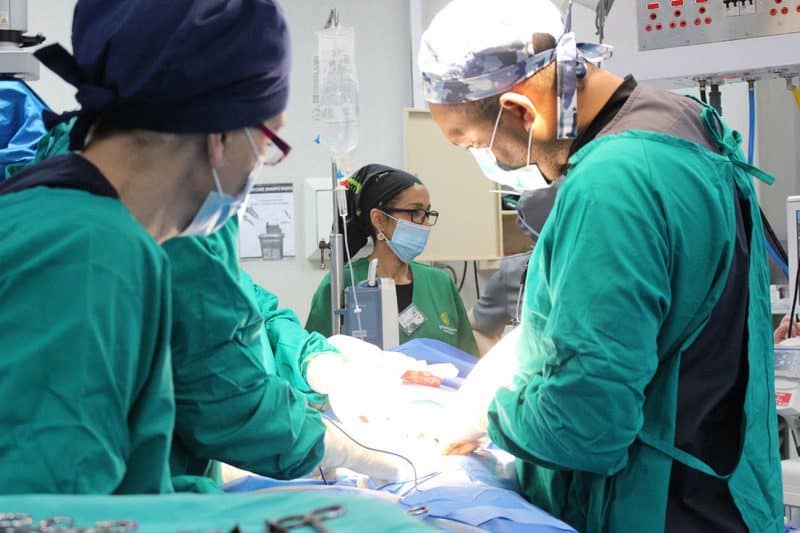
Emergency surgeries continue at Steve Biko Academic Hospital despite public concern over its failing chiller plant and air-conditioning system, said the Gauteng Department of Health (GDoH).
DA Gauteng spokesperson for health Madeleine Hicklin reported on October 26 that air-conditioning failures have delayed major orthopaedic surgeries because the hospital’s operating theatre complex air-conditioning system has failed.
”For the second time in less than 12 months, patients needing major orthopaedic surgery at Steve Biko Academic Hospital in Tshwane are facing severe surgery postponements because the hospital’s operating theatre (OT) air-conditioning system has collapsed. Hospitals, and particularly OT complexes, rely on an HVAC [heating, ventilation, and air-conditioning] system that runs through the building, controls heating and air quality, and limits the spread of airborne pathogens throughout the facility,” Hicklin said.
Hicklin also said that the DA has received numerous complaints from patients admitted to the hospital with broken bones whose operations were postponed because theatre temperatures could not be controlled.
”Proper temperature control is essential to reduce airborne infection risks, particularly during orthopaedic surgery involving bone. Orthopaedic patients have been told their surgeries are postponed until the problem is resolved. Shorter procedures continue, but complex fracture repairs and hip and knee replacements remain suspended. Theatre temperatures are reportedly well above 20°C, exceeding the stated requirement of around 18°C for infection control and safe conditions during lengthy operations,” Hicklin added.
DA demands accountability for hospital infrastructure
The DA in Gauteng has since called on Premier Panyaza Lesufi to hold MEC for Health Faith Mazibuko and MEC for Infrastructure Development Jacob Mamabolo accountable for the hospital’s infrastructure.
The party has also tabled questions to the health MEC to determine exactly how many of the hospital’s chillers were revamped, at what cost, and why the contractors responsible for their maintenance and repairs did not complete the full repairs.
GDoH spokesperson Steve Mabona said the department confirms surgical services have continued under the current conditions, but higher temperatures have made longer, more complex operations unsuitable for operators.
”The department continues to manage affected patients according to their clinical needs and facilitate access to appropriate care, including through contingency arrangements, while the infrastructure challenges are being addressed. The GDoH continues to manage the repair and replacement of the air-conditioning at the hospital. Five chillers will be replaced over a six-week period, while one additional chiller will be replaced over a period of three months,” Mabona said.
The spokesperson also said that the department acknowledges the concerns and impact that these infrastructure challenges have had on patients, staff, students and healthcare partners.
Hospitals implement contingency measures
Contingency measures, including the utilisation of other public hospitals, have also been implemented to ensure other surgical cases continue where appropriate.
The hospital’s waiting lists cover patients awaiting various orthopaedic procedures, including reconstructive and trauma surgery, joint replacement and upper-limb procedures. These lists help plan and manage procedures.
Do you have more information about the story?
Please send us an email to bennittb@rekord.co.za or phone us on 083 625 4114.
For free breaking and community news, visit Rekord’s websites: Rekord East
For more news and interesting articles, like Rekord on Facebook, follow us on Twitter or Instagram or TikTok or WhatsApp Channel


