
Tshwane rolls out intervention plan to curb daily water demand by 150 million litres
From tackling 100 illegal connections a month to closing reservoirs at night, the metro is ramping up joint operations with Rand Water to reduce water use.
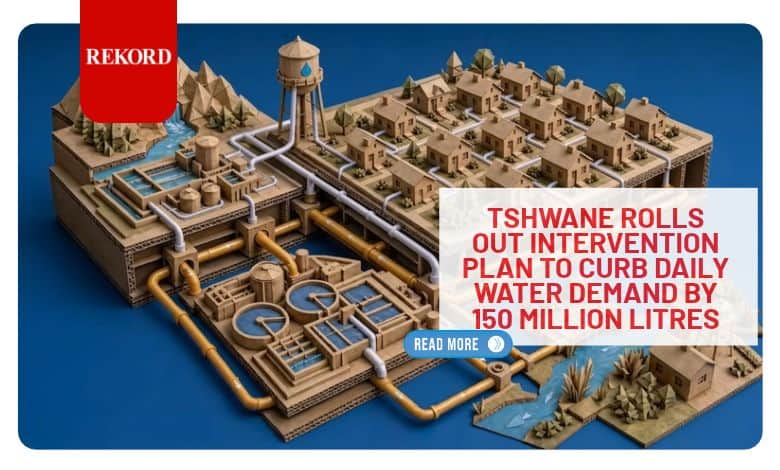
The City of Tshwane has implemented an intervention plan to cut water demand by 150 million litres a day, support reservoir recovery, and improve supply to communities facing ongoing restrictions.
This follows the metro’s introduction of water restrictions in high-consumption areas to avoid depleting water systems.
Metro spokesperson Lindela Mashigo said the plan includes combined controlled overnight reservoir closures, increased production from the city’s own sources, smart pressure management, action against illegal connections, and the enforcement of water restrictions.
”These interventions, built on the strong working relationship between the city and Rand Water, have yielded desirable results.”
Mashigo said both institutions are working closely to address exceptionally high demand and relieve pressure on the interconnected supply network.
”This co-operation is essential to stabilising the Palmiet and Mapleton systems and improving the reliability of supply to residents and businesses.”
City closes reservoirs to manage pressure
He said that as part of the plan, the city has committed to closing supply to the Heights high- and low-level, Klapperkop and Garsfontein receiving reservoirs every second day between 20:00 and 06:00.
These controlled interventions are intended to ease pressure on the Rand Water network.
”The city will also regulate supply to selected distribution reservoirs, balancing available water across the system and applying further temporary closures where necessary.”
Mashigo said the city recognises the hardship that low pressure and water interruptions cause households, businesses, and essential services.
”Reservoir interventions will be managed according to operating conditions, with affected communities informed through the city’s communication platforms. Recovery will vary across supply areas as reservoirs and distribution networks stabilise.”
He said the city is working with the utility to reduce reliance on Rand Water by increasing production from its own water sources.
”The Roodeplaat Water Treatment Plant is producing 35 million litres a day, which is being directed to the Montana reservoirs to reduce demand on the Rand Water supply line through Garsfontein.”
He said work is also underway to bring the Rietvlei Water Treatment Works and the Fountains upper and lower springs back into production.
The city is prioritising areas with high losses as it extends these interventions.
Metro deploys water tankers to affected areas
He said that to support communities experiencing shortages, the city’s water tanker operation centre is co-ordinating tanker deployments and the sharing of collection points and times.
Mashigo said the city will also work closely with ward councillors, ward committees, and community-based structures to strengthen communication and support local responses to water shortages.
This co-operation will help identify urgent needs, report leaks and suspected illegal connections, share verified supply updates, and communicate water tanker collection points and times.
City targets illegal water connections
He said the city is also targeting the removal of 100 illegal water connections a month through co-ordinated operations across its seven regions.
”These operations aim to reduce avoidable losses and protect water intended for lawful users.
”Every customer who still has water has a direct role in helping affected communities regain supply.”
Mashigo said exceptionally high consumption continues to place pressure on the network and slow reservoir recovery.
”Residents, businesses, and institutions are urged to limit water use to essential needs, comply with restrictions, and report leaks and suspected illegal connections.”
He said the city’s response combines operational action, infrastructure improvements, and enforcement with a clear appeal for responsible water use.
Do you have more information about the story?
Please send us an email to bennittb@rekord.co.za or phone us on 083 625 4114.
For free breaking and community news, visit Rekord’s websites: Rekord East
For more news and interesting articles, like Rekord on Facebook, follow us on Twitter or Instagram or TikTok or WhatsApp Channel


