Honesty about problems needed to save SA tennis
An honest analysis of the situation is needed in South African tennis if we want to produce players again that can compete with the world's top stars.
For the past few years, Kevin Anderson is the only South African to be counted regularly among the seeded players at major tournaments worldwide.
Anderson has in fact been the lone South African crusader in international singles tennis for quite a few years. Last year he became the first player since Wayne Ferreira in the nineties to be ranked in the top ten. As far as women’s tennis is concerned Amanda Coetzer (ranked 3rd in 1997) was the only South African who made an impact during the past 20 years.
Three top ten players in more than 20 years is certainly not a record to be proud of.
Why is it that in spite of thousands of enthusiastic young tennis players plying their skills all over the country every day, South Africa cannot produce at least three or four players per year who are able to be competitive in senior international tennis?
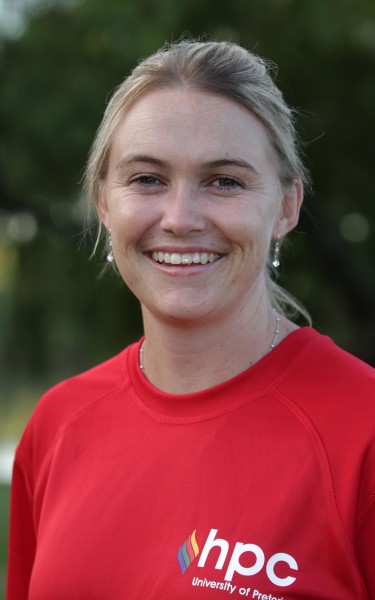
According to Kirsty Elliott, senior sport scientist at the University of Pretoria’s High Performance Centre (HPC) and actively involved in tennis, the South African set-up is complex and there are no easy answers or solutions. She says the South African junior tennis support structure is actually quite good, but competitive opportunities and money are obvious stumbling blocks in the path to success for young players.
“The challenges start when a junior player moves into the senior ranks where there is absolutely no financial support system available. A player either goes it on their own or is supported by their family. The ITF recently alluded to a shift in financial investment towards this ‘transition’ phase of junior to senior; however we will have to wait and see who is eligible and how this funding will be allocated around the world.
“If a young player wants to gain experience to improve their international ranking, he needs to play internationally, but to do so is expensive. The cost for one six-week stint can easily amount up to R70 000 and, to have a realistic chance to make progress internationally, a player needs to do this at least five or six times a year. When we talk about R70 000 it means the players will be traveling on their own with no support of a coach or mentor. The player will be responsible for organizing their own accommodation and meals, as well as their travel and training arrangements. This is of course far from being an ideal situation. Quite often this is not sustainable and players return home with crumbled confidence and the whole rebuilding process has to start from scratch again,” Elliot explained.
She said the American Colleges system can be a good option because players gain experience playing at a good level of tennis, allows time for them to mature and a player is supported by a backup plan if he is not able to make it in the professional ranks. But on completing their studies the problem remains the same – where to find funding.
Elliott said a definite problem in South African tennis is a lack of collaboration.
“There are many great programs in South Africa but they are like little islands, everyone on its own. There needs to be some sort of collaboration between the top coaches. It would certainly help the players if there could be some sort of elite squad where they would be exposes to different opinions and ideas. The Davis Cup and Fed Cup programs show potential for this but there is a lack of continuity,” she said.
According to her a possible solution could be to find a way to subsidize a few of the best coaches so that they don’t have to generate their income by taking on more and more young players and having to coach for hours on end to generate enough income.
“Regular competition of good standard need to be encouraged. This can be done through collaboration of coaches from different programs to allow for more exposure. This will only compliment the competitive calendar that already exists in the country. This is a good way to compete more often with less financial expenditure,” Elliot concluded.
Do you have more information about the story? Please send us an email to editorial@rekord.co.za or phone us on 083 625 4114.
For free breaking and community news, visit Rekord’s websites:
For more news and interesting articles, like Rekord onFacebook, follow us on Twitter or Instagram