Your kidneys matter more than you think
When the kidneys become damaged, the consequences can affect far more than just the urinary system.

Every day, your kidneys work tirelessly to keep your body healthy. These remarkable organs remove waste products and excess water from the body, help regulate blood pressure, maintain healthy bones, produce hormones that support red blood cell production, and balance important minerals needed for normal body function.
When the kidneys become damaged, the consequences can affect far more than just the urinary system. Unhealthy kidneys can lead to anaemia (low red blood cell counts), nerve damage, mineral and bone disorders, dangerous potassium imbalances, heart disease, stroke and ultimately kidney failure. High blood pressure and diabetes remain among the leading risk factors for chronic kidney disease.
Despite the vital role kidneys play in overall health, kidney disease often develops quietly. Many people are unaware they have kidney disease until significant and sometimes irreversible damage has already occurred. During National Kidney Awareness Week, Dr Rudzani Mathonsi and Dr Moses Mahlangu, Nephrologists at Life Groenkloof Hospital, are encouraging South Africans to understand their risk factors, recognise the importance of early screening, and seek medical help before kidney disease progresses to kidney failure.
What is chronic kidney disease and why is it called a “silent disease”?
Chronic kidney disease (CKD) occurs when the kidneys become damaged and gradually lose their ability to function properly over time. The kidneys are responsible for filtering waste products from the blood, removing excess fluid, regulating blood pressure, and maintaining the body’s chemical balance.
CKD is often called a “silent disease” because it can develop over many years without causing noticeable symptoms. In fact, people may lose up to 80% to 90% of their kidney function before they become aware that something is wrong.
The most common causes of chronic kidney disease are diabetes and high blood pressure, while HIV remains an important contributor to kidney disease in South Africa. Left untreated, CKD can progress to kidney failure, a life-threatening condition requiring dialysis or transplantation.
Who is most at risk and what warning signs should not be ignored?
Certain groups of people face a significantly higher risk of developing kidney disease. These include individuals with:
- High blood pressure (hypertension)
- Diabetes
- Heart disease or heart failure
- HIV infection
- Previous kidney disease or kidney injury
- Kidney stones or urinary tract abnormalities
- Autoimmune diseases such as lupus
- Obesity
- A family history of kidney disease or kidney failure
One of the greatest challenges is that early kidney disease often causes no symptoms. Reduced kidney function and protein leakage into the urine are usually detected only through routine laboratory tests.
As the disease progresses, people may experience:
- Persistent tiredness and low energy levels
- Swelling of the feet, ankles, hands or face
- Changes in urination patterns
- Shortness of breath
- Nausea or poor appetite
- Fluid retention
- Difficulty controlling blood pressure
Anyone experiencing these symptoms, particularly if they have known risk factors, should seek medical advice promptly.
Who should be screened and why is early detection so important?
Because kidney disease can develop without symptoms, screening plays a crucial role in early diagnosis. Dr Mathonsi recommends regular kidney screening for people with diabetes, high blood pressure, heart disease, vascular disease, autoimmune conditions, HIV, kidney stones, urinary tract disorders, and those with a family history of kidney disease.
Early detection allows healthcare professionals to identify kidney disease before significant damage occurs. This creates an opportunity to start treatment, slow disease progression, manage complications and preserve kidney function for as long as possible.
“Regular screening and early intervention can make a significant difference in protecting kidney health and preventing kidney failure,” says Dr Mathonsi.
When should a patient be referred to a nephrologist and what treatment options are available?
According to Dr Mahlangu, early referral to a nephrologist is essential when kidney function falls below 60%, or when significant protein is detected in the urine. Early specialist intervention can help prevent progression to kidney failure and improve long-term outcomes.
Treatment depends on the cause and stage of kidney disease, but generally focuses on slowing further damage and managing complications. Key treatment strategies include:
Healthy lifestyle changes
Patients are encouraged to:
- Reduce salt intake
- Limit excessive animal protein consumption
- Increase plant-based protein intake
- Exercise regularly
- Maintain a healthy weight
- Stop smoking
- Reduce reliance on processed and fast foods
Medication and disease management
Treatment may include:
- Tight control of blood pressure
- Effective diabetes management
- Kidney-protective medications such as ACE inhibitors, ARBs and selected SGLT2 inhibitors
- Treatment for anaemia and other kidney-related complications
- Ongoing monitoring by healthcare professionals
Dr Mahlangu also warns against the unnecessary use of certain anti-inflammatory pain medications, many of which are available over the counter and can be harmful to the kidneys, especially in people with existing kidney disease.
When is dialysis required, and what can patients expect?
Although many people with CKD never require dialysis, some patients progress to kidney failure, where kidney function falls below approximately 15%. At this stage, renal replacement therapy, either dialysis or transplantation, may become necessary.
Dialysis is typically considered when patients develop:
- Severe fluid overload that does not respond to medication
- Dangerous potassium levels
- Persistent metabolic acidosis
- Very little or no urine output
- Symptoms of uraemia, where toxins build up in the body
- Certain forms of severe heart failure that are not responding to treatment
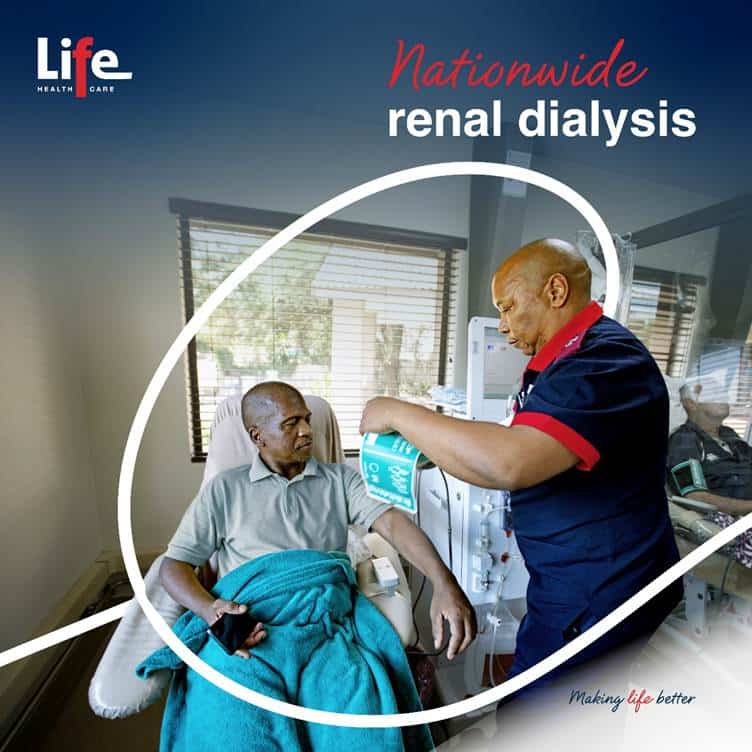
There are two main forms of dialysis:
Haemodialysis
A machine filters the blood, removing waste products and excess fluid. Treatments are usually performed at a dialysis unit several times per week.
Peritoneal Dialysis
This home-based treatment uses the lining of the abdomen as a natural filter and is often suitable for younger, active patients.
While many patients feel anxious about the possibility of dialysis, Dr Mahlangu emphasises that dialysis is a life-saving treatment that can significantly improve quality of life by reducing symptoms, preventing complications and enabling patients to continue working, exercising and participating in everyday activities.
Take action this National Kidney Awareness Week
Your kidneys work tirelessly every day, often without recognition. The best way to protect them is through awareness, prevention and early action.
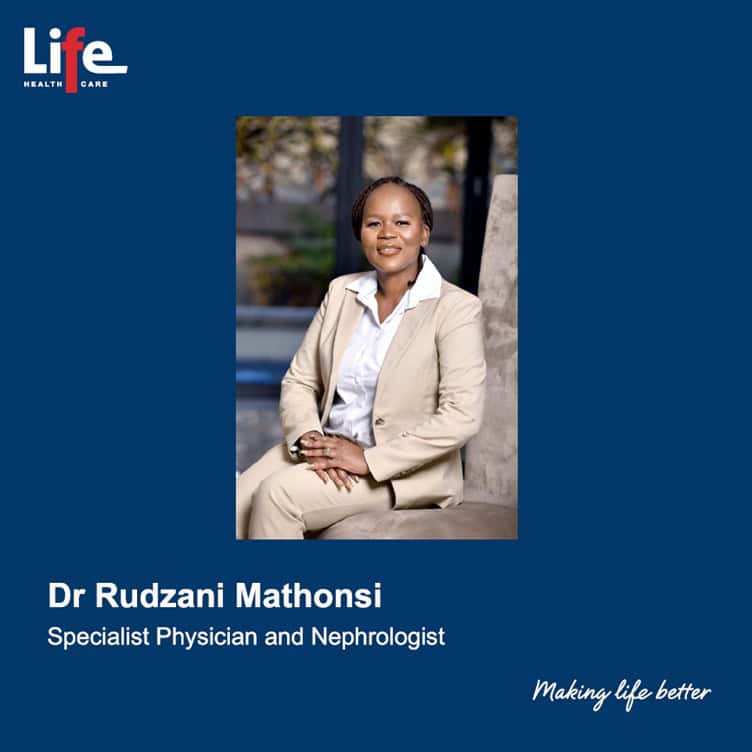
“Do not wait for symptoms before checking your kidney health. If you have diabetes, high blood pressure, heart disease, HIV, or a family history of kidney problems, regular screening could detect kidney disease long before you become ill. Early detection and treatment can make all the difference.” – Dr Rudzani Mathonsi, Nephrologist.
Know your risk. Get screened. Manage chronic conditions. Seek help early.
If you have diabetes, high blood pressure, HIV, heart disease, obesity, a family history of kidney disease, or concerns about your kidney health, speak to your doctor about kidney screening. Early detection can save your kidneys, improve your quality of life, and in some cases, save your life.
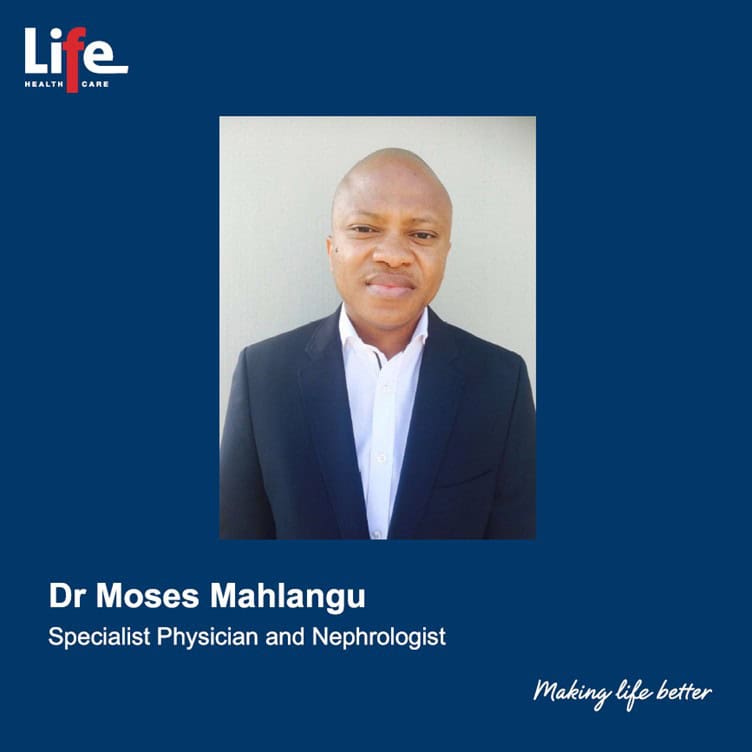
“Kidney disease does not have to lead to dialysis if it is detected and managed early. Healthy lifestyle choices, avoiding harmful medications, controlling chronic conditions and seeking specialist care at the right time can help protect kidney function and prevent kidney failure.” – Dr Moses Mahlangu, Nephrologist.
Contact Life Groenkloof Hospital on 012 424 3600 or email groenkloof.customercare@lifehhealthcare.co.za. Our nephrologists can assist when you need it most. Visit our website at https://bit.ly/3PKFbcw
#MakingLifeBetter
Do you have more information about the story?
Please send us an email to bennittb@rekord.co.za or phone us on 083 625 4114.
For free breaking and community news, visit Rekord’s websites: Rekord East
For more news and interesting articles, like Rekord on Facebook, follow us on Twitter or Instagram or TikTok or WhatsApp Channel