
Muldersdrift shooting: Experts weigh-in on police’s action
The Independent Police Investigative Directorate (Ipid) is investigating the shooting of a Pretoria man by a police officer after the man forcefully took a gun from another officer during an altercation at Misty Hill Country Hotel in Muldersdrift on Saturday.
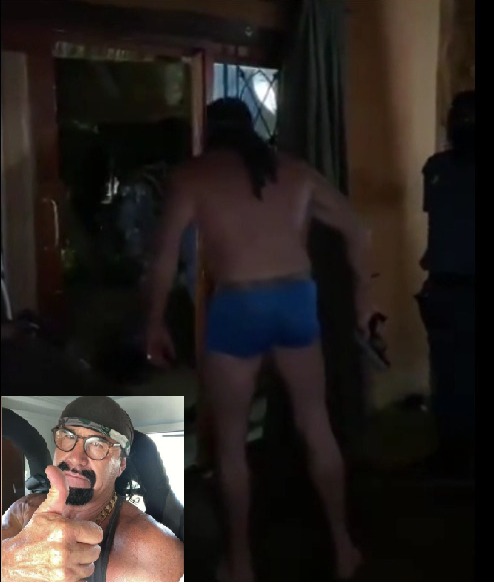
While investigations have not yet been concluded in the case of a Pretoria man who was shot in the head by a police officer, a policing analyst believes the shooting could be justified.
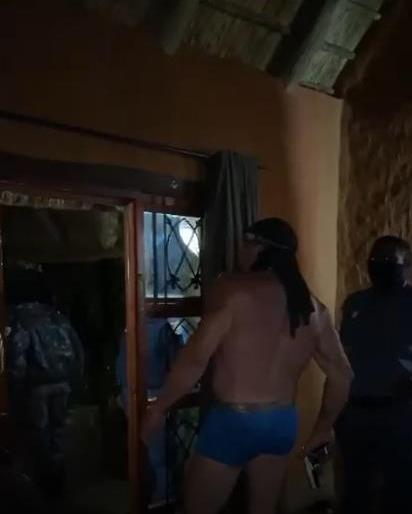
Len Cloete is in a coma after he was shot in the head by an officer when he forcefully took a gun from another officer during an altercation at the Misty Hills Country Hotel in Muldersdrift on Saturday, November 13.
The police had been called by the hotel management after Cloete was allegedly involved in arguments with staff and he, his wife and another couple were asked to leave the hotel. They refused.
The Independent Police Investigative Directorate (Ipid) started an investigation to determine whether the officer acted within the law when he fired the shot.
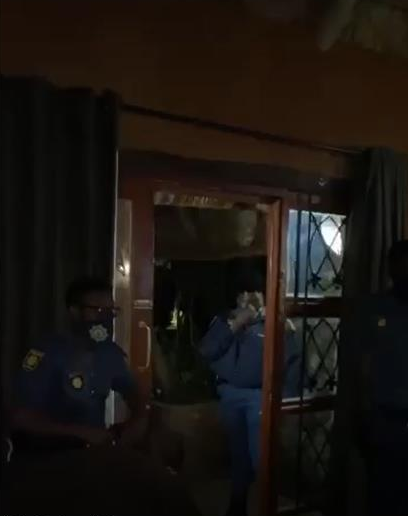
Policing analyst and researcher at the Institute of Safety and Security Dr Johan Burger said although it was difficult to conclusively decide whether the police acted rightly or wrongly; based only on the video of the incident, the shooting could be justified.
“According to the reports, [Cloete] forcefully took a firearm from a female officer which is a serious thing and he also had cocked his firearm so it was just a question of pulling the trigger,” Burger said.
“He was in a very threatening mode and armed after he took the officer’s gun.”
He said the officer met the requirements stipulated in Section 49 of the Criminal Procedure Act.
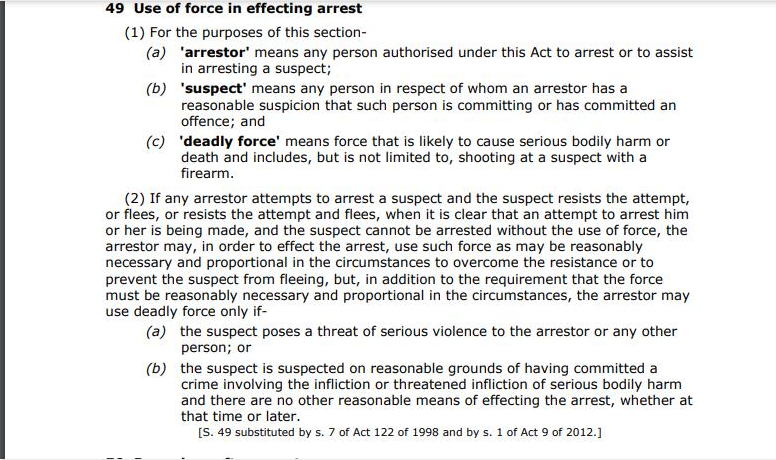
“The act is clear that if you are attacked as a police officer when you try to carry out an arrest or there is forceful resistance in the arrest the police can use sufficient force to overcome the arrestee.
“In this instance, [Cloete] was armed, so it would be difficult for the police to arrest this person without the use of force. I doubt the circumstances there would have enabled the police to negotiate for this person to hand over the firearm,” he said.
“Section 49 clearly states that as soon as there is a threat of serious bodily harm. In this case, the man was a threat of serious bodily harm to not just the police but also to other people that were present, such as the staff.
“I think the action of the police officer (who fired the shot) would fall within these requirements.”
Burger, however, said there were also lingering questions to determine completely whether the shooting was justified.
He said police officers should give verbal warnings if time allows, but in an immediately threatening situation, they often do not have the luxury of enough time to do so.
He said the verbal warnings in a deadly situation were not a fixed requirement.
“The cops will have to decide if the officer while pointing a firearm at the person had time to persuade him to put his gun down or was the threat so serious and immediate that he did not have enough time to persuade Cloete to put down the firearm.
“Some would argue that the police officer shot at him slightly early without issuing a warning,” he said.
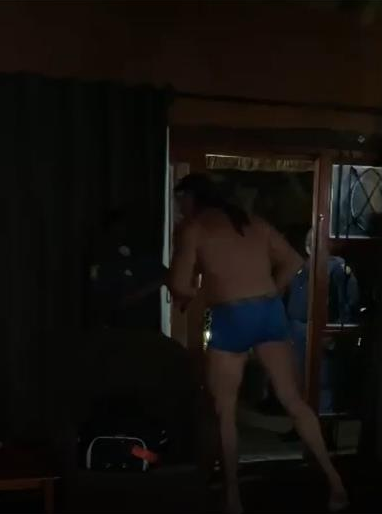
ALSO READ: Couple speaks out after witnessing shooting of Pretoria man
He said there was too little information based on the video to determine the words said during the shooting and a thorough investigation would have to be undertaken.
Burger said it was not expected of the officers to fire warning shots. The law also does not stipulate at which part of a suspect’s body they should shoot.
“To shoot him in the leg could have been equally dangerous. [Cloete] had a firearm and if he got shot in the leg, he could have lost control and possibly fired randomly, creating a far more dangerous situation.”
He said if the officer would be found in the wrong then the officer could face dismissal.
“On the face of it, he acted within law requirements although there are questions that remain. I think the police will wait for Ipid before deciding to take disciplinary actions against the officer.”
Independent legal consultant and former Legal Resource Centre attorney Edwin Makwati concurred with Burger. He said the shooting was justified when analysing the act.
“In my view, there is no question that it was a justified shooting looking at the circumstances even from just the clip. From the first time [Cloete] had the gun and cocked in front of the police, he should have been shot immediately in self-defence,” he said.
“I think the police took a long time to take action and [thus] endangered the lives of those people in that room. [Cloete] could have shot anybody in that room.”
Makwati said it would be a difficult case in Cloete’s defence to convince a judge that the shooting was not justified.
“The victim of the shooting may institute a civil claim for damages against the Minister of Police to be compensated for the injuries, pain and suffering, medical costs and loss of income if he is unable to work going forward,” he said.
Makwati said in shooting an armed suspect, the police by law were not restricted to aiming at a specific part of the body.
“The sole aim is to neutralise the threat. It would be unreasonable of the law to expect a police officer to be able to aim at a particular part of the body in a situation where the threat is imminent,” he said.
“Should Ipid investigations conclude that the police acted wrongly, they will take the docket to the NPA which will decide whether or not to undertake a criminal prosecution. Ipid may also make recommendations to the SAPS to do a disciplinary hearing against the officers.”
What does the law stipulate regarding police using force against suspects?
Criminal Procedure Act of South Africa, section 49 states the following:
Use of force in effecting arrest:
“… the arrestor may use deadly force only if –
“(a) the suspect poses a threat of serious violence to the arrestor or any other person; or
“(b) The suspect is suspected on reasonable grounds of having committed a crime involving the infliction or threatened infliction of serious bodily harm and there are no other reasonable means of effecting the arrest, whether at that time or later.”
WARNING | The following video contains graphic footage that sensitive readers may find upsetting. Reader discretion is advised.
Read original story on rekord.co.za