Social media ban for children? Polokwane parents weigh in as debate heats up
As Australia bans social media for under-16s, Polokwane parents are divided on whether South Africa should follow suit. Here's what they say.
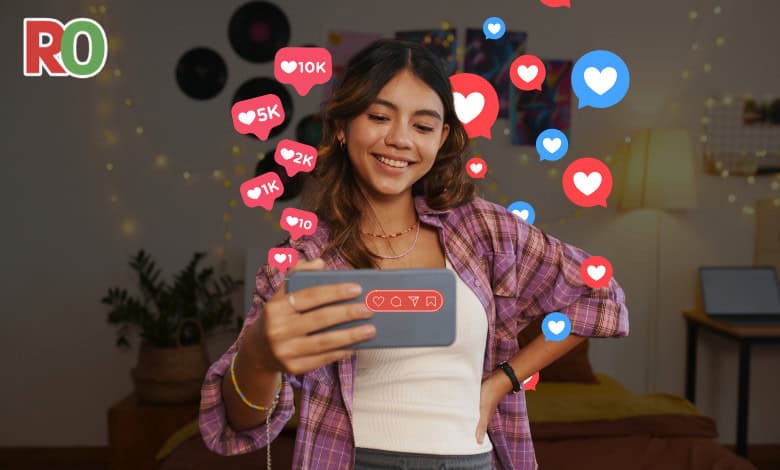
POLOKWANE – As Australia pushes forward with its world-first ban on social media for children under 16, the question for South African parents is becoming increasingly urgent: should we follow suit?
The debate has been given fresh momentum by Communications and Digital Technologies Minister Solly Malatsi, who used last week’s Government Social Media Summit in Johannesburg to deliver a sharp message to both government and big tech.
Malatsi warned that government must not simply blame citizens for online harms it has not adequately prepared them for.
“Do not place the full burden of safety on users when systems are designed to maximise attention, frictionless sharing and behavioural prediction,” he said.
Smartphone-Free Childhood South Africa (SFC-SA) supports the adoption of a mandatory ban on smartphones and social media for under-16s.
Unicef survey data cited by the group found that among South African children aged 9-17, 70% use the internet without parental consent, and 25% have added unknown contacts.
What Polokwane parents say
Polokwane parents are divided on whether South Africa should follow Australia’s lead and ban social media for children under 16. Some support a ban, others believe the responsibility should lie with parents, and some fall somewhere in between.
For the ban
Several parents said they would support a ban, citing concerns about predators, harmful content, and the difficulty of monitoring children in an age where they can easily bypass restrictions.
Bianca Kruger said it would be “the smartest thing SA has done in a long time.” She believes parents have a responsibility to monitor their children’s social media use, but that children are too savvy and will “bypass those measures faster than it takes you to set up the restrictions.”
Angelique Taljaard echoed this concern, asking: “I can monitor and restrict my child, but other parents? Will they do the same?”
Karina Botha said children have “no business on social media” and should focus on social skills and exercising their brains instead. She added, “It is the parents’ responsibility to make sure that they create a stable environment for their children.”
Tshego Ndlovu, a mother of three, said she would support a similar law in South Africa. Her concerns include exposure to harmful content, grooming by adults pretending to be children, cyberbullying, pressure to look perfect, and children oversharing personal information. “I worry about their safety on social media,” she said.
Shalati Chauke said, “as a mother of an almost-teenager, I am all for the social media ban” and worries about the things her daughter gets exposed to online, particularly predators who take advantage of children.
Vuyelwa Netshivhengani said she worries about her children’s safety, including exposure to nudity, drugs, and alcohol.
Tebogo Malatsa, a father, said he would support stricter age limits because “kids are too young to handle the pressure and risks online.” However, he added that a full ban is not the answer and that parents still need to be present and set rules. His main concerns are predators, cyberbullying, and content that shapes how children see themselves too early.
For the parent-led approach
Idette Coetzee believes the onus is on parents to equip themselves with knowledge about social media so they can guide their children responsibly. “I prefer teaching him how to use these platforms responsibly and how to watch out for the dangers involved, rather than keeping them away from him entirely,” she said. “Sooner or later, they are going to use them, so who will provide the guidance then?”
She said she is not currently worried about her child’s online safety because he uses platforms responsibly and applies the tools they have taught him.
Where we are right now
For now, the debate in Polokwane reflects a wider uncertainty: Is a ban the answer, or is the responsibility on parents to monitor their children’s online activity?
Currently, the Department of Social Development’s National Plan of Action for Children, finalised in December 2025, aims to address children’s rights, needs and well-being, but does not specifically include a social media ban.