
Nearly 1 in 3 Limpopo residents unemployed as rate hits 32%
Limpopo's unemployment rate has climbed to 32%, with the expanded rate at nearly 47%, as residents continue to leave the province for work.

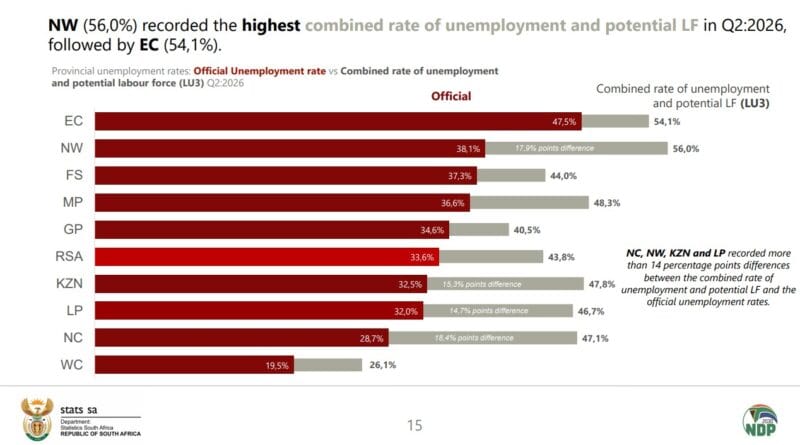
POLOKWANE – Limpopo’s official unemployment rate increased to 32.0% in the second quarter of 2026, while the province’s expanded unemployment rate climbed to 46.7%, highlighting the scale of the employment challenge facing residents.
The latest Quarterly Labour Force Survey (QLFS), released by Statistics South Africa (Stats SA), shows that Limpopo’s official unemployment rate rose from 31.7% in the first quarter of the year to 32.0% in Q2.
Expanded rate nearly 47%
The province’s expanded rate, which includes people in the potential labour force who are not actively seeking work, was significantly higher at 46.7%.
Stats SA identified Limpopo as one of the provinces where the difference between the official unemployment rate and the combined rate of unemployment and potential labour force exceeded 14 percentage points.
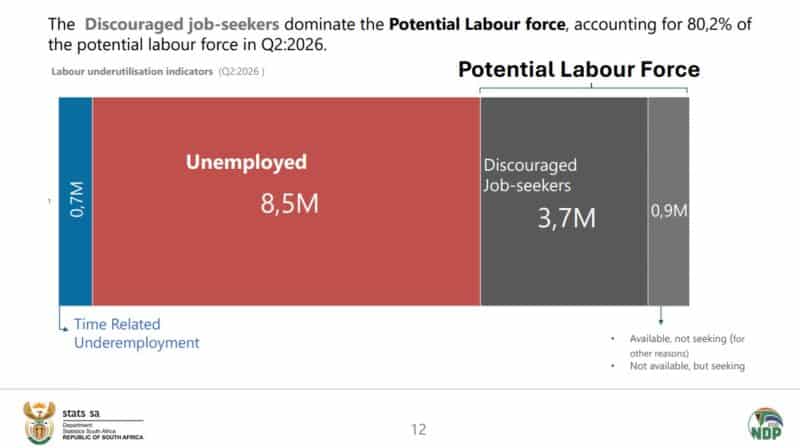
Nationally, the official unemployment rate increased from 32.7% in Q1 to 33.6% in Q2. The number of unemployed people increased by 345,000 to 8.5 million, while employment declined by 16,000 to 16.7 million.
Almost one in three unemployed
The province’s 32.0% official unemployment rate means almost one in three people in its labour force are unemployed. When those who are available to work but are not actively looking for employment are included, the figure rises to nearly one in two.
The figures have prompted concern from the DA in Limpopo, which said the province’s unemployment crisis could not be separated from the performance of its municipalities.
Lindy Wilson, DA Limpopo spokesperson on the Office of the Premier, said municipalities needed to create an environment that allowed businesses to invest, expand and create employment.
“Municipalities cannot create every job, but they can either enable economic growth or stand in its way,” Wilson said.
The party said unreliable basic services, deteriorating infrastructure, poor financial management and excessive bureaucracy could make it more difficult for businesses to operate and expand.
Limpopo’s employment challenges are also taking place against a backdrop of residents moving to other provinces in search of opportunities.
The DA pointed to migration from Limpopo to Gauteng as one example of the movement of people towards areas where they believe better employment prospects are available.
Turning potential into opportunity
The province has significant agricultural, mining and tourism resources, as well as its position as an important gateway between South Africa and neighbouring countries.
However, the unemployment figures suggest that these economic advantages are not translating into sufficient opportunities for everyone in the province.
For Limpopo, the latest figures underline the pressure to turn existing economic potential into sustainable employment opportunities.
“Limpopo should be a province where people can build their future, not a province they have to leave to find one,” Wilson concluded.