
Reserve Bank foresees bleak economic future
South Africa's economy is in a phase where its performance is at its worst since the 2009 recession, according to the Reserve Bank's deputy governor, Lesetja Khanyago.
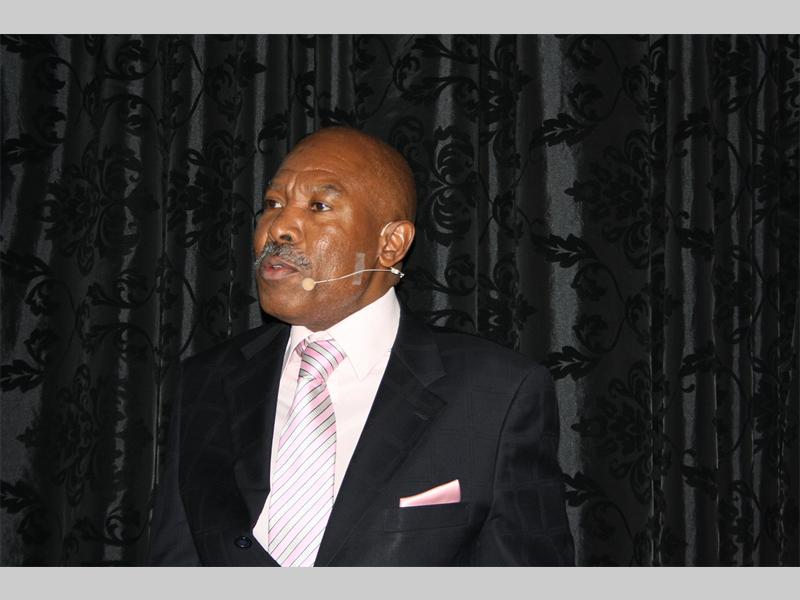
POLOKWANE – South Africa’s economy is in a phase where its performance is at its worst since the 2009 recession, according to the Reserve Bank’s deputy governor, Lesetja Khanyago.
Kganyago and senior economist, Nombulelo Gumata, addressed representatives of labour, financial institutions, treasury and other government departments as well as academic institutions, the business fraternity and students at a Monetary Policy Forum meeting in Polokwane last Thursday.
Their message was clear: South Africans will have to tighten their belts.
The South African Reserve Bank is responsible for monetary policy in South Africa. One of the communication channels utilised by the bank in order to develop a better understanding of monetary policy and keep the public informed are the Monetary Policy Forums, held twice a year in major centres of South Africa across all provinces.
At these meetings, a panel comprising senior Reserve Bank representatives present recent domestic and international developments that have impacted on inflation and that motivate the rationale behind the Bank’s monetary policy stance.
Following a short introductory speech by Kganyago, who said South Africans were living in challenging times and a difficult balancing act was needed in formulating monetary policies, Gumata proceeded to present an analysis of domestic and international developments that have impacted on inflation.
Gumata said economic growth remains weak and uneven and the outlook deteriorated markedly as a result of the Amcu strike and increasing food prices. She said economic growth keep on decreasing, with a decrease in the mining sector of 24,7% during the first quarter.
According to Gumata, maize prices have decreased recently as the result of a good yield and this helped stem the inflation rate. Petrol and food prices, however, show a marked contribution to the increase in headline inflation as they contribute 20% to the combined weight of inflation.
“Spikes in the consumer price index, an index calculated by using a number of categories forming a representative set of goods and services bought by consumers, are likely to provoke high wage demands for several years.
“Labour cost growth averaged 6% prior to 2013 but has increased by an average of 7,9% in 2013, and has maintained that growth in the first quarter in 2014,” she said.
Gumata said business confidence was down and there was a slowdown in consumer expenditure from households.