
Know CPR – Know how to save a life
Throughout the month of November, the importance of this skill is highlighted through various campaigns.
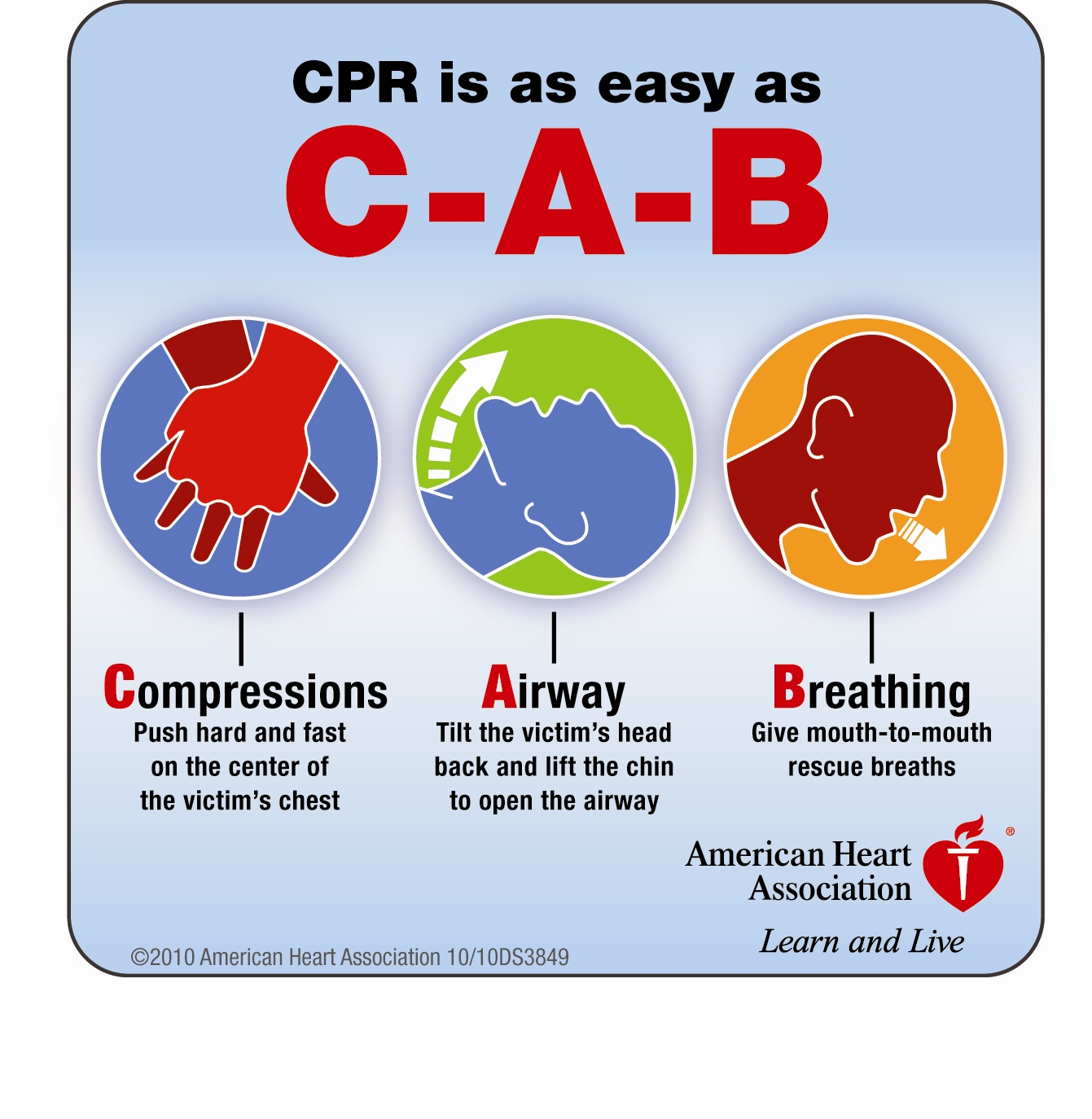
POLOKWANE – You may need to know how to do it for someone you know, a complete stranger, or no one all; whichever way you look at it, knowing how to perform Cardiopulmonary Resuscitation (CPR) is a valuable skill that could mean the difference between life and death.
Throughout the month of November, the importance of this skill is highlighted through various campaigns. ER24 personnel constantly urge people to learn how to perform CPR. Because, simply put, it is a skill that could save someone’s life.
And with the rate of accidents in and around the city, it is very likely that someone may need CPR and if you happen to be first on the scene, you could keep them alive.
CPR is the artificial means of ensuring there is still blood flowing to the brain and vital organs in the absence of a heartbeat.
ER24 Spokesperson, Chitra Bodasing Harduth, says it is absolutely crucial to know what to do in case of an emergency.
He answered a few common questions about CPR:
• When exactly should CPR be performed?
Any person who is unconscious, not breathing and without a pulse should receive CPR.
• What does CPR do exactly?
CPR provides blood and oxygen to the heart muscle during compression in order for the heart to have energy to restart. In addition, while the heart attempts to restart (if possible), CPR provides blood to vital organs.
• How do you initiate CPR?
This is done by applying external pressure to the chest by means of compression. By applying this external pressure, blood is squeezed from the heart and chest cavity and circulated through the rest of the body, thus allowing for blood flow.

How it works:
• Start CPR by interlocking your fingers and placing both hands on the breast bone of the chest. This is right in the centre of the chest.
• Push down onto the breast bone, keeping your arms straight. Release the compression and repeat at a rate of at least 100 compression per minute.
• It is important to continue with the process until emergency services arrive at the scene. CPR should only be stopped if your life is in danger, if you are physically exhausted to the point where you cannot continue or until help arrives.
“Contrary to what we see in movies and on TV, it is no longer required to do mouth-to-mouth resuscitation during CPR because it discourages people from initiating CPR, delays the start of chest compression and there is passive breathing between each chest compression,” Harduth said. “Learn how to perform CPR,” he concluded.