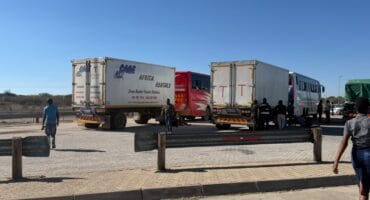
Storm water drains in the city are proving to be a problem
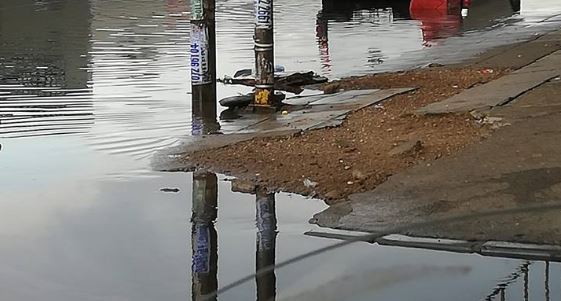
People who live in low lying areas usually bear the brunt of the rain as the town's storm water drain system continues to fail in dealing with the volumes of water that is coming in.
POLOKWANE – Despite poor rainfall, the province is still in the rainy season and the occasional bout of heavy rain makes for a problem in terms of the city’s storm water drains.
A storm water drain is a network of pipes that are underground that have been designed to control flooding by moving storm water from urban areas to a designated destination.
You might also want to read: [PICTURES & VIDEO] How Monday’s storm ravaged parts of Polokwane
It is often after heavy rains and the streets are flooded and traffic becomes delayed as seen in Flora Park, De Wet Street, Nelson Mandela Drive and Paul Kruger streets.
It’s then that you realise the importance of a fully functioning storm-water drain to take in all the water.
This is according to Seth da Gama, a civil engineer with 26 years’ experience, who explained that the ineffective functioning of the storm water drains can be caused by one or all of the following: a blockage in the pipes which could be caused by debris or plastic and the sorts that has found it’s way into them; water pipes being too small to take up the volumes; or a lack of maintenance.
“It is more likely a blockage problem and the lack of maintenance that causes the flooding but preventing further blockage is a collective responsibility.
“The public, contractors and the municipality need to take responsibility or in the next five years, there is a danger of more flooding, already some businesses at low lying areas are experiencing flooding because of the water that flows from higher grounds and has nothing to absorb it,” he said.
Although it is important to take the necessary precautions when it rains, in the instance of heavy rainfall, it can cause reduced visibility, the ability to steer may be somewhat compromised and the grip of a tyre on a road will be reduced, which could cause it to hydroplane.
It also means that it will take more time and space to bring a vehicle to a stop if required to. Matome Moremi, Spokesperson for Transport said drivers must always make sure that a vehicle is roadworthy.
The Arrive Alive website shared the following tips to assist drivers in unfavourable driving conditions: leave enough space between you and other drivers so that you can react in case of an emergency, drive at a slower speed but not so slow that you endanger other people on the road, be aware when visibility is affected and use extra caution at intersections.
Avoid unnecessary changing of lanes, and remain aware of surroundings.
The municipality had not provided feedback by the time of going to print.