
From radiation to chemo: What treatment is available for cancer patients?
Different treatments exist and depending on your situation, you may receive one treatment or a combination
POLOKWANE – Being diagnosed with cancer is a hard pill to swallow but there are treatment options available for patients. Surgery, radiation, medication and other therapy is available to cure, shrink or stop the progression of cancer.
Different treatments exist and depending on your situation, you may receive one treatment or a combination, says Mayo Clinic.
You might also want to read: The correct diet to follow when diagnosed with cancer
Review spoke to Petro Grobler, oncology sister at Dr Zirk Jansen about the different types of treatment available.
“The treatment you will receive at our unit will fall under chemotherapy, radiation therapy, Brachytherapy treatment or hormonal treatment. You may experience side effects and its best to talk to your doctor who will help you manage them,” Grobler said.
The following treatment may be administered to cancer patients:
• Brachytherapy is especially used in prostate cancer. The oncologist inserts radio-active implants directly into the tissue.
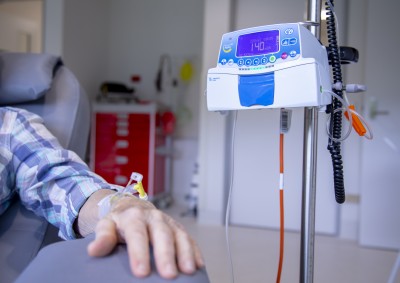
• Chemotherapy is a treatment that makes use of a chemical substance. This can be administered via IV-line, orally or intracavitary (treatment is given via a catheter into the abdomen or chest cavity).
• Radiation is the emission of energy as electromagnetic waves or as moving subatomic particles, especially high-energy particles which cause ionization.
• Hormonal therapy slows or stops the growth of cancer that uses hormones to grow. It is also called endocrine therapy, hormonal therapy or hormone treatment.
“Immunotherapy medication is expensive but will soon be cheaper. It works differently from chemotherapy and the side-effects are not at all like those of chemo. The medication is given together with chemo or on its own.”
Possible side effects:
• Brachytherapy: Local swelling and bruising, semen may be discoloured and in rare cases contain expelled pellets, bleeding, pain and discomfort on the site of the implant and a general feeling of fatigue.
• Chemotherapy: Fatigue, hair loss, easy bruising and bleeding, infection, low red blood cell count (anaemia), nausea and vomiting, constipation and change in appetite.
• Radiation: Depending on what area of the body is targeted: fatigue, hair loss, diarrhea, skin changes.
• Hormone therapy: Tiredness, digestive system problems.
Source: Dr Zirk Jansen Oncology