
Herbert Theledi – Balancing profit and social initiatives in the property industry
Investments in retail shopping centres over the last few decades has resulted in an over-retailed market, mostly in highly populated urban centres. Yet rural and peri-urban consumers from all economic levels also have a need to fill a shopping basket, or visit a doctor or chemist, purchase clothing, do banking and yes, even buy a pizza.
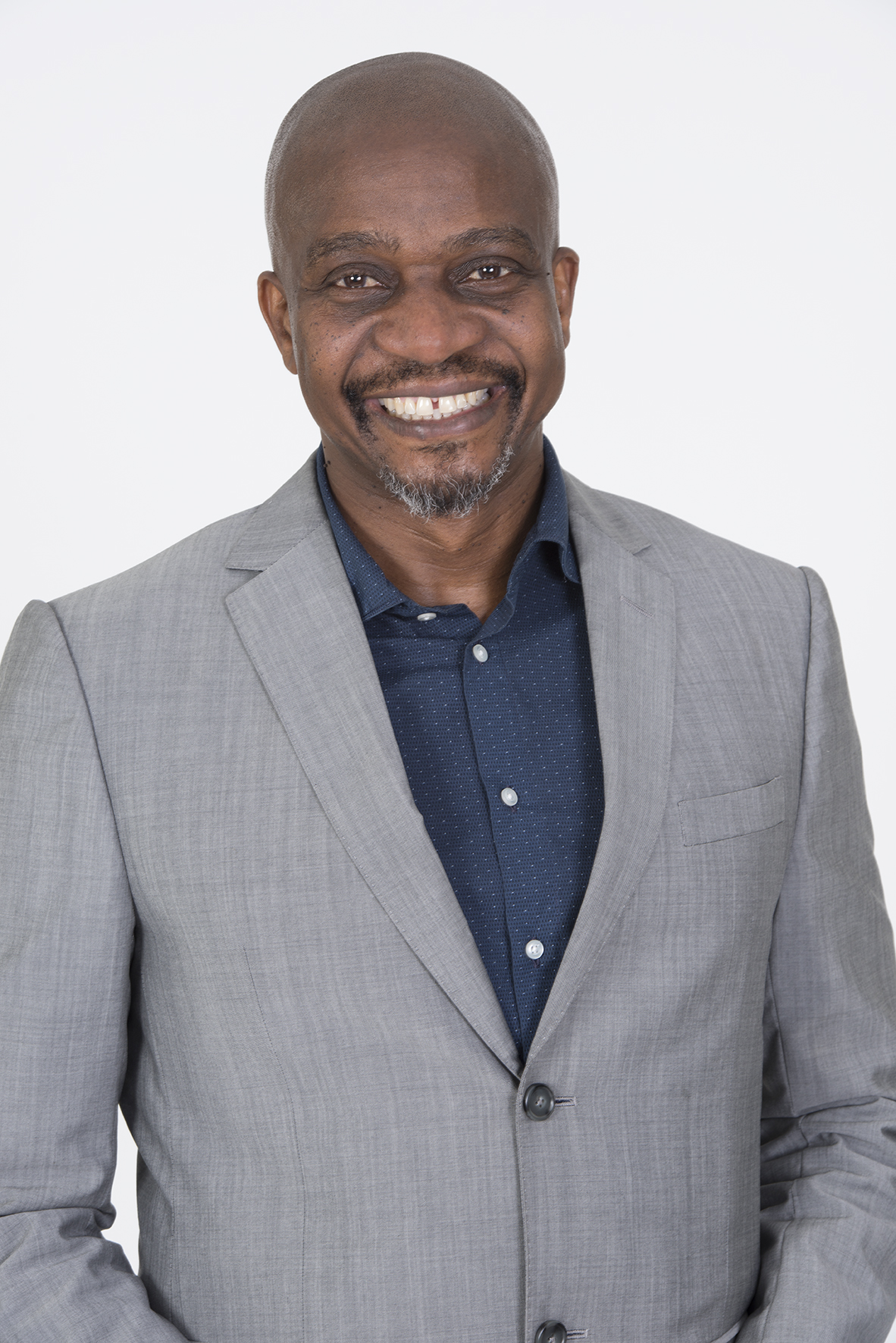
This is the word from Seabelo (Herbert) Theledi who says that for many rural or peri-urban communities, shopping centres are just inconveniently too far away.
This inconvenience is further heightened by the current national Covid-19 Lockdown, where citizens need safe and easy access to essential goods and services, while at the same time being confined to their homes. Many property developers and investors focus on making quick returns, high profits instead of balancing economic profit models with true social change. That is why most shopping centres are located in lucrative urban areas.
There are companies who truly desire change and upliftment of underserved communities. One such company is Nthwese Developments, a black-owned and managed property development and management company, founded by Theledi in 1993. “Shopping centres fulfil a vital role in their communities, providing convenient and safe supply of necessary goods, but of equal importance is the impact of consumption and job creation in general,” says Theledi.
His passion and focus has always been about balancing profit with making a positive impact on the communities where Nthwese’s properties are located. While Nthwese Developments has investments in a range of sectors including retail, commercial and residential properties, it is those parts of his portfolio that reach underserved communities that matter the most to Theledi.
“Investing in a retail shopping centre is investing in the communities we serve,” says Theledi. “We have seen the positive impact our developments have made on the lives of people living in the areas and it is this kind of impact that drives me to continue doing what I do.”
Community engagement and employment
Nthwese Developments believes that communities deserve to benefit economically from the development of shopping centres. Not only does Nthwese source workers from the township for the duration of the construction project, but for every 30 m2 they build, the company creates one permanent job.
To put this in perspective, for a 20,000 m2 retail centre development i over 660 permanent jobs are created.
In addition, as part of an enterprise development initiative between Nthwese Developments and Fullserve, a level 1 B-BBEE company that provides upskilling in the facilities management space, local businesses are identified as preferential suppliers to provide security, cleaning and landscaping services to the shopping mall.
Infrastructure development
Property developments require significant investment in infrastructure which is usually sorely lacking in remote and peri-urban areas. This development includes support roads, bulk water supply, power and stormwater infrastructure.
The upgrade of this infrastructure is done in partnership with the Department of Trade and Industry (DTI) who provide up to 30% of infrastructure costs. Maintaining a balance between investment, yield and enterprise development is not an easy business model, however, Theledi explains that financial grants from the DTI relieve some of the pressure.
Convenience for shoppers
People living in rural communities might travel 40 to 50 km to reach a town. Building shopping centres in rural and peri-urban areas provides communities access to food, clothing, healthcare and banking.
Develop the economy of the community
According to Theledi, shopping centres, keep money circulating within the community, therefore creating a “mini economy”. Shopping centres employ people from the community who now have an income which they did not previously have. This means more money is available to be spent at the mall, as well as with other small shop owners in the community, or indeed saved.
He also gives the example of many smaller tenants who have been able to establish a profitable business in their shopping centres and have gone on to build thriving businesses.
The multiplier effect
Statistics show that one person employed in the community can have up to ten dependants.“We improve more than just the employees’ lives, but that of their families in a big way,” he says. For example, in an area where 600 people have permanent jobs, up to 30 000 lives are positively affected.
In it for the long haul
“As we are a business focusing on the medium to long-term, when it comes to investing in underserved areas patience is required. Sometimes we only see value after five to ten years.“But it is absolutely worth it, not only from a business point of view, but for me personally knowing that the lives of surrounding communities are positively impacted,” concludes Theledi.
Imagine if all property investors shared Theledi’s vision and passion to impact the lives of South Africa’s underserved communities. In the words of Nelson Mandela, “We must use time wisely and forever realise that the time is always ripe to do right.”
Follow Herbert Theledi on LInkedin