
Covid-19 and what you ‘Googled’ most
In terms of provincial data, the past week saw the Northern Cape leading searches about the virus in South Africa, with the Eastern Cape, KwaZulu-Natal and Gauteng following suit.

If there is something you need to know, ask Google. For the past few months, obtaining factual information has been of utmost importance as the Covid-19 pandemic emerged.
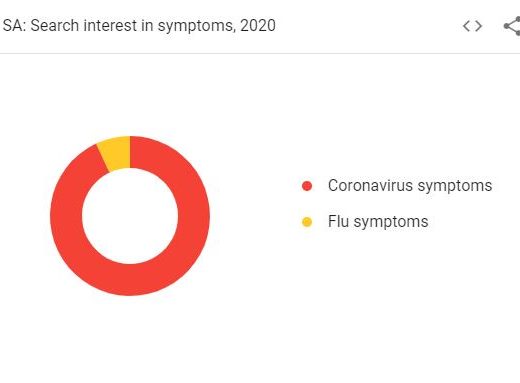
But what were the top searches among South Africans during the national lockdown? According to Google Trends, 93% of search interest in South Africa related to Covid-19 symptoms, while the remaining 7% involved flu symptoms.
As the Covid-19 breakouts worsened, internet users wanted to know how to prepare and protect themselves, and Google saw a spike in Coronavirus searches from 5 March, with a 54-search interest value, peaking at 96, nearly a week and a half later on 16 March where it remained relatively high. On 26 March, the day the national lockdown began, searches for Coronavirus peaked at 100.
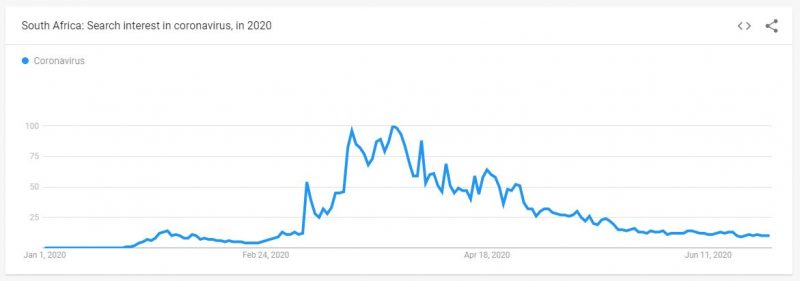
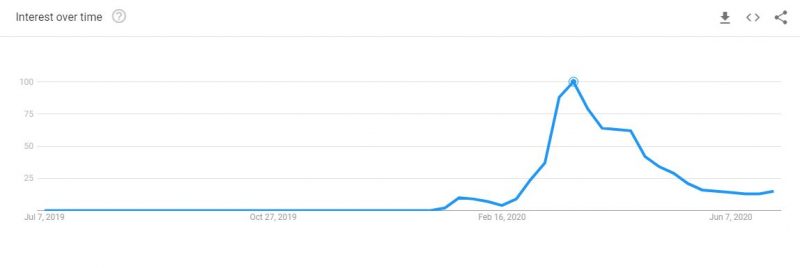
Google Trends normalises search data to make comparisons between terms easier, and each data point is divided by the total searches of the geography and time range it represents to compare relative popularity. The resulting numbers are then scaled on a range of 0 to 100 based on a topic’s proportion to all searches on all topics: 100 refers to peak popularity and the lower the number, the lower the popularity.
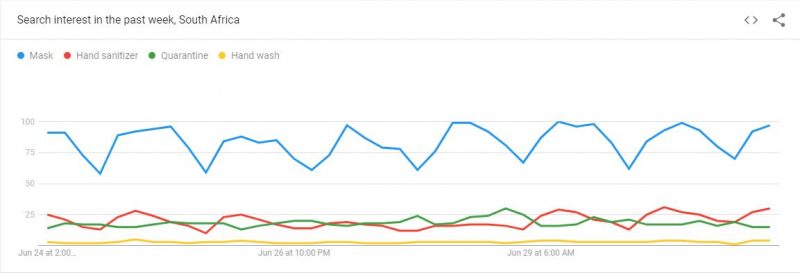
On measures to protect themselves, searches about masks remained relatively high in the last week, peaking at 100 on 29 June, when the Health Minister, Dr Zweli Mkhize announced 6 132 new cases, while searches relating to hand sanitiser, quarantine and handwash remained relatively low, with an under-30 search interest value.
In terms of provincial data, the past week saw the Northern Cape leading searches about the virus in South Africa, with the Eastern Cape, KwaZulu-Natal and Gauteng following suit.
Notice: Coronavirus reporting at Caxton Local Media aims to combat fake news
Dear reader,
As your local news provider, we have the duty of keeping you factually informed on Covid-19 developments. As you may have noticed, mis- and disinformation (also known as “fake news”) is circulating online. Caxton Local Media is determined to filter through the masses of information doing the rounds and to separate truth from untruth in order to keep you adequately informed. Local newsrooms follow a strict pre-publication fact-checking protocol. A national task team has been established to assist in bringing you credible news reports on Covid-19.
Readers with any comments or queries may contact National Group Editor Irma Green (irma@caxton.co.za) or Legal Adviser Helene Eloff (helene@caxton.co.za).