
A doctor’s view on Parkinson’s disease
Review spoke to Dr Flip van As about Parkinson's disease.
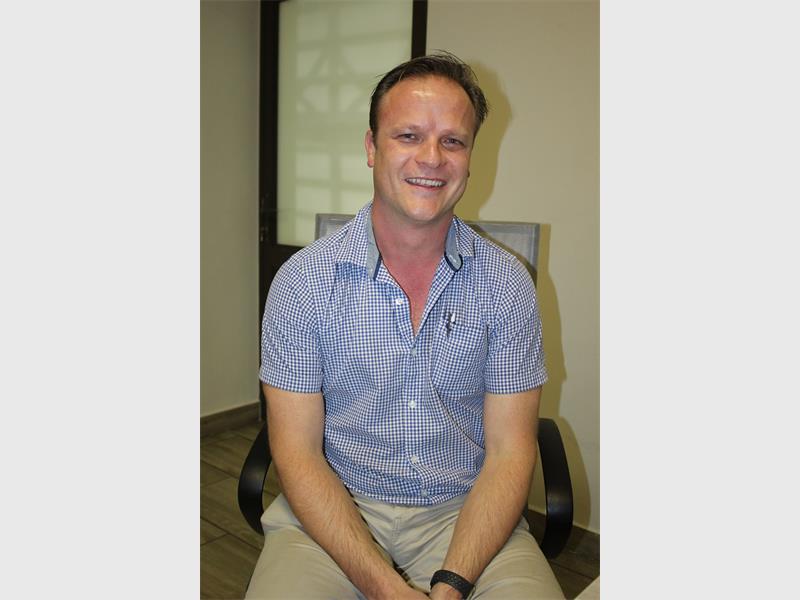
POLOKWANE – According to Dr Flip van As, Parkinson’s disease is a chronic, long-term, degenerative disorder of the brain which is caused when an inadequate amount of dopamine is produced by the nerve cells.
Van As explains dopamine is a chemical that plays a role in controlling movement. When the nerve cells fail to produce enough of it, there is a subsequent loss of movement control. “Even though there is no existing cure for Parkinson’s, there is medication that can assist with managing the symptoms. These medications are usually designed to increase the amount of dopamine in the brain.”
Parkinson’s is most prevalent among the elderly and men, in particular, are more vulnerable. The pace of the progression and the degree of impairment vary from one person to another. “Specialised physiotherapy, occupational therapy and speech therapy may help. Following a healthy lifestyle and exercising is recommended.”
Usually, diagnoses take place by a neurologist based on medical history, physical examinations and symptoms. Other disorders can be ruled out with the help of specialised scans and ultrasounds. Sometimes medication intended for PD is given and an improvement in the symptoms confirms diagnoses.
Risk factors:
- History of a serious head injury
- Family history
- Exposure to chemicals, pesticides and other toxins
Signs and symptoms:
- Shaking
- Reduced facial expressions
- Muscle stiffness
- Decreased mobility
- Slow movement
- Imbalance
- Struggling to write
- Stooped posture
- Speech difficulties
- Constipation
- Reduced sense of smell
- Swallowing problems may occur late in the disorder
Stages:
- Mild symptoms. Tremor, slowness and stiffness on one side of the body only.
- Moderate symptoms. Changes of facial expressions. Tremor can be present on both sides of the body.
- Progressive decline. Imbalance.
- Drastic changes are observed. The individual needs help with daily tasks and mobility.
- Advanced stage with severe impairment of mobility.