
Health MEC labels Covid-19 cases in young children as ‘problematic’
More than 1 400 children, under the age of 10 have tested positive for Covid-19 in Limpopo
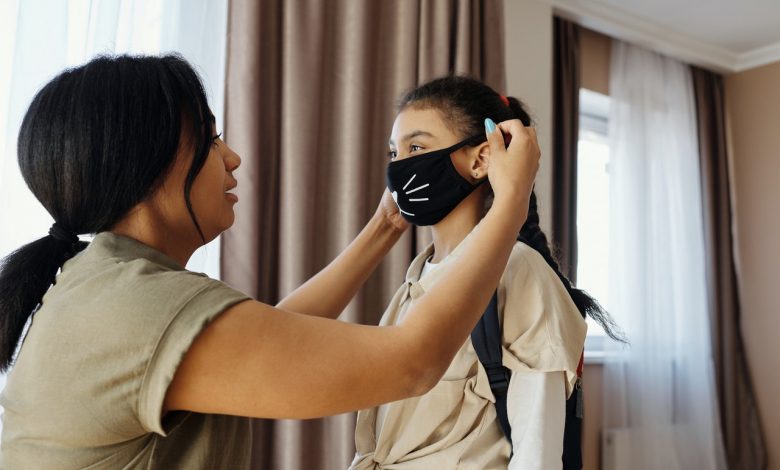
LIMPOPO – The number of children, between the age of one and 10, who have tested positive for Covid-19, has been labelled as “problematic” by Health MEC, Dr Phophi Ramathuba.
Review spoke to Ramathuba after noting that more than 1 400 kids under the age of 10 contributed to the 40 268 cumulative cases in the province, according to statistics by the National Institute For Communicable Diseases.
Also read: Polokwane: Do you live in a hotspot area?
“We have seen an increase in cases of coronavirus in children. With the first strain, children were largely asymptomatic and rarely became ill. With the new strain, children are showing symptoms of the virus,” Ramathuba explained.
In a Government Gazette, dated 11 January, it states that “the wearing of a face mask is mandatory for every person when in a public place, excluding a child under the age of six years.
Ramathuba added that many teenagers in the province have also tested positive for the virus, citing super-spreader events as a reason.
“The spike in cases were first observed early last year, when majority of teenagers were hosting parties to celebrate the end of the academic year,” she said.
Review spoke to the South African Medical Association’s (Sama) National Chairperson, Dr Angelique Coetzee, about the impact of Covid-19 on children.
“Children constitute only 2% of recorded infections. They are likely to have other viruses in their upper respiratory tract, therefore interactions and competition with SARS-CoV-2 may dampen its ability to cause infection. Other than this, we don’t have an answer as to why children are now more affected than in the first wave. Children can still be carriers and are tested the same way adults are tested. Their symptoms are the same; fever malaise, cough, or they can be asymptomatic. The minority of children will get sick and the majority will be asymptomatic. You need to take your child to the doctor when he or she is acutely ill. Treatments are the same as with adults and we recommend Panado as well,” she explained.
Coetzee said there is no different set of rules for children above the age of six compared to adults, when it comes to wearing a mask and sanitising. “While you are in public, you should wear your mask, keep social distance, wash your hands often and have open ventilation. If you are in public the whole day, then you have to wear your mask the whole day.”
Shelley McGee, Health Policy Analyst: Knowledge Management, Research and Ethics Department (KMRED) at Sama, added that cases in all age groups have been higher and that children have not been disproportionately affected. There was a period where infections were spiking in the age group 15 to 19 years (December 2020), however, this may have been because of behavioural factors.
“Children, like adults, may be asymptomatic when infected or before they develop symptoms. In both waves there have been asymptomatic and symptomatic children. Getting information on the number of asymptomatic cases is impossible because these are asymptomatic and are not detected. Asymptomatic children and adults may be carriers and generally, a carrier is understood to be a person that harbours a specific infectious agent without a discernible clinical disease and serves as a potential source of infection.”
Testing criteria and sampling procedures for children under 10 are the same as in adults, except for small babies, McGee explains. An appropriate size of the nasopharyngeal swab should be used; a paediatric swab for children and adult swab for older children and adults.
“Be alert to danger signs such as severe diarrhoea, shaking, not moving or waking, swelling of body or legs, or worsening respiratory distress, in fact any worsening of any symptoms should result in you taking your child to the doctor. There is nothing specifically different recommended for children, although a number of the newer medications have never been tested in children, so must be used with extreme caution. For home care, for fever paracetamol is recommended, and rehydration for diarrhoea. Where there is cause for concern about deterioration, children may also receive oxygen treatment under supervision of a practitioner. The decision for other medications such as antibiotics, antivirals or steroids would be taken on a case-by-case basis in serious cases depending on the clinical features of the disease.”
McGee said international guidance (UNICEF and WHO) generally indicates that children under five battle to wear masks properly and that their communication and socialising is negatively impacted by something that they cannot understand.
“The benefits of wearing masks in children for Covid-19 control should be weighed against potential harm associated with wearing masks, including feasibility and discomfort, as well as social and communication concerns. There do not seem to be immediate medical harms associated with wearing a well-fitting mask in normal healthy children. The potential harms highlighted in younger children include negative impacting on communication and motor skills development – which are potentially a much larger threat to early childhood development than a Covid-19 infection,” she concluded.

For more breaking news follow us on Facebook Twitter Instagram or join our WhatsApp group or Telegram channel.