Gangs rule schoolyards in Polokwane, Seshego and Mankweng
Parents are advised to be intentional in searching their children's bags, pockets and books for any suspicious signs or objects as they could very well form part of gangs' recruitment strategies at a later stage.
POLOKWANE – “My child sells drugs and stores them in our home. He has gang-affiliation tattoos on his body. He sometimes come back home stabbed and even threatens to stab me. I live in fear.”
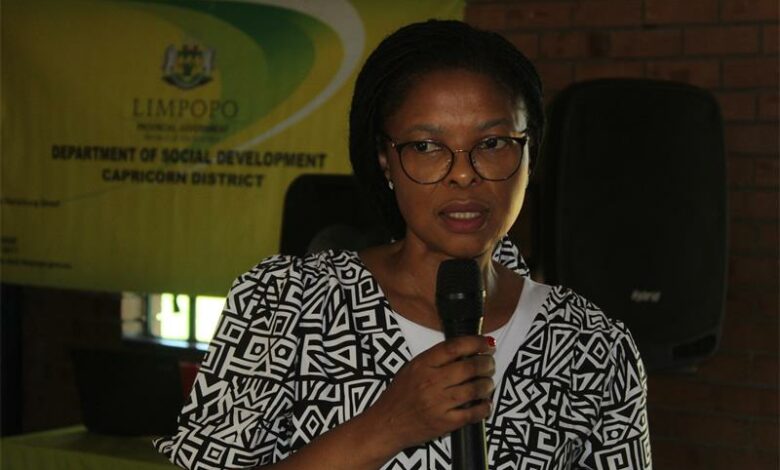
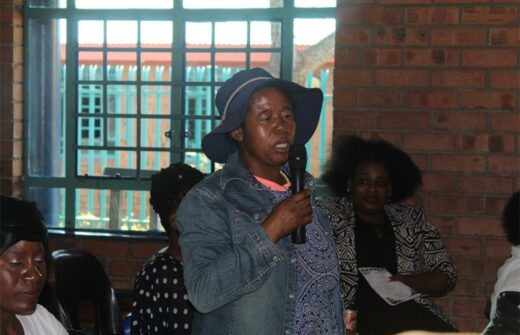
This heart-wrenching plea came from Lucy Ditlwana (not her real name), one of many concerned parents whose children have immersed themselves in acts of gangsterism, as she earnestly requested for prompt intervention for her 23-year-old son from the Department of Social Development. Its national office hosted an interactive dialogue on anti-gangsterism as a social ill, at its Secure Care Centre in Ladanna last Friday, for affected parents to share their experiences.
Multiple parents from Mankweng, Seshego and Polokwane faced similar situations as that of Ditlwana, who is from Westenburg.
You might also want to read: Community determined to continue the search and the fight against gangsterism in Seshego
Social work manager for Social Crime Prevention Unit at the national office, Linda Makhathini said children are recruited from as early as primary school level by friends and soon find them themselves in the world of crime. Some even go on to join gangs.
“Our previous recordings show that children carry weaponry objects, to protect themselves against bullies in schools. Gangs often get other children into the habit of carrying weapons for protection. It is also easier for children to get introduced to druglords and bigger gangs when they are grouped in this nature,” she said.
Makhathini advises that parents be intentional in searching their children’s bags, pockets and books for any suspicious signs or objects as they could very well form part of gangs’ recruitment strategies at a later stage.
“Sometimes, they write signs that would not make sense to you as a parent, but that are representative of these small groups in school, which are connected to bigger and more dangerous gangs,” she added.
Advice from officials of the department was for parents to be strict in instilling moral values in children, in especially the developmental stages between 0-6 years.

“Teach them about taking losses, resisting temptation, saying ‘please’ and ‘thank you’. They look like small lessons, but they help them to overcome peer pressure.”
The intervention reached Polokwane just days after two foreign nationals were arrested by local police for selling drugs to learners near the Flora Park dam.
Read more: Foreigners arrested for selling drugs to learners at Flora Park dam
Ude Chinedu (41) aand Thomas Papiki Nthobeng (44) were both remanded in custody and later appeared before two separate courts for bail applications on February 28. The initiative last week forms part of implementing the 2017 Anti-Gangsterism Strategy, under the 2023 theme: “Know the Early Signs and Take Steps to prevent gangsterism.”

This strategy also seeks among other things to; provide direct ways of dealing with children who are affected by gangs as well as threats and risk factors that cut across children and youth in Child and Youth Care Centres and communities at large.
Anyone who would like to report a social ill, is requested to call the crime stop number on 08600 10111 and request to be redirected to a social, safety or security department dealing with their individual issue.