
Prevent adult drownings with these swimming safety tips
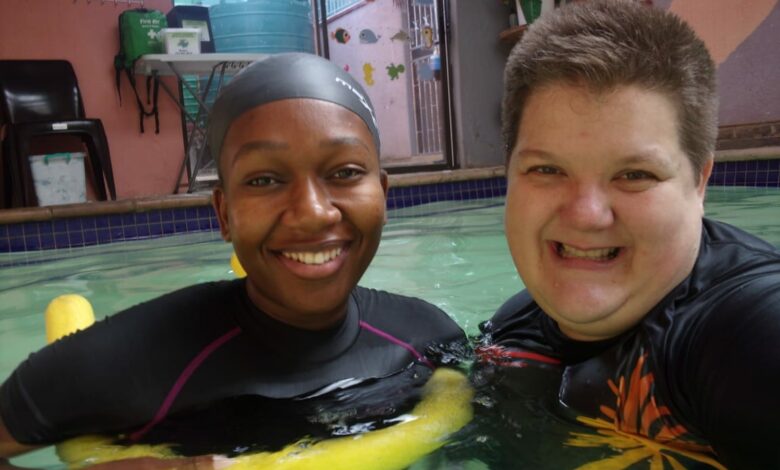
Lottie’s Lionfish Swimming School instructor Melani Lottrie says water safety is an important skill that not only children should learn, but also adults.
POLOKWANE – With the summer holidays ahead, many will be spending days in the swimming pool or at the beach.
The festive season is known for its high incidents of drowning among both children and adults.
With this in mind, the Polokwane Observer spoke to swimming instructor Melani Lottrie from Lottie’s Lionfish Swimming School about drowning among adults.
“Water safety is an important skill that not only children should learn, but also adults. Many adults do not know how to swim but will join friends and family in the pool. These adults partake in dangerous activities such as drinking alcohol in the pool. A combination of the hot sun all day, alcohol and sometimes even medication can have a negative influence on their health.”
Lottrie says the increased access to water, like when fishing, rowing, being on a small boat, ditches, ponds and pools, make drowning even more possible. That along with more water activities that take place in summer means more loss of life due to negligence.
“No one is drown-proof and it can happen fast and silently. Drowning does not always look like what you would expect and sometimes the only reference people have on how it looks is from television and in movies.
Risk factors for drowning include:
• Flood disasters that are becoming more frequent with heavy rainy days.
• The risks of natural water like rivers, oceans, dangerous currents and undertows, rocks or vegetation and limited visibility.
• Unsafe travelling across rivers if there is no bridge available.
• Medical conditions such as seizures or heart conditions.
Tips for preventing drowning:
• Learn how to swim, water safety and rescue skills.
• Learn how to do CPR.
• Learn the basics of life-saving skills like floating or moving through water.
• Cover wells and ponds.
• Put a fence around the pool with a gate that self-latch, and keep it separate from the house, if possible.
• Have control access to water.
• Wear life jackets around rivers and oceans even if you know how to swim.
• Stay vigilant around all different types of water areas.
• Make use of a buddy system where you must never swim alone.
• Do not drink and swim, alcohol increases your risk of drowning.
• When swimming in unfamiliar water always enter feet first.
• Check the weather forecast before you participate in water activities. Weather conditions can change quickly and can cause flash floods, strong winds and thunderstorms with lightning strikes.
• Take extra precautions if you have medical conditions.