
Child abuse? A teacher can help
For a child to tell someone about abuse can be a very daunting and traumatic experience, one that must be handled with sensitivity.
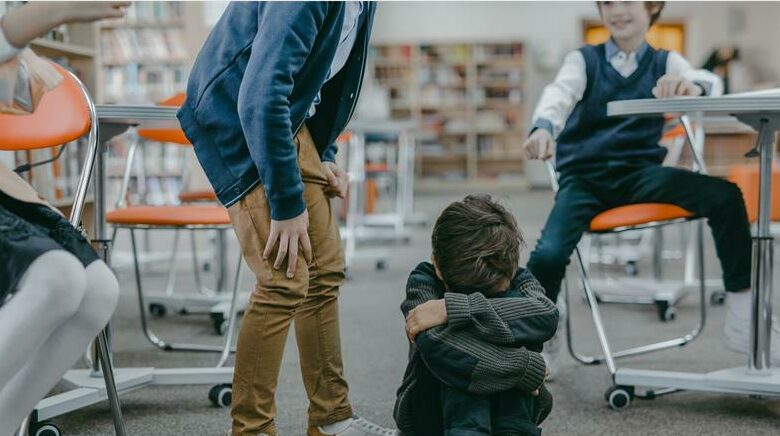
POLOKWANE – It is evident that children spend most of their time in the presence of their friends and teachers. This means that a child would much rather confide in their teacher about what might bother them. This includes physical, mental or sexual abuse aswell as deliberate neglect.
Section 110 of the Children’s Act indicates that it is mandatory to report abuse.
Reporting must be done:
– In good faith.
– Without any malicious or spiteful intent.
– It must be based on facts and not mere speculation, take into account the indicators of abuse and give regard to the child in his context.
For a child to tell someone about abuse can be a very daunting and traumatic experience, one that must be handled with sensitivity.

Photo: Pixabay
One must report the matter to the police, the Department of Social Development or a child protection organisation or a social worker.
When a teacher suspects child abuse they should:
• Gather information about the suspicions without implicating any person. This can be days absent, the physical appearance of the child, any apparent injuries and the presence of any indicators signifying abuse.
• Document information in a separate file.
• Treat information as highly confidential.
• Discuss suspicions with the school counsellor and principal.
• Consult the list of criteria before making allegations.
• Remain objective at all times and do not allow personal matters, feelings or preconceptions to cloud your judgement.
• Determine whether there are reasonable grounds to suspect child abuse.
Thereafter they should:
• Believe the child.
• Thank the child for having the courage to talk to you.
• Assure that the abuse was not their fault.
• Explain the concept of confidentiality and that sexual abuse, physical abuse and deliberate neglect must be reported to protect them. Address the child’s concerns, recognise and be sensitive to the child’s feelings.
• Write down what the child discussed in as much detail as possible.
• Inform the school principal and school counsellor.
• Contact the relevant role players depending on the severity of the offence disclosed.
• Have the following information available when reporting:
– The child’s name and surname.
– Age (ID number or date of birth).
– Physical address.
– Contact details.
– Information of the parents or caregivers.
– A written statement containing the information disclosed by the child.
• Meet with the relevant role players.
• Maintain confidentiality.
• Follow up with the role players.
• Monitor the child’s emotional, mental and physical health and request professional assistance if required.

Photo: Pixabay
They should not:
• Ask the child leading questions.
• Investigate the abuse.
• Confront the abuser.
• Overreact.
• Make promises that you can not keep.
• Bad-mouth the abuser.
• Openly discuss the matter with someone else.
• Have numerous staff members interrogate the child as it will contaminate information.
• Turn a blind eye.
Where can they report it:
Important numbers:
• Police FCS Unit: 083 350 3763 or 015 290 6180.
• Department of Social Development: 015 230 4300.
• Childline: 0800 055 055.
• SAVF: 015 295 9077.
• Polokwane Child and Family Welfare: 015 297 3326.
• Rethabile Clinic: 015 297 7025.
• Pietersburg Maatskaplike Dienste: 015 295 9053.
• Dr Johannalie Knoetze (clinical social worker): 084 329 4541.
Read more in this week’s Review.