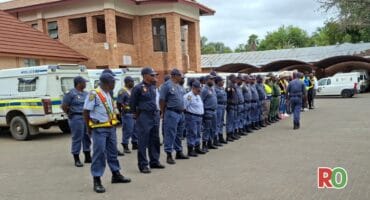
Mokopane groups join June 30 protests
Mokopane groups joined nationwide protests against undocumented foreign nationals on Tuesday, calling for stricter border controls and enforcement.

MOKOPANE – The country experienced demonstrations across parts of South Africa on Tuesday as groups protesting against undocumented foreign nationals called for stricter immigration enforcement and greater economic opportunities for citizens.
While some organisers referred to the action as a “national shutdown”, government maintained that June 30 was a normal working day and warned that acts of violence, vigilantism, intimidation and damage to property would not be tolerated.
Limpopo Community First joins the protests
Among the organisations participating was Limpopo Community First, whose members prepared for a march aimed at promoting equal business opportunities for local entrepreneurs and raising concerns about undocumented foreign nationals operating businesses in the province.
Secretary Kgosi Morena said the organisation works with various stakeholders to advocate for greater economic opportunities for local businesses, hawkers and entrepreneurs.
“The protests are primarily driven by concerns over undocumented foreign nationals and the need for government to enforce immigration laws,” Morena said.
According to Morena, demonstrators are calling for:
- Stricter border controls
- Increased immigration enforcement
- Stronger action by the Department of Home Affairs against undocumented foreign nationals
The organisation also wants authorities to investigate businesses allegedly operated by undocumented immigrants and to take action where immigration or other laws are being violated.
Previous concerns raised
Morena said Limpopo Community First previously raised these concerns with government and intended using the march earlier this week to reinforce its demands.
“The organisation plans to develop an evaluation programme after the march to monitor progress on the issues it has raised,” he said.
At the time of publication, government had not formally responded to the organisation’s specific demands.