
Why local journalism means showing up twice
On World News Day, Koketšo Sekhwela, a Review Online journalist, reflects on why following up on a story mattered more than the headline.
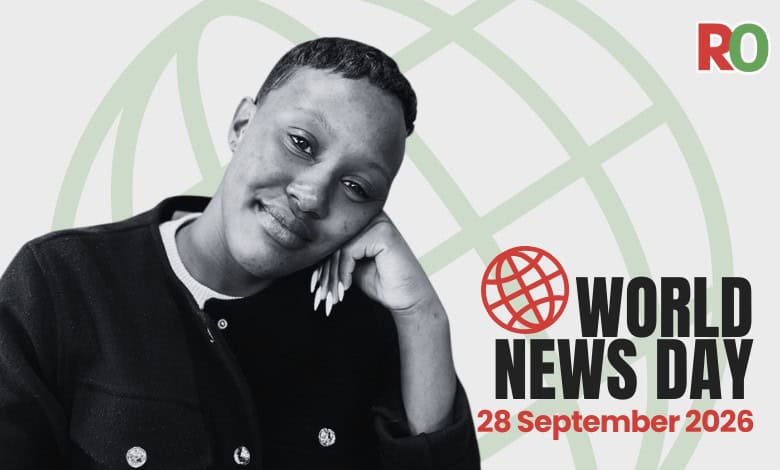
POLOKWANE – For me, local journalism is not merely about the headlines. It is about the lives of ordinary people in the community.
I believe that telling someone’s story well means making sure the person feels heard, while also ensuring that readers receive an accurate picture of what happened.
That principle guided my coverage of the Flora Park fire in May 2026.
The initial story
The first story, published on May 23, reported that a family on Cohen Street had lost their home and decades of possessions while attending church.
Neighbours and an e-hailing driver said calls to the municipal fire department went unanswered for more than 40 minutes. Retired professor Rachidi Molapo said much of the damage could have been prevented. Only a bicycle and a lawnmower were saved.
Going back
Rather than stop at the initial report, I went back.
I returned to Flora Park to sit with the Molapo family among the ruins, to verify witness accounts, and to understand the context. Their insurance had lapsed, a mechanic had stayed behind to work on a car, and police had to be called to alert firefighters.
I then held the municipality accountable, asking for call logs, response times and reasons for the delay.
From allegation to accountability
That follow-up, published in the Polokwane Observer on September 10, moved the story from allegation to accountability. It gave the municipality space to respond, it clarified systemic issues in the emergency call centre, and it tracked what happened to the family after the fire.
They were forced to rent rooms next door while still guarding the burnt house.
Read the full story for yourself here.
Showing up twice
Being present in the community mattered. It meant not leaving the family as a one-day tragedy, but as neighbours whose trust had to be earned twice. Once when they shared their loss, and again when I came back to tell what changed.
I stand proudly as a journalist that chooses to follow up, not just publish.
As we mark World News Day 2026 under the global theme ‘Choose Truth’, the Polokwane Review-Observer stands proudly as part of the Caxton network, representing credible, independent journalism across South Africa. In partnership with international organisations like WAN-IFRA, we remain dedicated to protecting information integrity and ensuring that our community receives news grounded in verified facts.
Trust is not manufactured; it is earned through accountable, boots-on-the-ground reporting. Thank you for supporting local journalism and choosing truth every day.