
A pH balanced diet: how to eat for better health
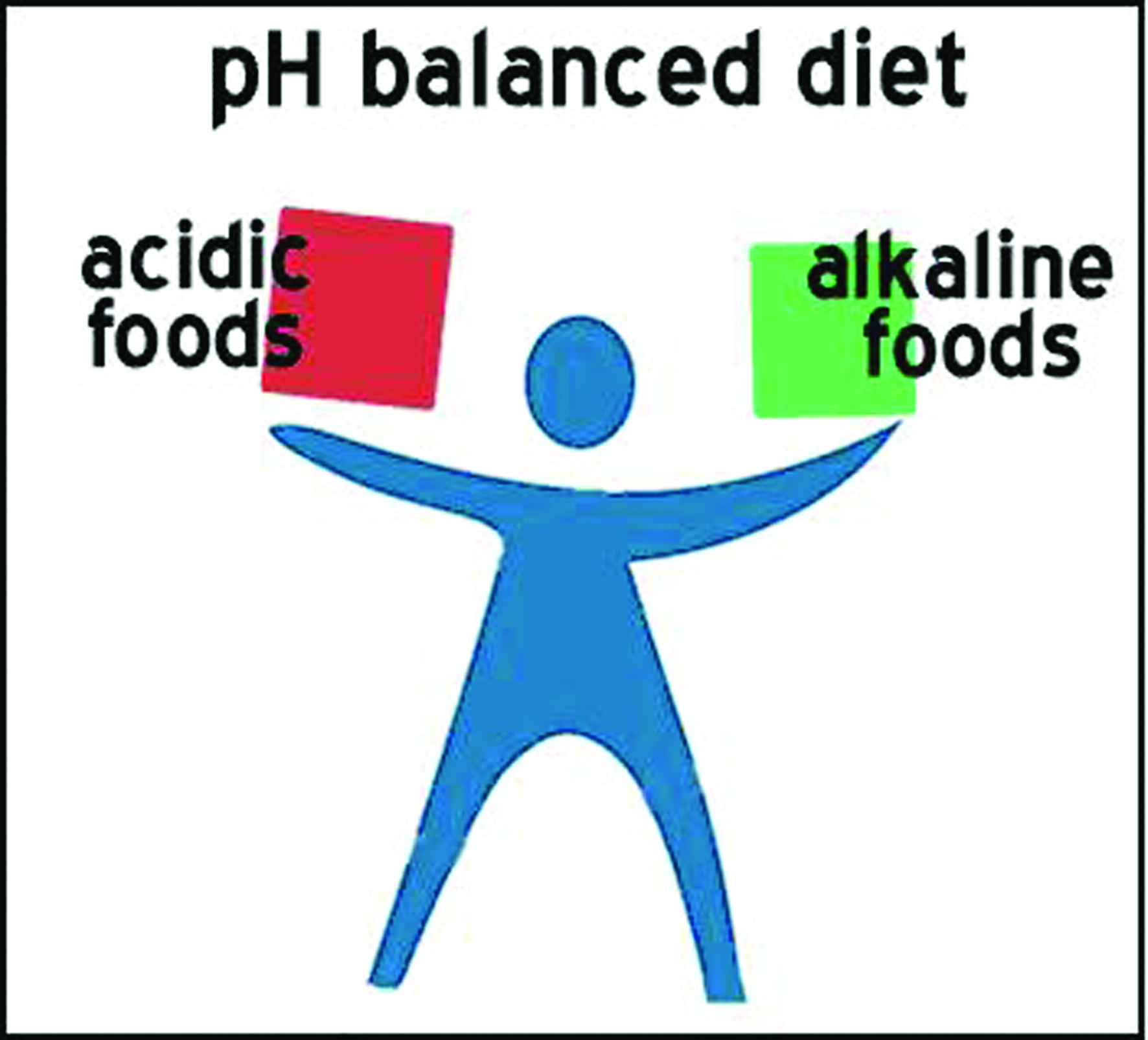
A meal should never consist solely of acidic foods but should always include alkaline foods
stage 1
Eight rules for pH balanced diet
stage 2
A meal should never consist solely of acidic foods but should always include alkaline foods
This rule involves acid rather than acidifying foods. Eating fruits and yogurt exclusively or drinking only whey-based be-verages is strongly discouraged, as the acid intake from such a diet is not compensated by any alkaline foods.
It forces the body to draw these substances from its own tissues. Alkaline foods that are good accompaniments to fresh fruits are fresh, unripened cheeses, soft white cheese like large-curd cottage cheese, low-fat cream cheese, ricotta, quark, mozzarella, farmer cheese, fresh goat cheese, yogurt cheese, cream, almonds, bananas, sa-lad greens, or a blend of raw fruits and vegetables.
The quantities of acidic and acidifying foods that a person eats should be tailored to meet their personal metabolic capabilities.
Each person has a certain rate at which they can metabolise acid properly, a rate that cannot be surpassed without overtaxing the body’s capacity.
As long as the quantity of acids ingested or created by the digestion of food is below these rates, the body manages to neutralise them through oxidation before any of the health problems created by acidification can manifest.
Acidic foods should not be eaten too quickly
An individual with an inability to metabolise acids properly, but with a normal acid-alkaline balance, can generally handle a sudden increase in acid intake by drawing from the body’s reserves, provided that this kind of event is the exception and not the rule.
In fact, if the withdrawal of alkaline substances from the body’s reserves is a unique event, the acid-alkaline balance is not endangered, and no acidification problem will occur.
Acidic foods must be eaten when the body is ready
Fruit is harmful in the morning and more beneficial at noon or in the evening. The reason for this is that, by noon, the body’s “organic motor” has had the time to warm up and is turning over naturally.
Lizél Britz: 072 243 7707