
Renovate or move?
It's time to make a decision; do you add on to the home you are in or buy another property that better suits your needs?
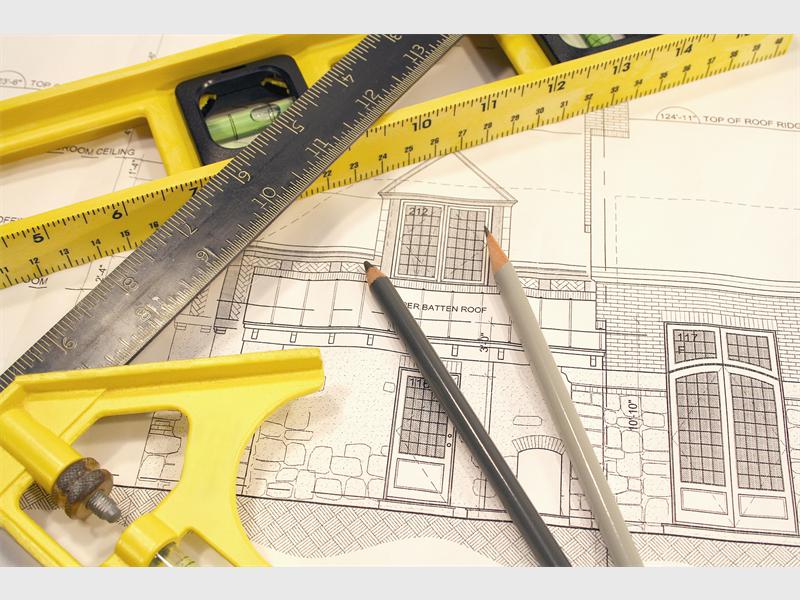
YOU have lived in a home for a few years, love the area and are happy with where you are, but the home no longer meets the requirements of a growing family.
It’s time to make a decision; do you add on to the home you are in or buy another property that better suits your needs?
According to Adrian Goslett, the CEO of RE/MAX of Southern Africa, the decision to move or renovate is one that many South African homeowners will face at some stage in their lives.
He notes that it is a decision that will largely be determined by various factors such as whether the home has the necessary space for additional rooms needed to accommodate the family’s changing situation. There is also the question of affordability and which choice makes the most financial sense for the homeowner’s pocket.
“There is no right answer to the question as the deciding factors will be unique to the individuals and their specific situation, for each homeowner the choice will have to fit their lifestyle and circumstances. Many homeowners aim to remain in their home for a very long time and therefore purchase a property that they will be able to alter as their budget allows or their needs change.
“While other buyers purchase a home that is right for them at the time, but know that as soon as their situation changes they will have to relocate,” says Goslett.
There are advantages and disadvantages to either option, but there are steps that homeowners can follow to assist them in making the decision a slightly easier one.
“The initial step is for the homeowner to determine the value of their property, along with the estimated cost of the required renovation project,” says Goslett.
“It is important that the homeowner factors in all costs involved in the project such as the materials and the labour costs of the contractor. Homeowners will need to bear in mind that where projects affect the structure of the home they will be required to get a building inspector to sign off on the plans before ground is broken,” says Goslett.
He notes that as a rule it is advisable to add an additional 10% to the renovation costs to cover any unexpected issues that may occur during construction.
Once an estimate has been determined, the homeowner will be able to compare the cost of the renovation versus properties that they would be able to purchase by adding that amount to their existing bond amount. Depending on how long the homeowner has lived in their current property, the market and the home’s appreciation, they may have also built up equity that could be used towards the purchase of a larger property.
“It may be possible for a homeowner to find a property that meets their needs and some added extras such as an additional room, a double garage or proximity to good schools. Of course, there is the alternative that they don’t find anything within their price range, which points to the fact that it would be more feasible to undertake the renovation project. One way or the other, comparing apples with apples will help make the homeowner’s decision easier,” says Goslett.