Sectional title ownership
Potential buyers of sectional title property should weigh up all the pros and cons first and ascertain whether this lifestyle is best for them
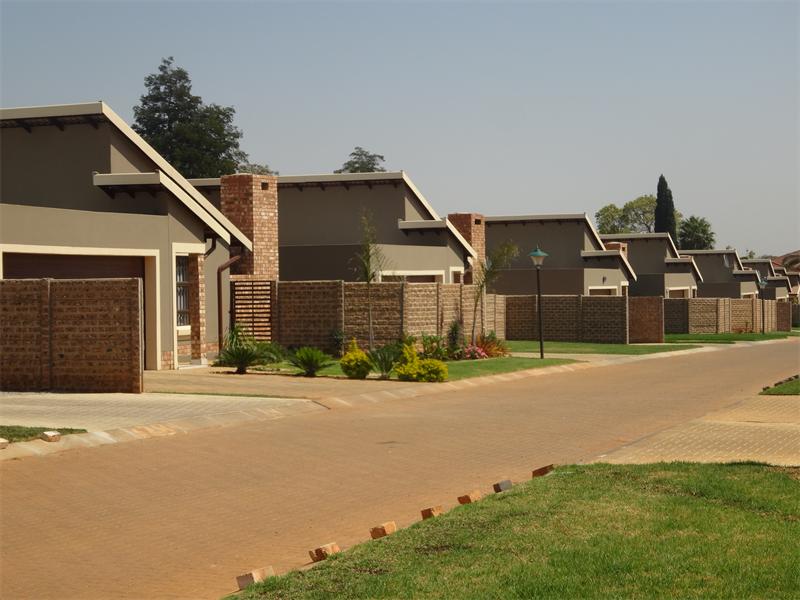
Potential buyers of sectional title property should weigh up all the pros and cons first and ascertain whether this lifestyle is best for them, as it doesn’t always suit everyone, says Willem le Roux, director at the sectional title finance company, Propell.
Understanding fully what is being bought into is the first step to deciding whether to buy a unit in a sectional title scheme. When buying, the buyer pays for a section (or sections) of the development as well as a share of the common property.
Types of sectional title schemes include townhouses, apartments, semi-detached homes or duets. The exterior of the building is common property, which means the body corporate is responsible for maintaining the roof and painting the outside walls.
Other common property would include parking areas, perimeter walls, roads, green belt or park areas, tennis courts, swimming pools and recreation areas. Some parts of the common property may be for the exclusive use of specific owners, which include balconies, garages, private gardens and storerooms.
While the buyer will not own his exclusive use area, he has sole right to its use and will pay a contribution towards the direct costs associated with this area.
What are the advantages?
The advantages of living in a sectional title scheme are many, says Le Roux, possibly the most important being the sharing of major costs of upkeep to the building/s and the sharing of municipal costs – with access to many amenities that the buyer may not be able to afford if he had bought a freestanding unit.
In addition, the body corporate will take care of building insurance, wages of cleaners and gardeners, administration and security as these are all included in the monthly levy payments from each owner.