
Five tips to help you protect your property
There are a number of ways in which homeowners can increase their home's security and deter criminals, such as the following:
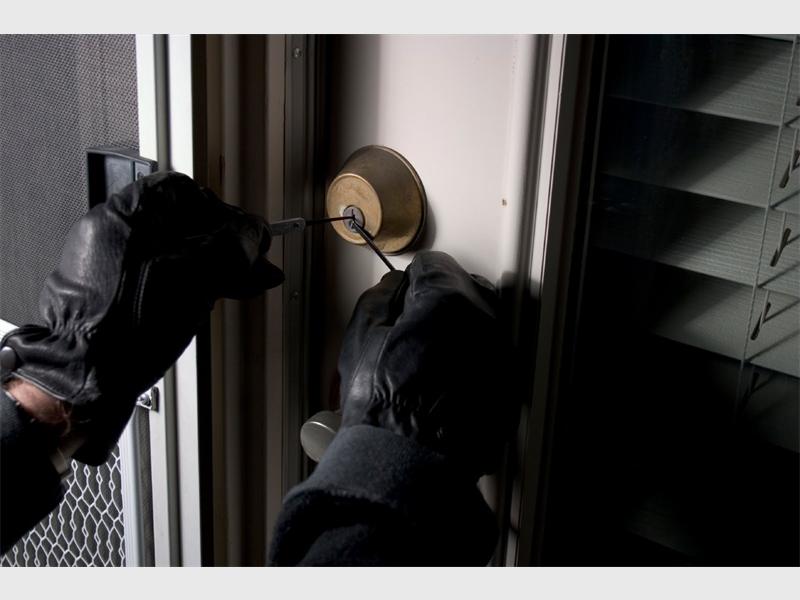
There is little doubt that South Africa is among the most beautiful countries in the world, with an array of incredible things to offer such as great weather, oceans, mountains, forests and many interesting people and cultures.
“We as South Africans are privileged to be able to call this unique and diverse country our home,” says Adrian Goslett, Regional Director and Chief Executive Officer of RE/MAX of Southern Africa. “Unfortunately there is one negative aspect that plagues so many living in this country and that is the high crime rate.”
He says the reality is many people living in South Africa either know someone who has been affected by crime or have been victims of crime themselves.
“With the high levels of crime experienced in this country, South African homebuyers are some of the most security conscious in the world,” says Goslett. “In fact, security has become a major determining factor in where people choose to purchase their homes. As a result, properties with top-end security features or those located in security estates are highly sought-after and often fetch a higher price than other types of property.”
According to Goslett, while homes within security estates generally provide a greater return on investment over the long-term, these kinds of homes are not affordable to everyone.
However, this does not mean that homeowners have to compromise on their safety and become soft targets.
He notes that there are a number of ways in which homeowners can increase their home’s security and deter criminals, such as the following:
1. Make it as difficult as possible for criminals to break into your home.
Intruders will generally target homes they perceive as easy targets. The more time it will take to break into a property, the less likely it will happen. “It is best not to leave anything lying around that could help intruders break into your home, such as ladders or gardening tools. It is also a good idea to keep foliage and shrubs cut to eliminate areas where intruders can hide. If there are no lights near the entrance areas of the property, putting up lights will make these areas more visible and aid in deterring intruders,” advises Goslett.
He adds that entry points such as garage doors should be locked at all times, even if your car is not parked inside. The garage is an area of the home where intruders know they can find items that will help them gain entrance to the home. “While not all homeowners will have the facilities, a trained guard-dog is an excellent deterrent and household companion. It is vital that homeowners tell their children and domestic workers to identify people before allowing them access to the home,” says Goslett.
2. Visible and physical barriers. Experts say the best form of deterrent is a visible, physical barrier, such as a palisade fence or a good quality electric fence around the perimeter of the property. As a precautionary measure, Goslett says homeowners can use motion sensors and beams to provide back-up to the primary physical barrier. All security barriers and entry points should be connected to an alarm system as an early detection device.
3. Don’t let people know when you plan on going away on a trip. Most intruders want to avoid confrontation and would rather break into a property while the occupants are not home.
“Homeowners who are going away on holiday should avoid leaving any tell-tale signs that no one is home, such as uncollected post or newspapers. An unoccupied home makes it easier for criminals to get in-and-out of the house,” says Goslett. “Timers on the lighting inside and outside the home will give the appearance that people are present. Provided it is safe to do so, a car can be parked in the property where it is visible, which will also give the impression that someone is home.”
If homeowners are at home, that should ensure that they always answer the door. On occasion, criminals will check to see if the occupants of a property are there by ringing the bell – so never ignore it, irrespective of the time of day or night. If it goes unanswered, it could be seen as an invitation to an unwelcome home invasion. If your intercom does not work, remove or repair it as soon as possible.
4. Don’t leave your keys in the usual places. According to crime reports, criminals steal vehicles along with household contents. In order to avoid this, any vehicle keys or spare keys should be hidden or kept in an unusual place – especially if the home’s occupants are away on holiday. “Although it is convenient, it is best not have keys on key hooks or counters where they are easily seen, but rather put them out of sight and in a safe place,” advises Goslett.
5. Get invloved in the community. A great way to get to know your neighbours and assist in keeping the community safe is by joining the local community policing forum or neighbourhood watch. In these organisations time and responsibility is shared among residents to keep the community safe from criminal activity.
“It is better to prevent criminal activity from affecting your home, rather than dealing with the aftermath. While it may be difficult to completely ensure that a home is never broken into, taking the necessary precautions is the right step toward making the home and its occupants as safe as possible ,” Goslett concludes.