The question on everyone’s mind about sewage.
How dangerous is sewage?
Lately we’ve been having a lot of problems regarding sewage in the Govan Mbeki Municipal area, and people are concerned over what impact is has on the environment, as well as their health.
Sewage is waste water that can be hazardous to the environment, which is why we don’t want raw sewage to get into the groundwater or other bodies of water such as rivers, dams and reservoirs.
Besides the bad smell of overflowing sewage drains, sewage that gets into the drinking water supply, dams or even the sea, can do severe damage to almost every element in the eco system.
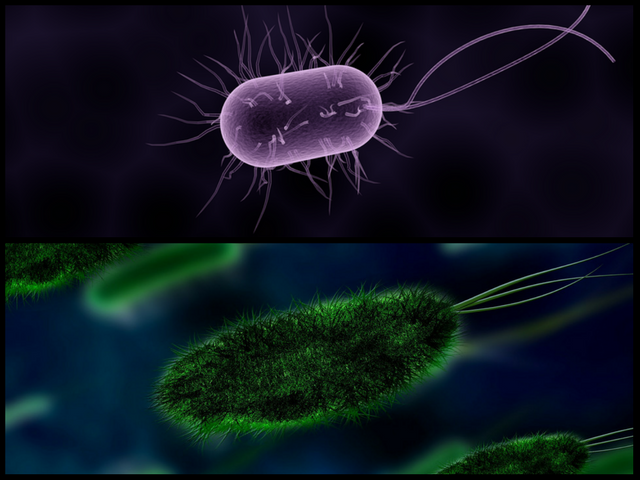
If the water that we drink gets contaminated by sewage, like human waste, harmful and potentially deadly bacteria infects the water supply and this becomes a serious health hazard.
Also read: eMbalenhle residents say they are contracting sewage-related diseases
How can you contract an illness from sewage?
The most common way to get an illness from sewage is by hand-to-mouth contact during eating, drinking and smoking. You can also get an illness by wiping your face with contaminated hands or gloves. While unpleasant sounding, you may also accidently lick splashes from the skin and get infected by that matter. Diseases and illness can also be contracted by skin contact through cuts, scratches, or penetrating wounds. Certain organisms can enter the body through the surfaces of the eyes, nose and mouth.
While the risk of getting sewage-related disease is relatively low, you should always take the right precautions to keep your health and the health of others safe when you have a sewage backup. There are various diseases and illnesses that you could get from sewage, especially if you come in contact with it orally. Here is a list of potential diseases/illnesses you can get from sewage-contaminated water.
Gastro-enteritis
Also known as “stomach flu”, it is the most commonly reported illness associated with oral exposure to contaminated water. Gastro-enteritis is an infection of the gastrointestinal tract, inflammation of the stomach and intestines and typically causes stomach cramps, diarrhoea and vomiting.
Avoiding contaminated food and water and washing hands can often help prevent infection. Rest and rehydration are the mainstays of treatment.
The following is a list of some disease-causing organisms that can be transmitted by contact with flood water or sewage: Campylobacteriosis, Giardia, Solmonella, Cryptosporidium, E. Coli, Hepatitis A and Shigella.
Make sure you throw away items that have been contaminated with sewage and cannot be disinfected properly like stuffed animals, food and water.