
[Health Alert] Cases of whooping cough increase in Mpumalanga
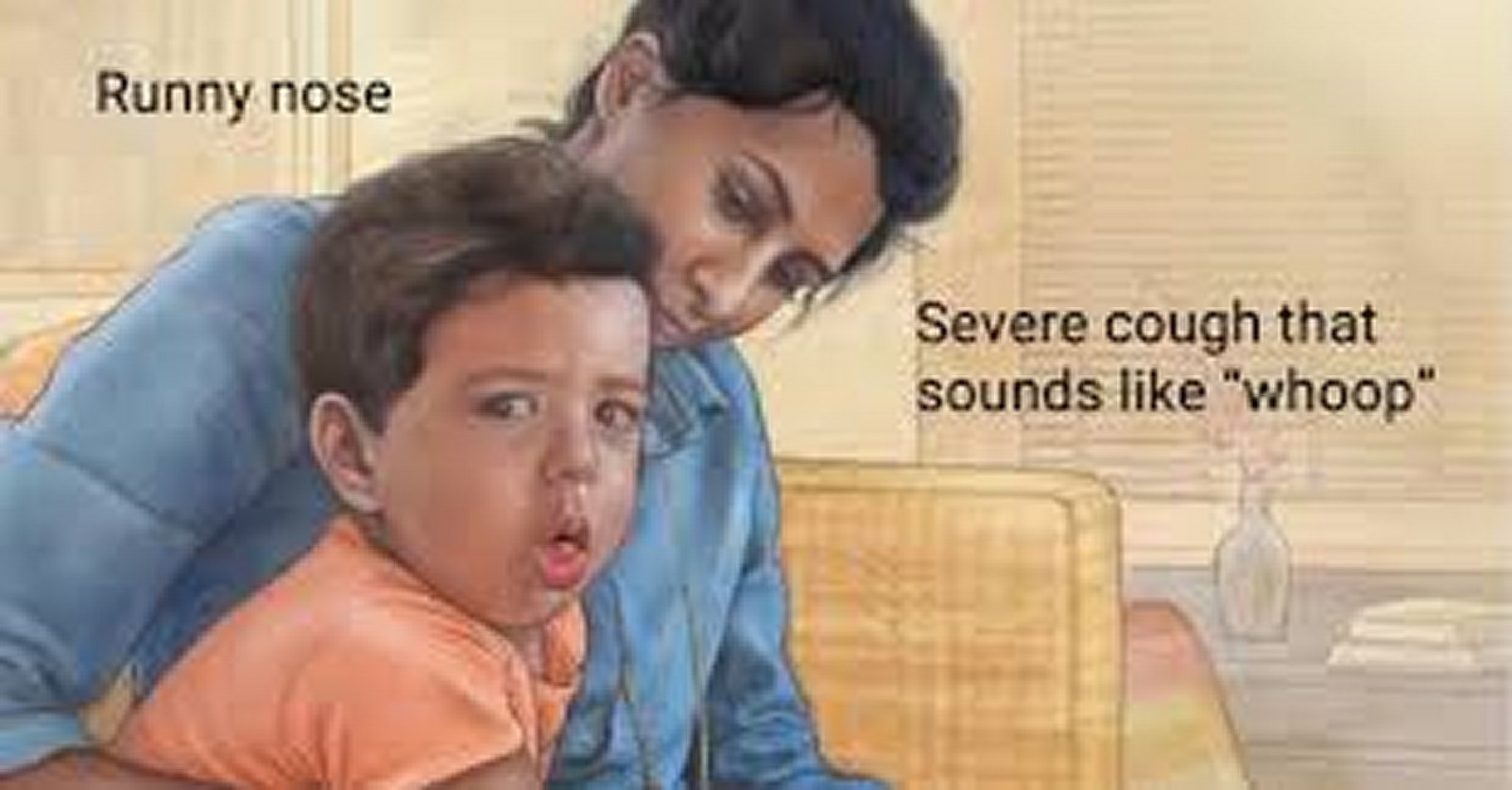
Initial signs and symptom are similar to the common cold and may include nasal congestion, a runny nose, mild sore throat, mild dry cough and minimal or no fever.
HIGHVELD – The Mpumalanga Department of Health has observed an increase in Pertussis, commonly known as whooping cough, among children younger than five years, and particularly among little ones younger than a year old.
Mr Mandla Zwane, director of communicable diseases, said in a media statement on 29 August, that the Department of Health has reported 13 cases across the province to date.
Pertussis is a highly contagious illness and vaccine-preventable disease caused by a germ known as Bordella Pertussis.
The disease is spread when a person with Pertussis sneezes, coughs or breathes. The germs that cause Pertussis live in a sick person’s nose, mouth and throat, and are found in droplets of mucous or saliva. A person can get Pertussis when droplets from the sick person get into the mouth, nose or eyes.
Initial signs and symptom are similar to the common cold and may include nasal congestion, a runny nose, mild sore throat, mild dry cough and minimal or no fever.
Days later, the cough can become more severe and is characterised by episodes of paroxysms, severe attacks of coughing, followed by a whooping sound and or vomiting after coughing.
Paroxysmal cough may last one to two months.
Mr Zwane said adolescents and adults who have been vaccinated previously may also get it, with minimal symptoms such as a sore throat or a persistent cough.
The public is advised to be on high alert when anyone or a child is experiencing or developing cold-like symptoms including coughing and a runny nose, to immediately consult the nearest health facility to get medical help.
Anyone who has been diagnosed with Pertussis by a doctor or health care facility should avoid mixing with other people, especially infants and pregnant women, to prevent the further spread of the disease.